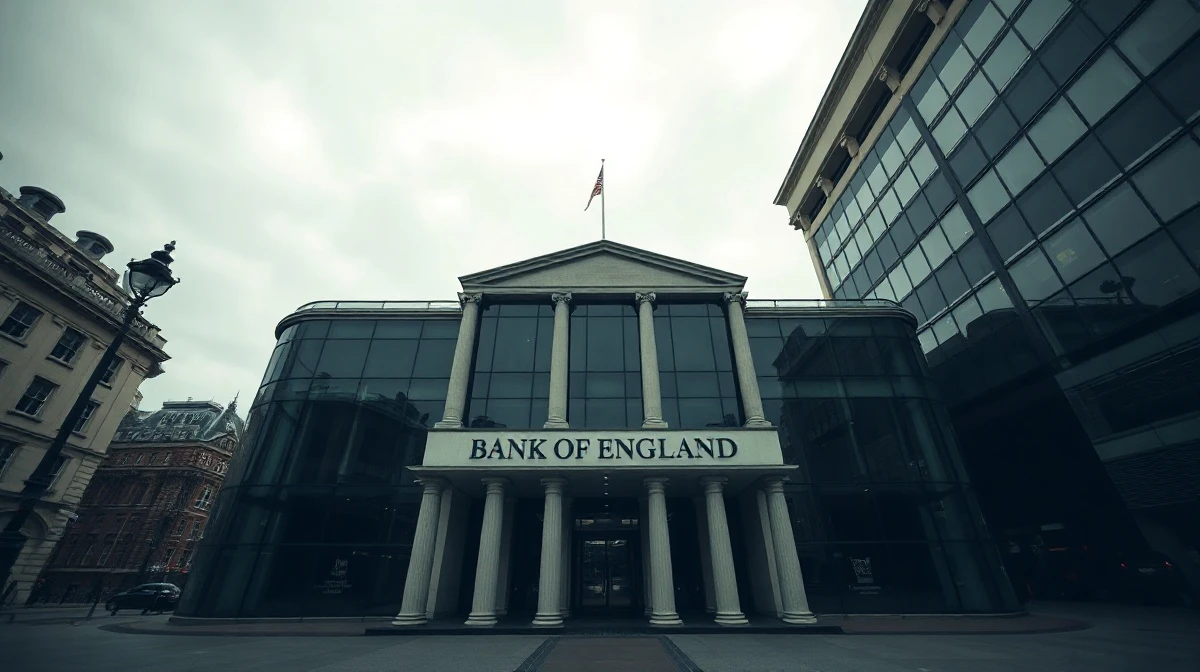
The Bank of England is widely expected to keep its benchmark interest rate unchanged at 4.75% when its Monetary Policy Committee concludes its two-day meeting on Thursday, even as economists remain sharply divided over the timing of the next move.
All 65 economists polled by Reuters between December 6 and 11 forecast that the BoE will hold rates steady this week, according to the RTRS report. However, the consensus breaks down when looking further ahead: a narrow majority of 34 expect the first quarter-point cut to come in February 2025, while 29 predict a move later in the year, and two see no change before 2026.
Also read: China's mixed May data keeps recovery uneven, Standard Chartered says
Sticky inflation keeps the MPC cautious
The BoE cut rates twice in 2024 — in August and November — bringing the benchmark down from a 16-year high of 5.25%. But progress on inflation has stalled. UK CPI inflation rose to 2.3% in October, above the BoE’s 2% target, and services inflation — a key gauge of domestic price pressures — remained elevated at 5.0%.
Governor Andrew Bailey has repeatedly stressed a “gradual” approach to easing, warning that the MPC needs to see more evidence that underlying inflationary pressures are sustainably abating. The November Monetary Policy Report projected inflation would tick up to around 2.5% in the near term before gradually falling back to target.
Also read: Gold prices tumble as Trump strike threat sends oil, yields soaring
Wage growth and fiscal uncertainty complicate the outlook
Recent data on the labour market has added to the hawkish case. Average weekly earnings excluding bonuses rose 5.2% in the three months to October, well above the pace the BoE considers consistent with the inflation target. The Office for National Statistics also reported that the employment rate edged higher, suggesting the labour market remains tighter than previously thought.
The new Labour government’s first budget, delivered by Chancellor Rachel Reeves on October 30, introduced higher employer National Insurance contributions and an increase in the national living wage. Several MPC members have flagged that these measures could feed through into higher prices or slower growth, adding another layer of uncertainty to the rate path.
Market pricing and the split vote
Financial markets are pricing in roughly three quarter-point cuts over the course of 2025, implying a year-end rate of around 4%. But the MPC’s internal divisions could produce a split vote this week. At the November meeting, three of the nine members voted for a larger half-point cut, while one dissented in favour of holding steady. The December decision may see a similar range of views, though the majority is expected to back a hold.
Investors will scrutinise the accompanying statement and the minutes for any shift in language. If the committee signals greater concern about growth — the UK economy stagnated in the third quarter — that could open the door to a February cut. Conversely, any hawkish language about persistent services inflation would push expectations further into 2025.
The BoE’s decision is due at 12:00 GMT on Thursday, followed by Bailey’s press conference at 12:30 GMT.