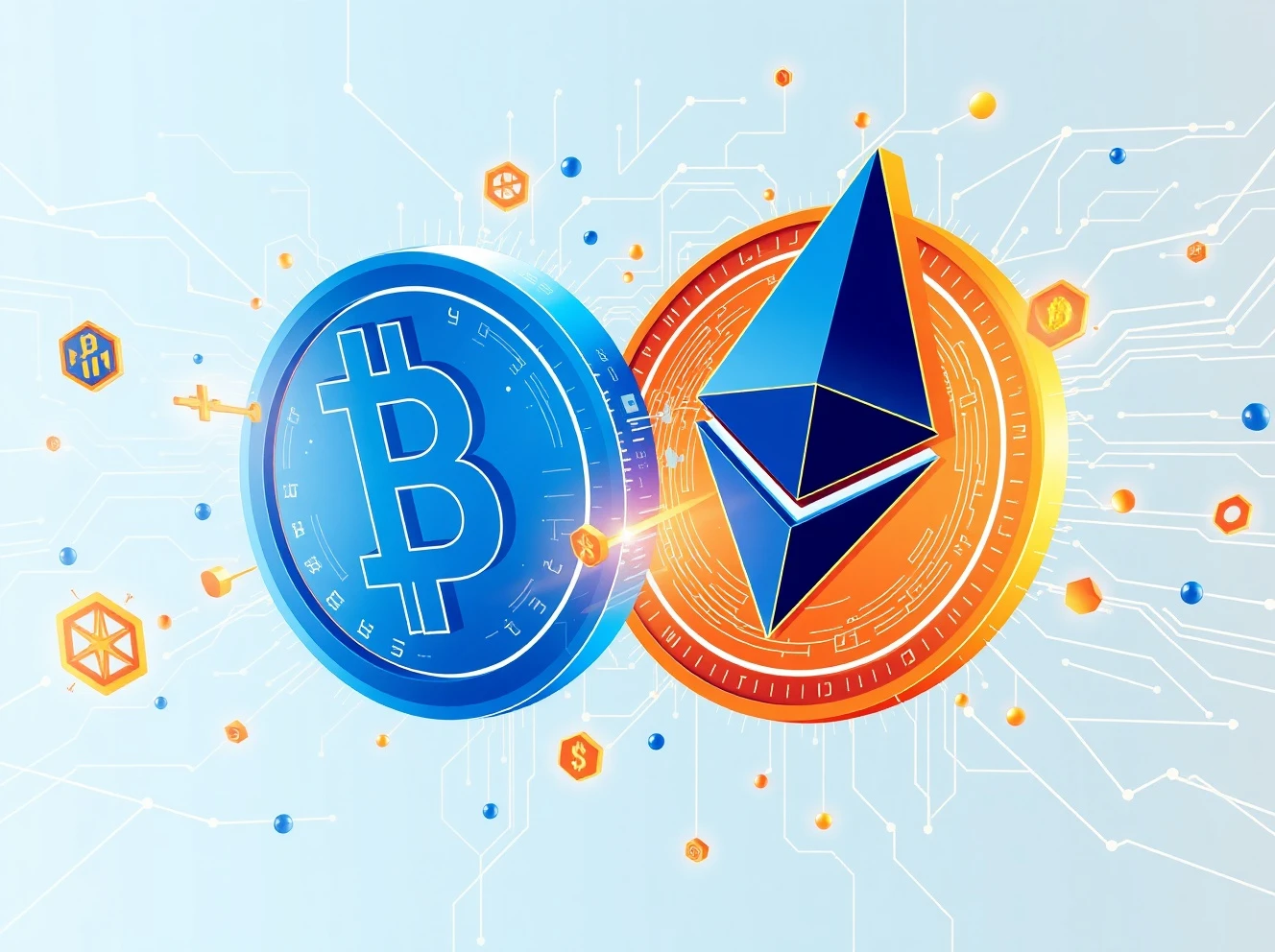
The cryptocurrency environment is witnessing a monumental shift as BRC2.0 emerges, fundamentally transforming Bitcoin into a powerful platform for Bitcoin-native DeFi applications. This innovative upgrade represents the most significant evolution in Bitcoin’s capabilities since its inception.
Understanding the BRC2.0 Revolution
BRC2.0 marks a standard shift in Bitcoin’s functionality. The upgrade integrates Ethereum Virtual Machine compatibility directly into Bitcoin’s base layer. Consequently, developers can now deploy sophisticated smart contracts without relying on external bridges. This integration creates rare opportunities for Bitcoin-native DeFi ecosystems.
Technical Breakthrough: EVM Integration
The core innovation lies in Bitcoin’s indexers becoming Turing-complete execution environments. These systems now process smart contract logic while maintaining Bitcoin’s legendary security. Furthermore, the upgrade maintains full backward compatibility with existing BRC20 tokens.
- EVM functionality enables complex financial operations
- Native execution eliminates intermediary risks
- Cost efficiency surpasses Ethereum’s gas fee structure
- Smooth transition for current BRC20 token holders
Ecosystem Development and Adoption
Major players like UniSat have rapidly embraced BRC2.0 technology. Their extension wallet now supports advanced features including one-step transfers and airdrop capabilities. Over twenty development teams are currently building innovative solutions on this new framework.
Also read: Bitcoin's Ultimate Floor: K33 Research Puts $60,000 as Key Support Level
Investment Opportunities in Bitcoin-Native DeFi
The emergence of Bitcoin-native DeFi creates three primary investment categories. Infrastructure providers offer essential wallet and indexing services. Protocol developers build automated market makers and lending platforms. Additionally, interoperability tools enable cross-chain functionality between networks.
Market Impact and Future Projections
BRC2.0 positions Bitcoin as a serious competitor in the decentralized finance space. With over $3 billion in historical BRC20 transactions, the upgrade promises exponential growth. The modular architecture encourages community-driven innovation while reducing centralized dependencies.
Frequently Asked Questions
What exactly is BRC2.0?
BRC2.0 represents a major protocol upgrade that integrates Ethereum Virtual Machine functionality into Bitcoin’s BRC20 token standard, enabling smart contracts and complex financial applications directly on Bitcoin’s base layer.
How does BRC2.0 differ from previous Bitcoin upgrades?
Unlike previous solutions requiring sidechains or bridges, BRC2.0 enables Ethereum-style programmability natively on Bitcoin’s main chain while maintaining full backward compatibility with existing tokens.
What types of applications can developers build with BRC2.0?
Developers can create decentralized exchanges, lending protocols, stablecoins, and automated market makers—essentially replicating Ethereum’s DeFi ecosystem but with Bitcoin’s security foundation.
Is BRC2.0 compatible with existing BRC20 tokens?
Yes, the upgrade maintains complete backward compatibility, allowing existing BRC20 tokens to function normally while gaining access to new programmable features.
What are the main advantages of Bitcoin-native DeFi over Ethereum DeFi?
Bitcoin-native DeFi offers superior security through Bitcoin’s sturdy consensus mechanism, lower transaction costs, and eliminates bridge-related risks associated with cross-chain operations.
How can users participate in the BRC2.0 ecosystem?
Users can participate through compatible wallets like UniSat, engage with emerging DeFi protocols, and utilize developer tools for creating new applications on the BRC2.0 framework.