The price of Bitcoin rose sharply on Wednesday as the U.S. House Financial Services Committee began its markup of the CLARITY Act, a comprehensive digital asset regulatory framework. The move has reignited debate among traders and analysts: is this the beginning of a sustained rally, or a bull trap that will fade once the legislative dust settles?
What Is the CLARITY Act?
The CLARITY Act, short for the “Cryptocurrency Legal Advancement and Regulatory Integrity for Transactions Act,” is a bipartisan bill aimed at providing clear legal definitions for digital assets, clarifying which federal agencies have jurisdiction over crypto markets, and establishing consumer protection standards. The markup process, where committee members debate and amend the bill before a full House vote, is a critical procedural step. The bill’s progress signals that Washington is moving closer to codifying crypto regulations, a development that has historically moved markets.
Also read: Ripple Partners With Water.org to Expand Clean Water Access Using RLUSD Stablecoin
Market Reaction and Context
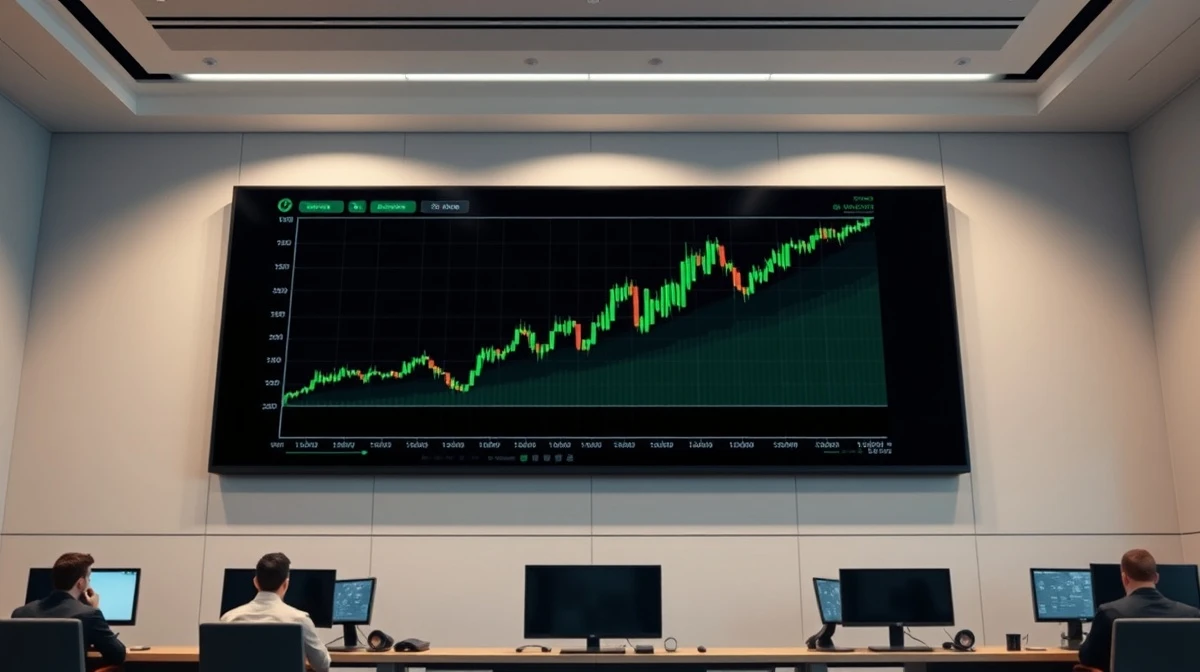
Bitcoin jumped approximately 4.5% in the hours following the markup announcement, breaking above a key resistance level near $67,000. Trading volumes spiked, particularly on U.S.-based exchanges, suggesting genuine institutional interest rather than retail speculation alone. However, similar rallies during previous regulatory milestones — such as the introduction of the Lummis-Gillibrand Responsible Financial Innovation Act — have often reversed within days.
Why This Time Might Be Different
Analysts point to several factors that could support a more durable move. First, the CLARITY Act has broader bipartisan support than earlier proposals, reducing the likelihood of political gridlock. Second, the bill includes provisions for a self-regulatory organization (SRO) for crypto exchanges, which many institutional investors have cited as a prerequisite for large-scale entry. Third, the macroeconomic backdrop — with the Federal Reserve signaling a potential pause in interest rate hikes — has historically been favorable for risk assets like Bitcoin.
Also read: Galaxy Research Lowers CLARITY Act Approval Odds to 60% on Political Hurdles
Breakout or Bull Trap? Key Risks Remain
Skeptics warn that the rally may be premature. The markup process is only the first of many legislative hurdles; the bill must still pass the full House, the Senate, and survive potential amendments that could dilute its pro-industry provisions. Additionally, the SEC has continued enforcement actions against major exchanges during the markup, signaling that regulatory clarity is not yet guaranteed. On-chain data shows that a significant portion of the recent buying came from short-term holders, a pattern that often precedes profit-taking and pullbacks.
What This Means for Investors
For long-term holders, the CLARITY Act represents a positive step toward regulatory legitimacy, which could reduce the risk of sudden policy-driven sell-offs. For short-term traders, the current volatility demands caution. The next few weeks will be critical: if the bill advances with strong bipartisan support and without controversial amendments, Bitcoin could test its all-time highs. If the markup stalls or produces unfavorable language, the rally could quickly reverse.
Conclusion
The Bitcoin rally during the CLARITY Act markup reflects genuine optimism that the U.S. is moving toward a coherent crypto regulatory framework. However, the path from markup to law is long and uncertain. Investors should watch for concrete legislative progress rather than price action alone, and remain prepared for both outcomes — a sustained breakout or a temporary bull trap.
FAQs
Q1: What is the CLARITY Act markup?
The markup is a formal session where the House Financial Services Committee debates, amends, and votes on the CLARITY Act before it can proceed to a full House vote. It is a key step in the legislative process.
Q2: How does the CLARITY Act affect Bitcoin prices?
The bill aims to provide regulatory clarity for digital assets, which could reduce uncertainty for institutional investors. Positive legislative progress often boosts Bitcoin prices, while delays or negative amendments can trigger sell-offs.
Q3: Is the current Bitcoin rally sustainable?
It depends on the bill’s progress through Congress and broader market conditions. While the initial reaction is positive, the rally faces risks from legislative hurdles, SEC enforcement actions, and short-term profit-taking.