Coffee futures rose sharply on Monday, with arabica and robusta contracts both posting strong gains as traders focused on tightening supplies at exchange-monitored warehouses. July arabica coffee settled up 2.55%, while July robusta gained nearly 3%, reaching a two-week high.
Inventories Tighten as Supply Pressures Mount
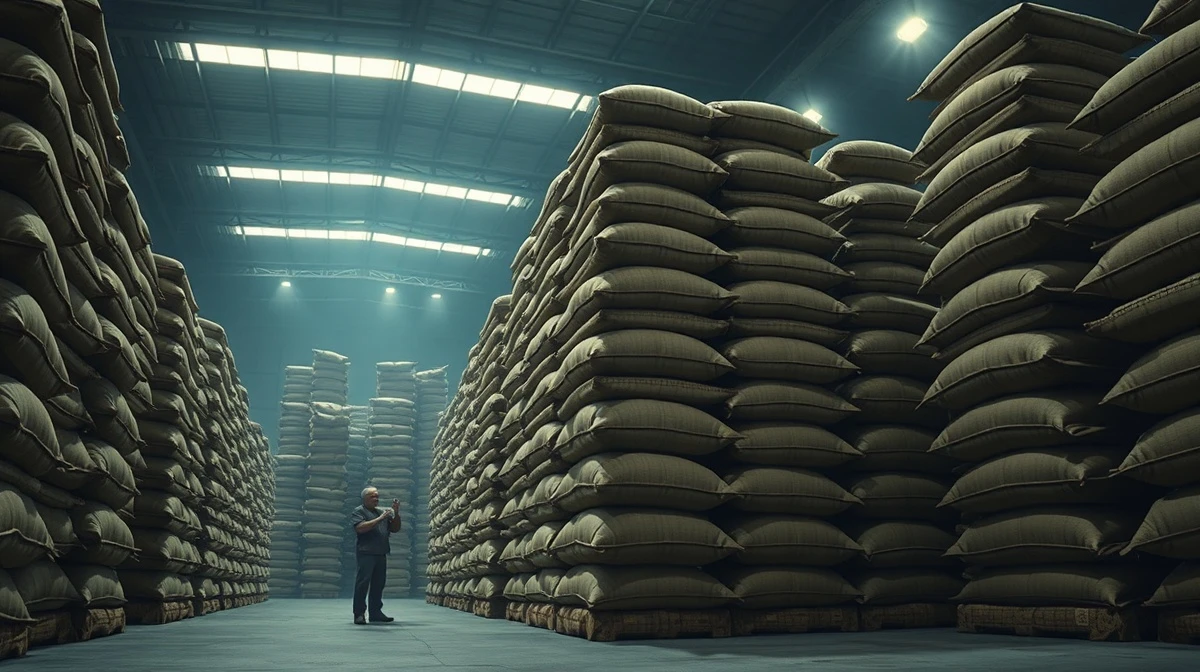
The rally was driven primarily by declining inventories at the Intercontinental Exchange (ICE). Arabica coffee stocks fell to 477,045 bags last Friday, the lowest level in two and a half months. Robusta inventories also dropped, hitting a 16.75-month low of 3,687 lots. These drawdowns signal that available supply is being absorbed faster than new deliveries are arriving, a dynamic that typically supports higher prices.
Also read: Chinese equities: BNY says strong investor flows support buy-the-dip stance
Beyond warehouse data, the ongoing closure of the Strait of Hormuz continues to disrupt global coffee supply chains. The waterway’s closure has pushed up shipping rates, insurance costs, and fuel prices, raising expenses for importers and roasters. While the Strait is not a direct coffee shipping route for most origins, the broader disruption to global maritime trade has tightened logistics and added a risk premium to commodity markets.
Divergent Signals from Major Producers
Market participants are weighing mixed fundamental signals from the world’s top coffee producers. Vietnam, the largest robusta grower, reported a 15.8% year-over-year increase in coffee exports for the first four months of 2026, reaching 810,000 metric tons. That follows a 17.5% jump in full-year 2025 exports. Vietnam’s 2025/26 production is projected to rise 6% year-over-year to a four-year high of 1.76 million metric tons, a bearish factor for robusta prices.
Meanwhile, expectations of a record Brazilian coffee crop are weighing on arabica sentiment. The Coffee Trading Academy projects Brazil’s 2026/27 harvest will increase 12% year-over-year to 71.4 million bags. Other major forecasters, including Marex Group Plc and StoneX, have similarly raised their estimates to record levels, with StoneX projecting a global coffee surplus of 10 million bags in 2026, the largest in six years.
Why This Matters for Coffee Markets
The tension between shrinking near-term inventories and expectations of a bumper Brazilian crop is creating a volatile trading environment. Traders are balancing immediate supply tightness—visible in ICE warehouse data and logistical disruptions—against the prospect of a large harvest that could replenish stocks later in the year. This dynamic often leads to sharp price swings as the market reassesses supply-demand balances.
For roasters and coffee companies, the current environment means higher input costs in the short term, but potential relief later if the Brazilian crop materializes as forecast. Consumers may see elevated retail prices persist until the market gains clarity on harvest outcomes and inventory rebuilding.
Conclusion
Coffee prices remain underpinned by shrinking ICE inventories and ongoing supply chain disruptions, even as record harvest forecasts from Brazil and strong export data from Vietnam point to a potential surplus later in the year. The market is likely to stay sensitive to inventory reports, shipping conditions, and crop development updates in the weeks ahead.
FAQs
Q1: Why are coffee prices rising despite expectations of a large Brazilian crop?
Near-term supply tightness, reflected in declining ICE inventories and shipping disruptions from the Strait of Hormuz, is currently outweighing the bearish outlook for a record Brazilian harvest. Markets are pricing in immediate scarcity before the new crop arrives.
Q2: How do ICE inventory levels affect coffee prices?
ICE inventories represent certified coffee available for delivery against futures contracts. When stocks fall, it signals that supply is being consumed faster than it is being replenished, which typically supports higher futures prices.
Q3: What is the outlook for coffee prices in the coming months?
The outlook is mixed. If the Brazilian harvest meets record expectations and global logistics improve, prices could decline. However, if inventories continue to shrink or crop forecasts are revised lower, prices may remain elevated. Traders should monitor weekly inventory data and crop reports closely.