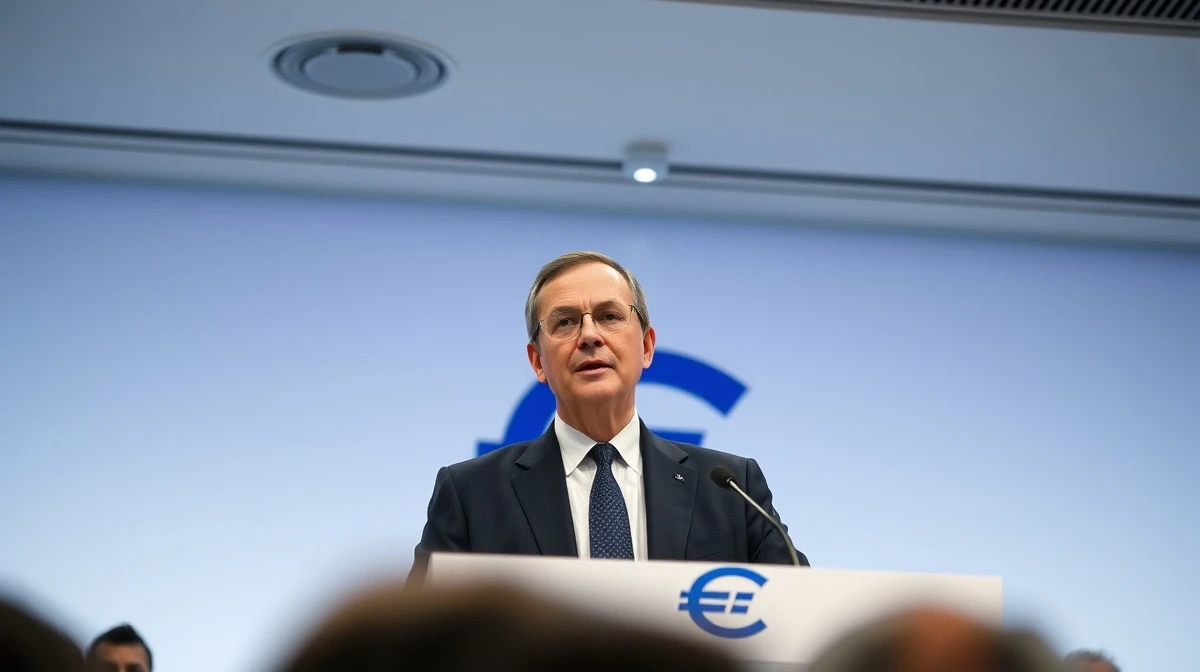
European Central Bank (ECB) Chief Economist Philip Lane has issued a stark warning that a sustained oil price shock could compel the central bank to raise interest rates further, complicating the eurozone’s path to stable inflation. Speaking at an economic conference in Frankfurt, Lane highlighted that energy price spikes, if persistent, would feed directly into headline inflation and potentially into underlying price pressures.
Oil’s Asymmetric Threat to Inflation
Lane’s comments come as global oil markets face renewed volatility due to geopolitical tensions and potential supply disruptions. He noted that while the ECB’s current tightening cycle has been data-dependent, an external supply-side shock like a sharp rise in oil prices presents a unique challenge. Unlike demand-driven inflation, which monetary policy can directly cool, an oil shock simultaneously raises prices and risks dampening economic growth.
Also read: The Japanese Yen Tests Tokyo's Patience at an Undisclosed Intervention Line
The ECB has already raised rates ten consecutive times since July 2022, bringing its key deposit rate to a record high of 4%. However, Lane emphasized that the central bank cannot ignore a sustained energy price surge, as it would risk de-anchoring inflation expectations. ‘We must remain vigilant against second-round effects,’ Lane stated, referring to the risk that higher energy costs lead to broader wage and price increases across the economy.
Market and Economic Implications
Financial markets reacted cautiously to Lane’s remarks, with eurozone bond yields edging higher as traders priced in a reduced probability of early rate cuts. The euro also strengthened slightly against the US dollar. Analysts at ING noted that Lane’s speech reinforces the ECB’s hawkish bias, even as the eurozone economy teeters on the brink of recession.
Also read: Mexican Peso Falls as USMCA Trade Deal Uncertainty Rattles Markets
For businesses and households, the prospect of further rate hikes means continued tight credit conditions. Mortgage rates in countries like Germany and Spain remain elevated, while corporate borrowing costs have slowed investment. Lane acknowledged the ‘considerable uncertainty’ surrounding the economic outlook but argued that the ECB’s primary mandate—price stability—must take precedence.
What This Means for Eurozone Consumers
If oil prices remain elevated, the ECB’s reaction could mean higher borrowing costs for longer. Consumers should expect loan and mortgage rates to stay high, potentially through 2025. Meanwhile, savings rates may improve as banks pass on higher ECB rates to depositors, though this has been slow in some countries.
Conclusion
Philip Lane’s warning underscores the delicate balancing act facing the ECB. While inflation has fallen from its 2022 peak, an oil shock could reignite price pressures and force the central bank to resume its tightening campaign. For the eurozone, the path to a soft landing is narrowing, and the next few months will be critical in determining whether the ECB can achieve its 2% inflation target without triggering a deep recession.
FAQs
Q1: Why would an oil shock force the ECB to raise rates?
An oil shock increases energy costs, which directly raises headline inflation. If sustained, it can lead to broader price increases across the economy (second-round effects), prompting the ECB to tighten monetary policy to prevent inflation from becoming entrenched.
Q2: How high could ECB rates go if oil prices spike?
The ECB has not specified a target rate. However, markets currently expect rates to remain at or near 4% through mid-2025. A significant oil shock could push expectations toward another 25-50 basis point hike, depending on the magnitude and persistence of the price increase.
Q3: What is the difference between demand-pull and cost-push inflation in this context?
Demand-pull inflation occurs when strong consumer spending drives prices up, which central banks can cool by raising rates. Cost-push inflation, like an oil shock, comes from rising production costs, which both raises prices and hurts economic growth, making it harder for central banks to respond without causing a recession.