March 27, 2026 — Cocoa futures traded lower as market expectations for a solid West African harvest and rising exchange inventories reinforced a global supply surplus, outweighing supportive factors from shipping disruptions and slower port deliveries.
Market Moves on Supply Outlook
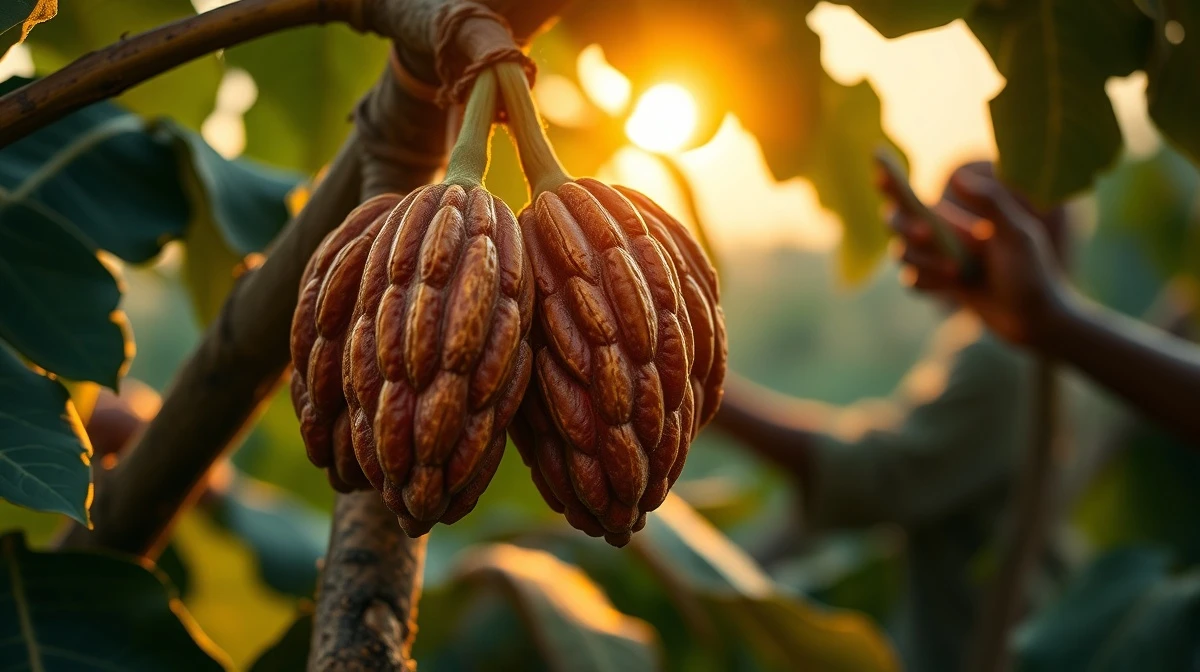
May ICE NY cocoa futures declined, continuing a downward trend from recent highs. Prices remain above three-week lows set earlier in the week. Analysts point to favorable growing conditions in key producing nations as a primary driver. Recent consistent rains in Ivory Coast and Ghana have reportedly boosted pod development on cocoa trees, setting the stage for a strong mid-crop harvest.
Also read: Chinese equities: BNY says strong investor flows support buy-the-dip stance
Supply data supports the bearish sentiment. ICE-monitored cocoa inventories recently climbed to an eight-month high. This build-up coincides with official actions from major producers. Last month, Ghana cut the official farmgate price for cocoa farmers by nearly 30% for the current 2025/26 season. Ivory Coast also announced a significant reduction in farmer pay, effective for the harvest that began this month.
Demand Weakness Compounds Price Pressure
Consumer resistance to high chocolate prices continues to suppress demand, creating headwinds for cocoa. The world’s largest bulk chocolate maker, Barry Callebaut AG, reported a sharp decline in sales volume for its cocoa division in the quarter ending November 30. The company cited negative market demand as a key factor.
Regional cocoa grinding reports, a key indicator of demand, have shown consistent weakness. The European Cocoa Association reported that fourth-quarter 2025 grindings fell to their lowest level for that period in twelve years. Asian grindings also declined year-over-year, while North American processing showed only marginal growth.
Mixed Signals from Production Forecasts
Production estimates present a complex picture. Ivory Coast has projected its 2025/26 cocoa output will fall by over 10% compared to the previous season. Nigeria’s Cocoa Association forecasts an 11% annual decline in production for the same period.
However, these regional declines are set against a backdrop of larger global surpluses. The International Cocoa Organization (ICCO) recently raised its estimate for the global cocoa surplus in the 2024/25 season, marking the first surplus in four years. The organization estimated global production for that period climbed by more than 8%.
Financial institutions have adjusted their forecasts. Rabobank reduced its global surplus estimate for 2025/26 in a February report. Conversely, analysis from StoneX in January projected continued surpluses for both the 2025/26 and 2026/27 seasons.
Geopolitical and Logistical Factors
Some factors provide price support. The ongoing closure of the Strait of Hormuz has increased costs for cocoa importers by elevating global shipping rates, insurance premiums, and fuel prices. The disruption has also reduced fertilizer supplies, a critical input for future crops.
Shipments from Ivory Coast to ports have slowed. Cumulative data showed arrivals for the current marketing year, which began October 1, 2025, were down nearly 3% compared to the same period a year earlier as of March 22. Higher exports from Nigeria, the world’s fifth-largest producer, have acted as a partial offset. Data showed Nigerian cocoa exports rose significantly in December 2025.
The market now balances ample immediate supplies and weak demand against longer-term logistical challenges and varied production forecasts. For more information on commodity market data, visit the Intercontinental Exchange product listings. Official crop reports can be found through the International Cocoa Organization.