
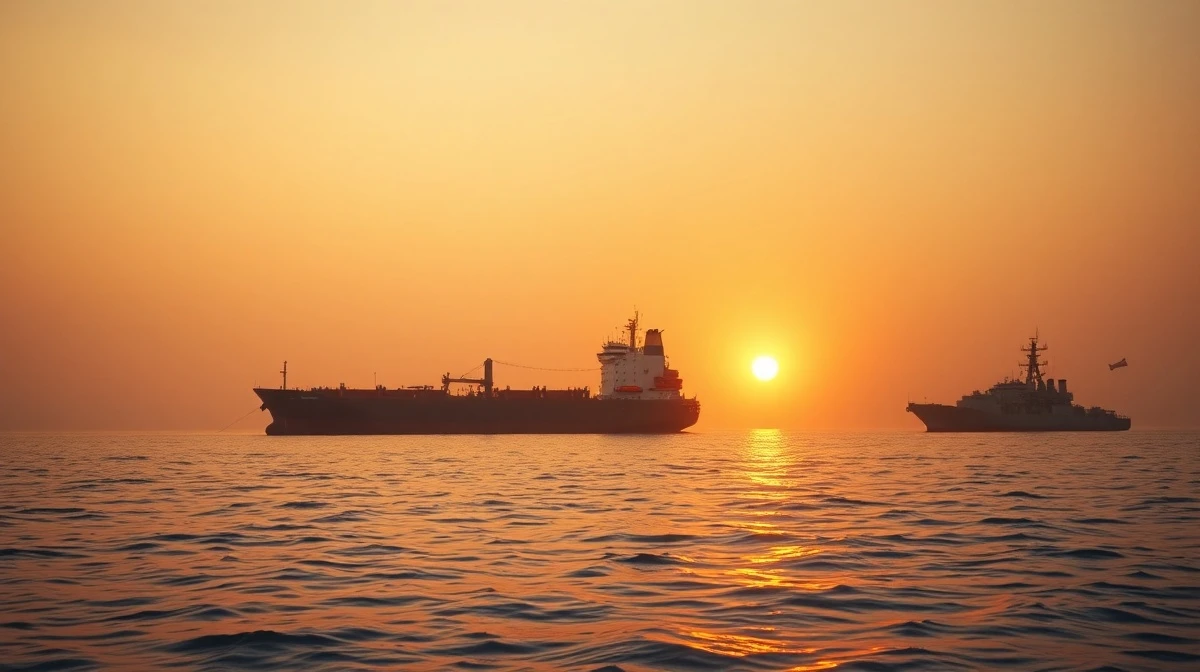
Crude oil prices jumped sharply on Monday after President Trump rejected Iran’s latest peace proposal, effectively prolonging the closure of the Strait of Hormuz and deepening global supply concerns. June West Texas Intermediate crude futures rose 2.78%, while gasoline futures climbed over 2% as traders priced in sustained disruption to one of the world’s most critical energy chokepoints.
Diplomatic Breakdown Worsens Supply Outlook
The latest diplomatic exchange between Washington and Tehran ended in deadlock. Iran offered to transfer part of its highly enriched uranium stockpile to a third country but refused to dismantle its nuclear facilities. Tehran also demanded the lifting of the U.S. naval blockade, sanctions relief, and continued influence over traffic through the Strait of Hormuz. President Trump called the terms “totally unacceptable,” signaling no immediate path to reopening the waterway.
Also read: Chinese equities: BNY says strong investor flows support buy-the-dip stance
The Strait of Hormuz handles roughly one-fifth of the world’s oil and liquefied natural gas. Its closure has already forced Persian Gulf producers to cut output by about 6% as local storage reaches capacity. Goldman Sachs estimates that crude production in the region has been curtailed by approximately 14.5 million barrels per day, with global stockpiles drawn down by nearly 500 million barrels since the conflict escalated.
Military Escalation and Regional Realignments
President Trump announced Monday that the U.S. may restart operations to guide commercial ships through the strait as soon as this week, using naval and air support. In a significant shift, Saudi Arabia and Kuwait have lifted restrictions on the U.S. military’s use of their bases and airspace after Iran launched missiles and drones at the United Arab Emirates in response to earlier U.S. efforts to reopen the waterway. Both countries had previously blocked access following what they saw as downplaying of Iranian attacks by senior U.S. officials.
The International Energy Agency reported last week that roughly 14 million barrels per day of global oil supply have been shuttered due to the war and the strait’s closure. More than 80 energy facilities have been damaged, and the IEA warned that recovery could take up to two years.
OPEC+ Production Plans Under Pressure
OPEC+ had announced a 188,000-barrel-per-day production increase for June, following a 206,000 bpd hike in May. However, the ongoing conflict makes any meaningful output boost unlikely, as Middle Eastern producers are already forced to cut. OPEC’s April crude production fell to 20.55 million bpd, its lowest in 35 years. The cartel still has 827,000 bpd left to restore from cuts initiated in early 2024.
Broader Geopolitical and Market Context
The Russia-Ukraine war continues to tighten global oil supplies. Ukrainian drone and missile strikes have hit at least 30 Russian refineries over the past ten months, and April saw 21 attacks on refineries, export terminals, and pipelines. Russia’s average refinery runs fell to 4.69 million bpd, the lowest in 16 years. Combined with U.S. and EU sanctions, Russian crude exports remain constrained.
Domestically, U.S. crude inventories are slightly above the five-year seasonal average, but gasoline stocks are 3.1% below average, and distillate inventories are 10.1% below. U.S. crude production edged down to 13.573 million bpd, just below the record high. The active oil rig count rose slightly to 410, but remains near a four-year low.
Conclusion
The convergence of diplomatic failure, military escalation, and sustained supply disruption has pushed crude prices sharply higher. With the Strait of Hormuz closed and no diplomatic resolution in sight, markets face the prospect of prolonged energy shortages and elevated prices. The situation remains fluid, and traders will closely monitor any signs of renewed negotiations or further military action.
FAQs
Q1: Why is the Strait of Hormuz so important for oil markets?
Approximately one-fifth of the world’s oil and liquefied natural gas passes through the strait. Its closure disrupts a critical supply route, forcing producers to cut output and drawing down global stockpiles.
Q2: What was Iran’s latest proposal, and why was it rejected?
Iran offered to transfer some enriched uranium to a third country but refused to dismantle nuclear facilities. It demanded an end to the U.S. naval blockade, sanctions relief, and continued influence over strait traffic. The U.S. deemed these terms unacceptable.
Q3: How much oil supply has been lost due to the conflict?
The IEA estimates about 14 million barrels per day of global supply have been shut in. Goldman Sachs calculates that Persian Gulf output alone has been cut by 14.5 million bpd, with nearly 500 million barrels drawn from global stockpiles.

