
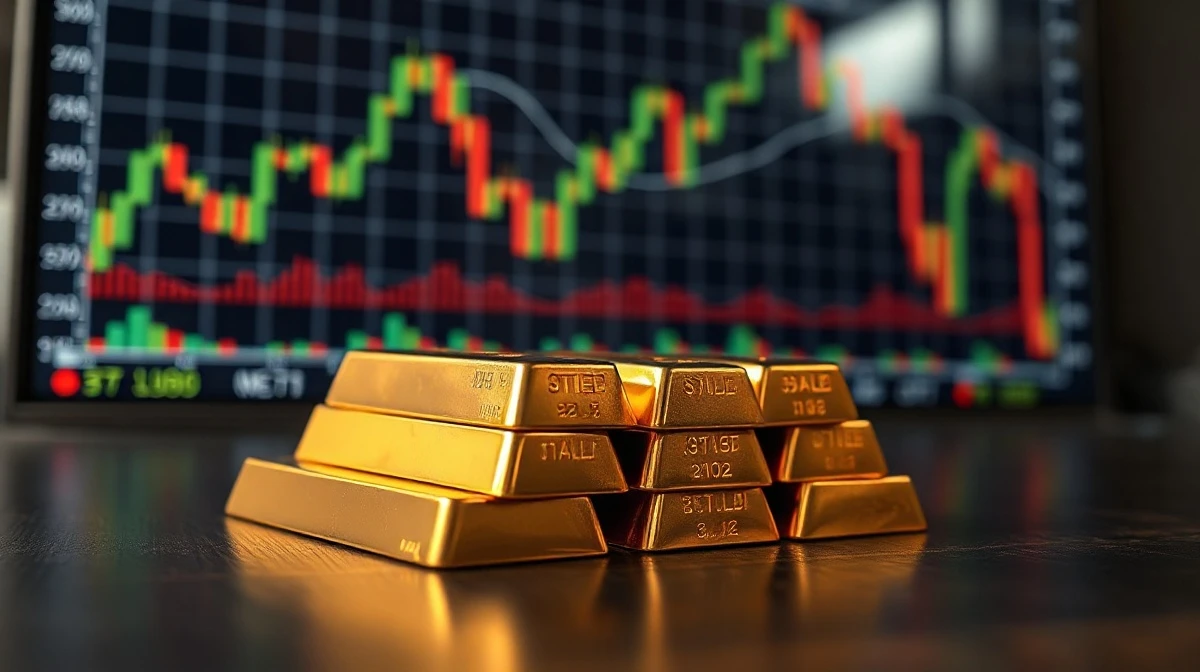
Gold prices climbed above $2,400 an ounce on Tuesday, extending a rally that has seen the precious metal gain more than 15% year-to-date. The catalyst was not a fresh geopolitical crisis, but a repricing of Federal Reserve interest rate expectations following comments from Chair Jerome Powell.
Speaking at the Economic Club of Washington, Powell acknowledged that inflation had made “modest further progress” toward the Fed’s 2% target, a phrasing markets interpreted as dovish. According to the CME FedWatch Tool, the probability of a 25-basis-point rate cut at the September 18 FOMC meeting rose to 68% on Tuesday, up from 54% a week earlier.
Also read: Canada's Q2 GDP Rebound Expected to Show Strength, but RBC Warns of 'Headwinds' Ahead
Fear Trade vs. Rate Trade
For much of 2024, gold’s rally was attributed to geopolitical uncertainty — wars in Ukraine and the Middle East, plus trade tensions between the U.S. and China. But Tuesday’s price action told a different story. The CBOE Volatility Index (VIX), often called the “fear gauge,” fell 3.2% on the day, suggesting investors were not in risk-off mode.
Instead, the move was textbook monetary policy response: lower real yields and a weaker U.S. dollar. The Bloomberg Dollar Spot Index slipped 0.4% on Tuesday, making gold cheaper for holders of other currencies. Real yields on 10-year Treasury Inflation-Protected Securities (TIPS) fell to 1.72%, their lowest since March.
Also read: BNY: Fed has legal power to backstop corporate credit, but Warsh-era intervention bar is high
“Gold is answering to the Fed, not to the fear,” said Nicky Shiels, head of metals strategy at MKS PAMP. “The narrative has shifted from ‘buy gold because the world is ending’ to ‘buy gold because the Fed is cutting.’ That is a more sustainable driver.”
Technical Levels in Focus
From a technical perspective, gold is testing a key resistance zone between $2,420 and $2,450. A decisive break above $2,450 would open the path toward the all-time high of $2,483.60 set in May. Support sits at $2,350, the 50-day moving average.
Trading volumes on COMEX gold futures were 22% above the 30-day average on Tuesday, according to preliminary exchange data, indicating institutional participation in the move.
The next major data point is Friday’s U.S. Personal Consumption Expenditures (PCE) price index, the Fed’s preferred inflation gauge. A reading at or below 2.5% year-over-year would reinforce the case for a September cut and likely push gold higher.
Implications for the Broader Market
The shift from fear-driven to rate-driven gold demand has implications beyond the precious metals market. It suggests that investors are becoming more comfortable with the macroeconomic outlook, betting that the Fed can achieve a soft landing — cooling inflation without triggering a recession.
That view was echoed in equity markets on Tuesday, with the S&P 500 rising 0.6% and rate-sensitive sectors like real estate and utilities leading gains. The simultaneous rally in gold and stocks is unusual but historically consistent with periods of expected monetary easing.
Gold ETFs saw net inflows of $1.2 billion in the week ending July 19, the largest weekly inflow since April 2022, according to data from the World Gold Council. This suggests that the move is not just speculative futures trading but actual investment demand.
Frequently Asked Questions
Why did gold prices rise despite geopolitical tensions easing?
Gold rallied because traders focused on the Federal Reserve’s dovish signals, including a potential September rate cut, rather than on geopolitical fear factors. This shift in focus drove demand for gold as a monetary hedge.
What is the key level for gold traders to watch now?
The $2,450 resistance level is critical. A break above that could signal a test of the all-time high near $2,480, while support sits at $2,350.
How does a Fed rate cut affect gold prices?
Lower interest rates reduce the opportunity cost of holding non-yielding assets like gold, and typically weaken the U.S. dollar, both of which are bullish for gold prices.

