Google announced at its annual I/O developer conference on Tuesday that it is launching Pics, a new AI-powered design and image-generation application built directly into Google Workspace. The tool is designed to let users create graphics, social media posts, invitations, and marketing materials using simple text prompts, without requiring any prior design experience. The move positions Google as a direct competitor to established platforms like Canva and newer AI-native tools such as Anthropic’s Claude Design.
How Google Pics works
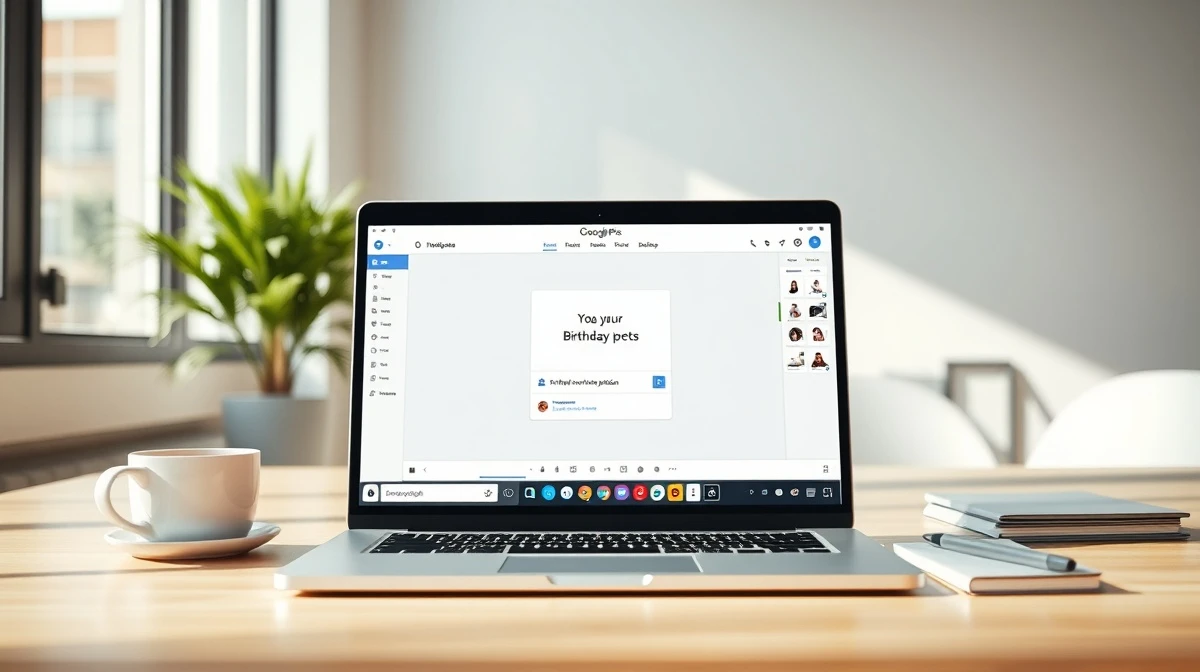
Pics is powered by Google’s Nano Banana 2 model, which the company says supports precise text rendering, real-world knowledge, and detailed visual output. Users can enter a prompt to generate an image or design, then edit individual elements by clicking on them and leaving a comment — similar to the feedback system in Google Docs. Alternatively, users can make manual edits directly, such as changing text on a birthday invitation, without writing a new prompt. This addresses a common frustration with AI image generators: the difficulty of modifying specific parts of an image without regenerating the entire output.
Also read: Roost, the viral 'slow-cial' app, delivers messages at the speed of birds
Strategic implications for the design market
Google’s entry into the AI design space signals that the market for accessible visual content creation is becoming a core competitive arena. Canva, which has dominated the easy-design category for years, now faces a challenger with deep integration into a productivity suite used by millions. Meanwhile, AI-native competitors like Claude Design from Anthropic are pushing the boundaries of what generative models can produce. By embedding Pics natively into Google Workspace, Google enables visual collaboration across Docs, Sheets, and Slides, allowing teams to create and edit graphics without switching tools.
What this means for users
For teachers, small business owners, and non-designers, Pics lowers the barrier to creating professional-looking visuals. The ability to edit specific parts of an image without regenerating the whole thing could make AI design tools more practical for real-world use cases, such as updating event details or correcting typos. The app also supports downloading, copying, printing, and sharing, with the option to pass designs to others for final edits.
Also read: Final call: Startup Battlefield Australia applications extended to July 20
Availability and rollout
Google is launching Pics to a group of testers at I/O, with a broader rollout planned for Google AI Ultra subscribers this summer. The company has not yet announced pricing or full availability details. The announcement was part of a larger set of updates at Google I/O 2026, including changes to Google Search, the Gemini app, and new information agents.
Conclusion
Google Pics represents a significant step in making AI-powered design accessible to a mainstream audience. By combining image generation with intuitive editing and Workspace integration, Google is positioning itself as a serious contender in a market that is rapidly evolving. The success of Pics will depend on execution, but the strategic direction is clear: AI is becoming a standard feature of productivity tools, not a separate category.
FAQs
Q1: What is Google Pics?
Google Pics is a new AI-powered design and image-generation app built into Google Workspace. It allows users to create graphics, invitations, social media posts, and marketing materials using text prompts, with editable elements.
Q2: How is Pics different from Canva or Claude Design?
Pics is natively integrated into Google Workspace, enabling collaboration across Docs, Sheets, and Slides. It also allows users to edit specific parts of an image by clicking on them, rather than regenerating the entire output.
Q3: When will Google Pics be available?
Pics is currently in testing with a group of users at Google I/O. It will roll out to Google AI Ultra subscribers in summer 2026.