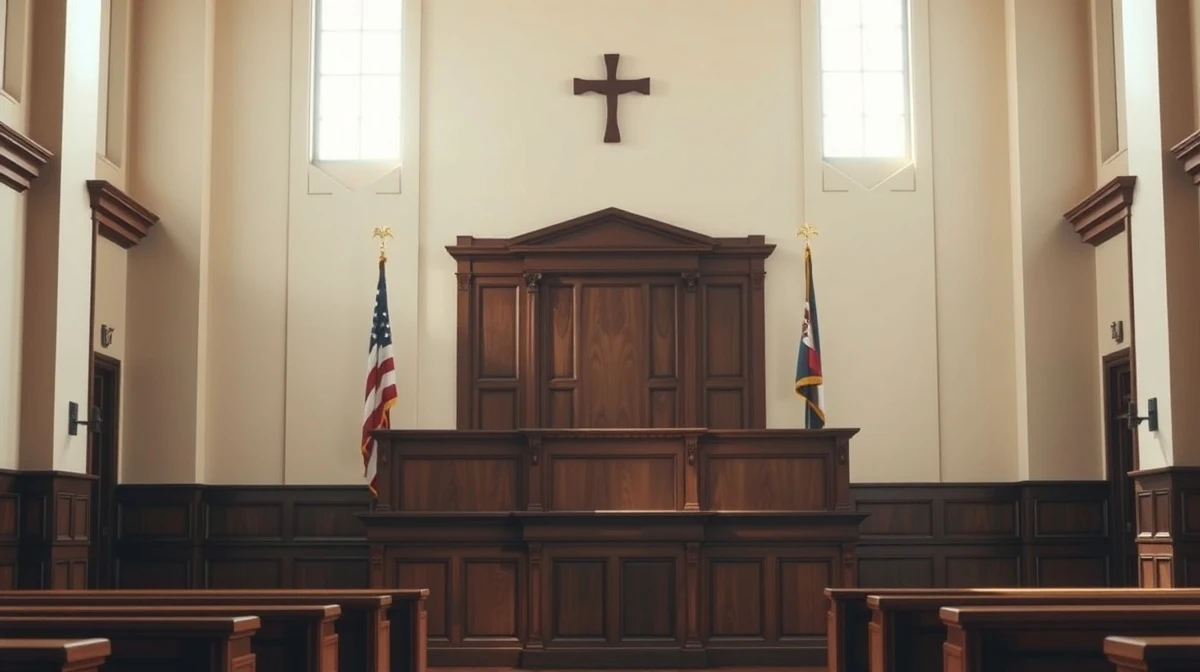
Nine California jurors are now deliberating the future of OpenAI, the world’s leading artificial intelligence lab. While the trial exploring Elon Musk’s case against OpenAI’s cofounders and Microsoft has covered territory ranging from the founders’ 2018 breakup to Sam Altman’s firing and rehiring in 2023, the jurors will consider a set of fairly narrow legal questions. Here is a breakdown of what they must decide, and what each outcome could mean.
The core claims against OpenAI and Sam Altman
Musk’s lawsuit centers on three main allegations. First, breach of charitable trust — whether OpenAI and cofounders Sam Altman and Greg Brockman violated a specific agreement with Musk to use his donations for a defined charitable purpose, rather than for the non-profit’s general operations. Second, unjust enrichment — whether the defendants used Musk’s donations to enrich themselves through OpenAI’s for-profit arm, instead of for charitable goals. Third, aiding and abetting breach of charitable trust — whether Microsoft knew about the conditions on Musk’s donations and played a significant role in causing harm to Musk.
Also read: Ian Bogost on ‘The Small Stuff’: Why Reclaiming Ordinary Life Matters More Than Fighting Big Tech
OpenAI’s defenses: Statute of limitations and more
OpenAI has mounted three key defenses. The statute of limitations argues that any alleged harms occurred before specific legal deadlines — August 5, 2021, for the first count; August 5, 2022, for the second; and November 14, 2021, for the third — making Musk’s claims invalid. The unreasonable delay defense contends that Musk filed his lawsuit in 2024, long after he could have known about OpenAI’s actions, making his request for damages unreasonable. Finally, the unclean hands doctrine holds that Musk’s own conduct — including planning competing AI efforts while still OpenAI’s chair, hiring OpenAI employees for Tesla, and withholding donations to gain control — was unconscionable and invalidates his claims.
What the evidence shows about the charitable trust
Musk’s attorneys argue that the defendants understood he wanted to support a non-profit ensuring AI benefits the world, and that a $10 billion Microsoft investment in 2023 was the turning point. However, OpenAI’s lawyers note that no witness — including Musk’s own financial adviser Jared Birchall and chief of staff Sam Teller — could describe specific restrictions on his donations. A forensic accountant testified that all of Musk’s donations were used by OpenAI well before August 5, 2021, potentially invalidating any charitable trust. OpenAI also points out that its for-profit affiliate has generated nearly $200 billion in equity value to support the non-profit foundation, and that providing ChatGPT for free fulfills the mission of sharing AI benefits.
Also read: Tesla FSD Under New Scrutiny After Fatal Crash; Waymo, Lyft Set Contrasting Paths for Autonomy
Unjust enrichment and Microsoft’s role
The plaintiffs highlight multibillion-dollar valuations of stakes held by OpenAI founders and Microsoft as evidence that Musk’s donations were used for personal benefit. OpenAI counters that all contributions were used by 2020, and that equity distributions came after Musk left in 2018. On aiding and abetting, Musk’s case focuses on Microsoft CEO Satya Nadella’s involvement in Altman’s 2023 rehiring and a clause giving Microsoft veto rights over major decisions. Microsoft’s witnesses insist they knew nothing of specific conditions on Musk’s donations and never vetoed any OpenAI decision.
What a verdict could mean for OpenAI
If Musk wins, it could lead to the end of OpenAI as a for-profit company, though the exact consequences remain unclear. Next week, the judge will begin hearings where both sides will debate the implications of a verdict for the plaintiffs. A negative verdict for Musk could render that process moot. The trial underscores the tension between the non-profit mission of AI safety and the commercial realities of building advanced AI systems.
Conclusion
The jury’s decision will hinge on narrow legal questions about the terms of Musk’s donations, the timing of his lawsuit, and the conduct of all parties. Regardless of the outcome, the case highlights the fundamental challenge of aligning profit-driven AI development with charitable goals — a question that will shape the industry for years to come.
FAQs
Q1: What is the main legal question the jury must decide?
The jury must decide whether Elon Musk’s donations to OpenAI were subject to specific charitable restrictions that were violated when OpenAI created its for-profit arm and accepted large investments from Microsoft.
Q2: What happens if Musk wins the case?
If Musk wins, it could force OpenAI to restructure or dissolve its for-profit operations, though the exact remedy would be determined in separate hearings before the judge.
Q3: Why did Musk wait until 2024 to file his lawsuit?
Musk claims his skepticism grew over time, culminating in 2022 when he learned of Microsoft’s planned $10 billion investment. OpenAI argues he could have known about its structure years earlier, making his delay unreasonable.