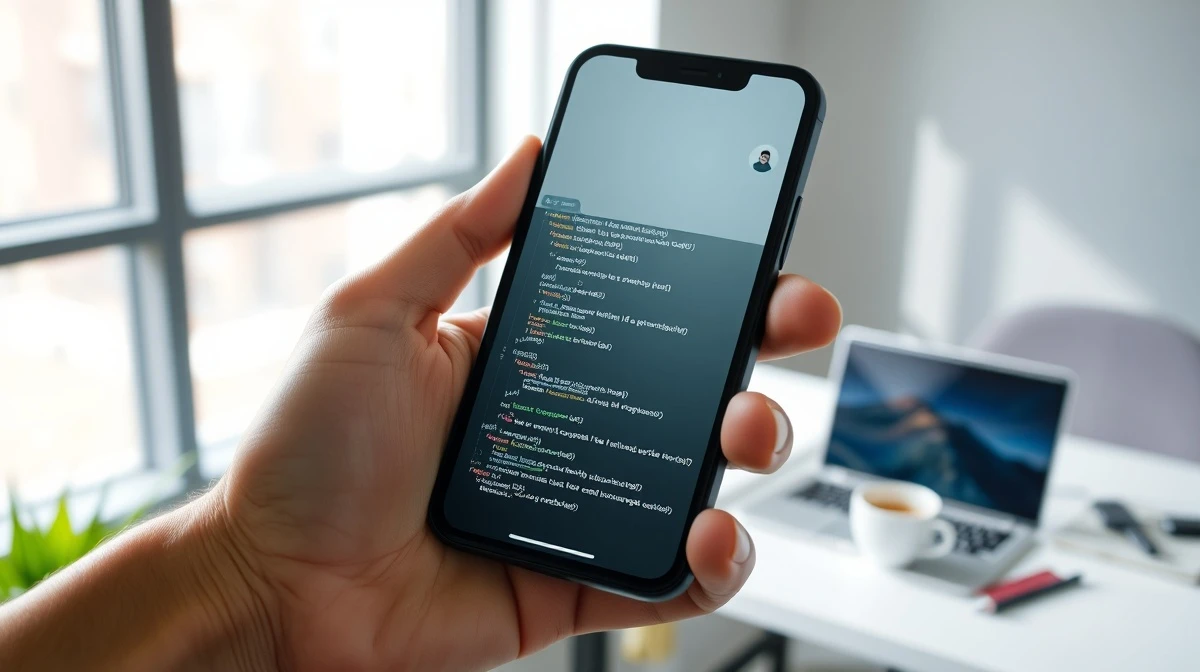
OpenAI has integrated its Codex coding tool into the ChatGPT mobile application, a move that allows developers to monitor and manage their development workflows directly from their phones. The feature, announced Thursday, is now available in preview for all ChatGPT plans on iOS and Android.
What the Mobile Integration Offers
With this update, users can view live Codex environments from any device where the tool is running. According to OpenAI, the mobile capability extends beyond simple remote control. Developers can work across multiple threads, review outputs, approve commands, change models, or initiate new tasks, all from their phone.
Also read: Kobo eReader now syncs with StoryGraph, taking on Amazon's Kindle-Goodreads hold
This follows a recent update last month that gave Codex the ability to run autonomously in the background on desktop systems. Earlier this month, OpenAI also introduced a Chrome extension, enabling Codex to work within live browser sessions.
The Competitive Space
The mobile launch is the latest in a series of rapid feature releases from both OpenAI and Anthropic, underscoring the intense competition between the two companies in the AI coding assistant market. In February, Anthropic released a similar feature called Remote Control, which allows users to monitor Claude Code’s work from a distance.
Also read: Ian Bogost on ‘The Small Stuff’: Why Reclaiming Ordinary Life Matters More Than Fighting Big Tech
Over the past year, Anthropic’s Claude Code has gained significant traction among businesses and tech professionals. However, both tools remain widely used, and the battle for developer adoption is far from settled.
Why This Matters for Developers
The ability to manage complex coding tasks from a mobile device represents a significant shift in developer workflows. For many, it means greater flexibility and the ability to stay connected to their projects without being tied to a desk. However, it also raises questions about security and the potential for errors when approving code changes remotely.
Conclusion
OpenAI’s decision to bring Codex to mobile is a clear signal of its intent to dominate the AI coding assistant market. By offering easy remote management, the company is directly challenging Anthropic’s Claude Code. The success of this feature will likely depend on how well it balances convenience with the reliability and security that professional developers require.
FAQs
Q1: Is Codex mobile available to all ChatGPT users?
A1: Yes, the feature is currently in preview and is available to all ChatGPT plans on both iOS and Android devices.
Q2: Can I run new code from my phone using Codex mobile?
A2: Yes, you can initiate new tasks, approve commands, and change models from your phone. However, the actual code execution may still require a desktop environment or a running Codex instance.
Q3: How does Codex mobile compare to Anthropic’s Remote Control for Claude Code?
A3: Both tools offer similar remote monitoring and management capabilities. OpenAI’s mobile integration is built directly into the ChatGPT app, while Anthropic’s Remote Control is a separate feature. The key difference lies in the user interface and the specific capabilities of each AI model.