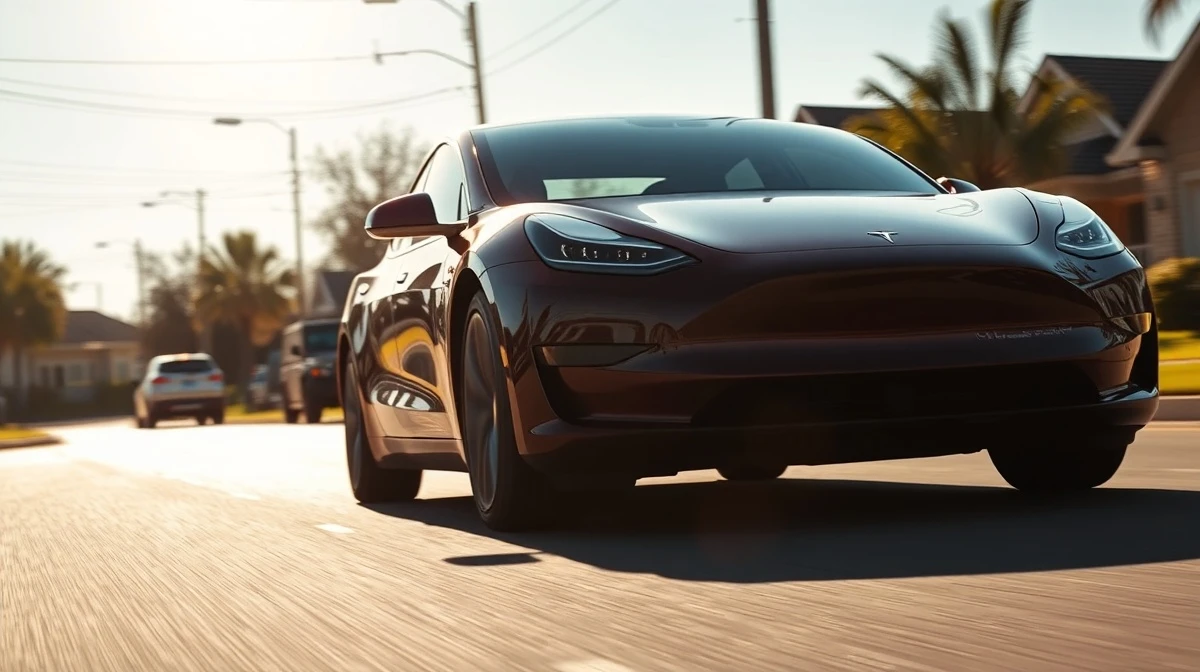
The National Highway Traffic Safety Administration (NHTSA) and the National Transportation Safety Board (NTSB) have opened investigations into a fatal crash involving a Tesla in Texas, where a 76-year-old woman died after the vehicle struck a home. The driver reportedly told police that Autopilot, Tesla’s discontinued basic driver-assistance system, was engaged at the time of the crash. However, Ashok Elluswamy, Tesla’s vice president of AI software, claimed on X that the driver manually overrode the system by pressing the accelerator pedal fully.
This incident adds to a growing list of regulatory and legal challenges for Tesla’s automated driving technology. The company recently settled a lawsuit connected to a fatal 2023 crash involving a vehicle using FSD (Supervised). That crash is part of a separate NHTSA investigation focused on whether the system can detect and respond appropriately to reduced roadway visibility conditions, such as sun glare, fog, or airborne dust.
Also read: US courts to publish spyware wiretap counts for first time, ending decades of secrecy
Waymo’s Ojai Robotaxi Fleet Grows Rapidly
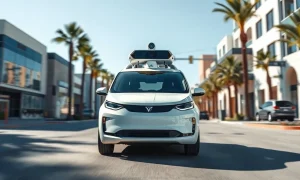
While Tesla faces increased scrutiny, Waymo is quietly scaling its autonomous vehicle operations. A research report from MoffettNathanson, shared with TechCrunch, reveals that Waymo is importing approximately 3,156 of its Zeekr-built Ojai robotaxis into the U.S. this year, or about 300 vehicles per month. The analysis was based on Bill of Lading documents filed with the U.S. government.
The Ojai is a minivan-like robotaxi designed in Sweden and manufactured in China. Once it arrives in the U.S., Waymo installs its sixth-generation self-driving system, which includes 13 cameras, four lidar sensors, six radar units, and an array of external audio receivers. These vehicles do not contain vehicle communication modules, complying with current U.S. policy that bans Chinese-connected vehicle technology.
Also read: Pocket is gone: the best read-it-later apps to save articles in 2026
Lyft Sets a Multi-Sensor Standard for Autonomy
Lyft CEO David Risher has laid out a new multi-sensor safety standard for autonomous rides on the company’s network. The policy explicitly states that autonomous vehicles using only one type of sensor, such as cameras, will not qualify. This directly impacts Tesla’s Cybercab and any future robotaxis using FSD (Unsupervised), which rely solely on camera-based vision. The rules do not apply to advanced driver-assistance systems, meaning human drivers using Tesla vehicles on Lyft are unaffected.
In other industry news, the U.S. Department of Transportation has proposed changes to federal vehicle regulations that would allow companies to skip the inclusion of brake pedals in vehicles designed to be driven exclusively by automated driving systems. This move could benefit companies like Tesla and Zoox. Meanwhile, Lucid Motors is laying off 18% of its workforce, and Polestar can no longer sell new cars in the U.S. due to a law banning Chinese connected car technology.
Frequently Asked Questions
What is the difference between Tesla Autopilot and FSD?
Autopilot is a basic driver-assistance system that has been discontinued. FSD (Supervised) is a more advanced system that still requires active driver supervision.
Why is Lyft banning camera-only autonomous vehicles?
Lyft’s new safety standard requires autonomous vehicles to use multiple sensor types, such as lidar and radar, in addition to cameras. This means Tesla’s camera-only Cybercab would not qualify for the Lyft network.
How many Waymo robotaxis are being imported this year?
According to a research report, Waymo is on pace to import approximately 3,156 vehicles into the U.S. this year, which is about 300 vehicles per month.