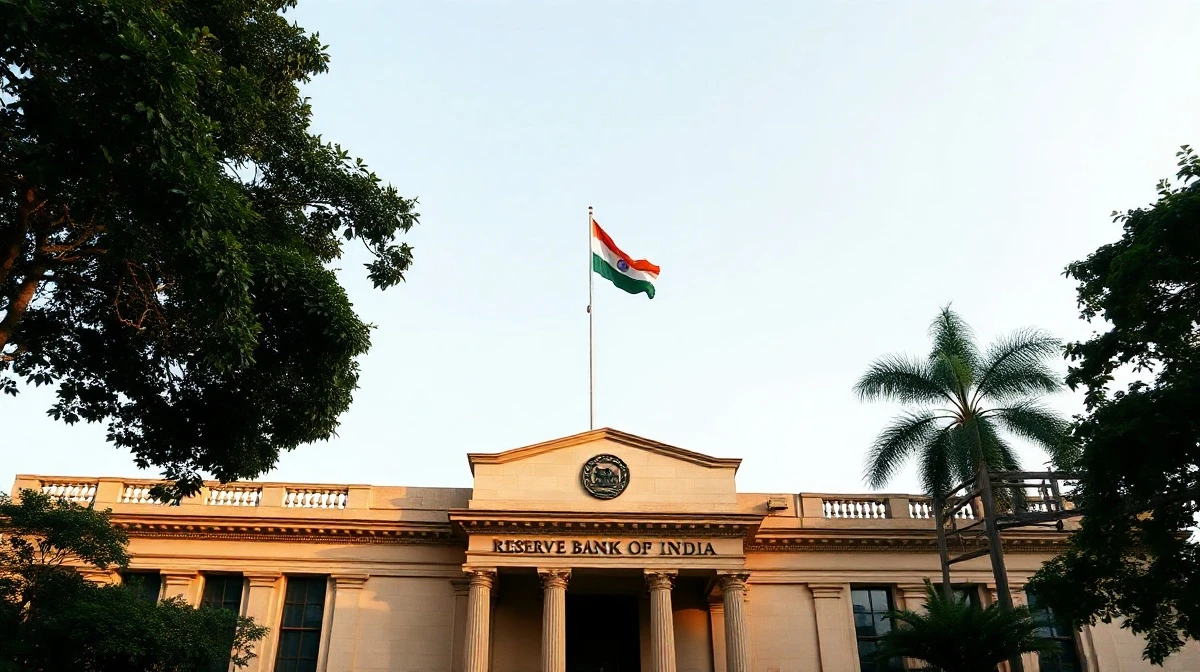
ING economists expect the Reserve Bank of India (RBI) to keep its benchmark repo rate unchanged at 6.5% at the upcoming December 6, 2024 policy meeting, according to a research note published this week. The forecast hinges on persistent food inflation and global uncertainties that continue to cloud the inflation outlook.
ING’s view aligns with a broad market consensus that the RBI will maintain its status quo stance, prioritizing inflation control over growth support. The central bank has held rates steady since February 2023, even as other major economies have begun easing monetary policy.
Also read: Pension taper tax trap: Higher earners face rising charges as thresholds stay frozen
Why the RBI is staying cautious
The primary driver behind the expected hold is food inflation, which remains stubbornly elevated. India’s Consumer Price Index (CPI) inflation rose to 5.49% in October 2024, up from 5.02% in September, largely due to vegetable and pulse prices. The RBI’s medium-term target is 4%, and the central bank has repeatedly emphasized its commitment to aligning inflation with this goal.
ING analysts note that the RBI’s Monetary Policy Committee (MPC) is likely to adopt a ‘wait-and-watch’ approach, especially with the US Federal Reserve’s policy trajectory still uncertain. A stronger dollar and higher global crude oil prices could add to imported inflation, giving the RBI little room to cut rates prematurely.
Also read: A Designer of US Bank Stress Tests Now Says They Should Be Abandoned
What this means for the Indian economy
A prolonged rate pause has mixed implications for different sectors. For borrowers, especially those with home loans and business credit, the cost of borrowing remains elevated, potentially dampening consumption and private investment. On the other hand, savers continue to benefit from higher fixed-deposit rates.
The RBI’s cautious stance also influences the rupee’s exchange rate. A stable interest-rate differential with the US helps support the currency, but any surprise move could trigger volatility. ING expects the RBI to remain vigilant, intervening in the forex market as needed to prevent sharp depreciation.
Looking ahead: When could the RBI cut rates?
ING projects that the RBI may begin easing in the first quarter of 2025, provided two conditions are met: inflation moderates sustainably toward the 4% target, and the US Federal Reserve signals clearer rate cuts. A favorable monsoon season and a normal kharif harvest could also ease food prices, giving the MPC more flexibility.
However, risks remain. Geopolitical tensions, particularly in the Middle East, could push oil prices higher, and a potential global slowdown might affect India’s export growth. The RBI’s policy path will likely be data-dependent, with each inflation print and global development shaping expectations.
For now, the market has priced in a hold for December, and any deviation would be a surprise. The MPC’s tone in its accompanying statement will be closely watched for hints about the timing and pace of future rate cuts.