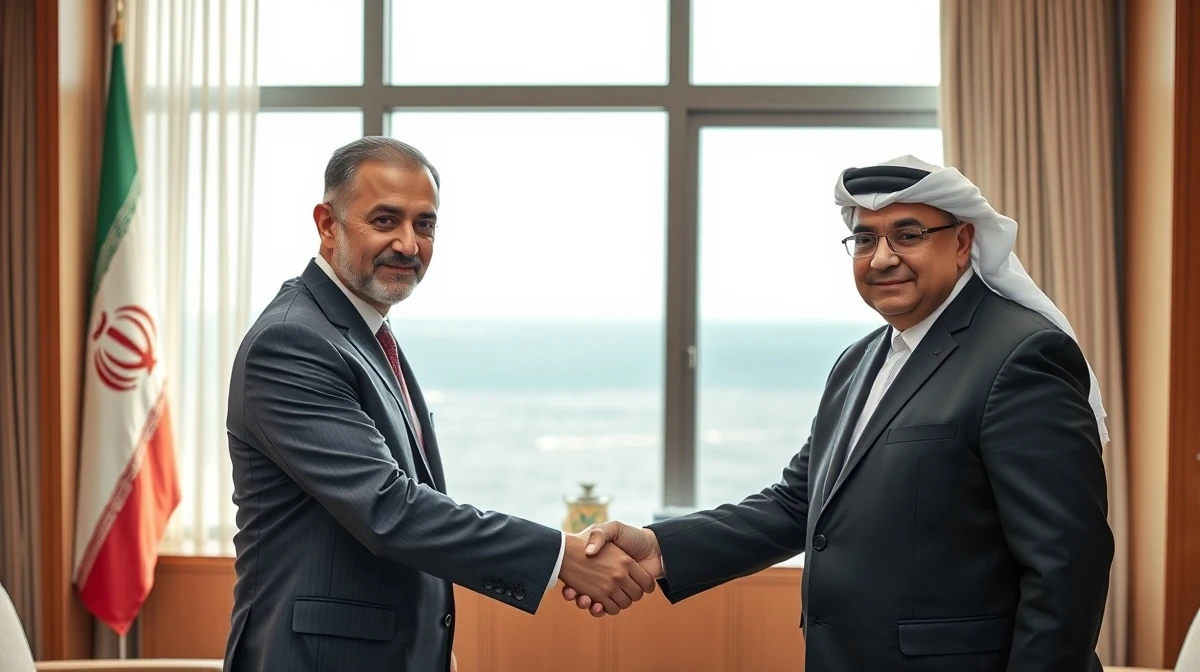
Muscat, Oman — April 27, 2026 — Iran’s Foreign Minister Abbas Araghchi met with Omani officials in Muscat on Monday, holding discussions focused on ending regional hostilities and ensuring the security of the Strait of Hormuz, according to Iranian state media.
The talks come amid heightened tensions in the Persian Gulf. Iran has faced increased international pressure over its nuclear program and its support for proxy groups across the Middle East.
Also read: Japanese Yen Surges Without Official Intervention as Markets Reprice Rate Bets
Oman has historically acted as a mediator between Iran and Western nations. The sultanate maintains diplomatic ties with both Tehran and Washington.
Diplomatic Push
Araghchi’s visit is part of a broader Iranian diplomatic effort. Tehran has been seeking to reduce isolation and secure economic relief from sanctions.
Also read: Silver slides toward two-month low as hawkish Fed bets strengthen dollar
Iranian officials have not disclosed specific proposals discussed in Muscat. But state-run Press TV reported that the talks covered “ways to end the war and secure the Strait of Hormuz.”
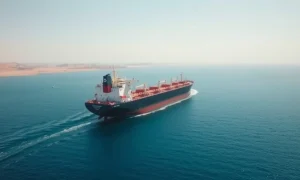
The Strait of Hormuz is a critical chokepoint for global oil shipments. About 20% of the world’s petroleum passes through the waterway.
Iran has threatened to close the strait in the past during periods of confrontation. Any disruption there would send oil prices soaring.
Oman’s Role
Oman has hosted several rounds of indirect talks between Iran and the United States in recent years. The country’s neutral stance makes it a trusted intermediary.
Industry watchers note that Oman’s mediation could help de-escalate tensions. But no breakthrough has been announced.
The Omani Foreign Ministry issued a brief statement confirming the meeting. It said both sides discussed “regional security and stability.” No further details were provided.
Regional Context
The talks occur against a backdrop of multiple conflicts. Iran-backed Houthi rebels in Yemen have launched attacks on Saudi Arabia and Red Sea shipping. Iran also supports Hezbollah in Lebanon and various militias in Iraq and Syria.
Israel has conducted strikes on Iranian targets in Syria. The United States maintains a naval presence in the Gulf.
Data from the International Energy Agency shows that any disruption at Hormuz could affect oil flows to Asia, Europe, and North America. The strait’s security is a global concern.
What’s Next
Diplomatic sources indicate that further meetings may follow. Araghchi is expected to travel to other regional capitals in the coming days.
No timeline has been set for a broader agreement. But the fact that talks are happening signals a willingness on both sides to explore diplomatic channels.
For investors, the key takeaway is that oil markets remain sensitive to any news from the Gulf. A diplomatic breakthrough could ease supply fears. A breakdown could reignite them.