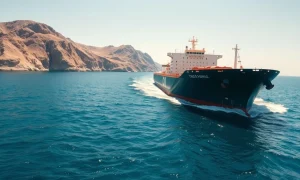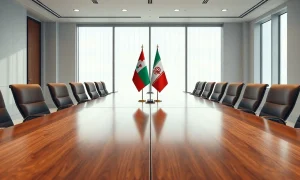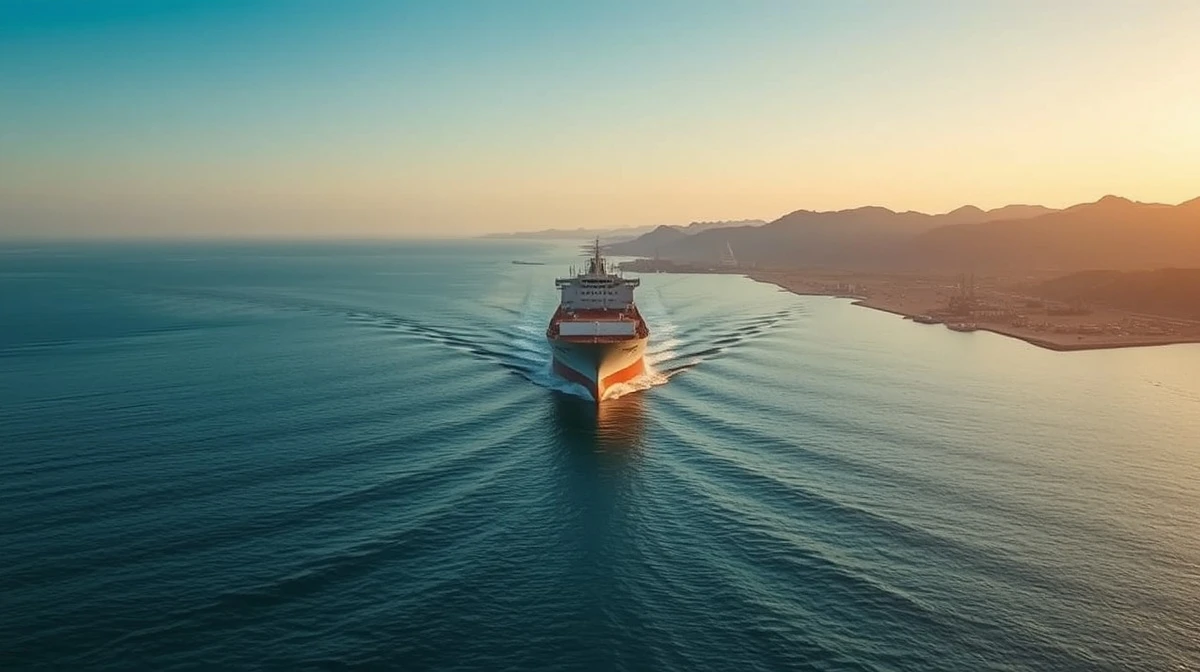
Iran is reportedly engaged in intense diplomatic communications aimed at a gradual reopening of the Strait of Hormuz, according to a report by the Saudi-owned news channel Al-Hadath. The development, if confirmed, could signal a significant shift in regional maritime security dynamics and has immediate implications for global energy markets.
Diplomatic Push Amid Heightened Tensions
The Strait of Hormuz, a narrow waterway between the Persian Gulf and the Gulf of Oman, is a critical chokepoint for global oil shipments. Approximately 20% of the world’s petroleum passes through it daily. Al-Hadath’s report, which cites unnamed sources familiar with the discussions, indicates that Tehran is pursuing a phased approach to restoring normal transit through the strait. The talks are said to involve multiple regional and international actors, though specific parties have not been publicly named.
Also read: Pound Sterling faces a heavy week as Westminster empties out
This diplomatic initiative comes after months of heightened military posturing in the region. Iran has periodically threatened to disrupt shipping through the strait in response to sanctions or perceived provocations. A gradual reopening would likely involve confidence-building measures, such as de-escalation of naval patrols and clear communication channels for commercial vessels.
Market and Economic Implications
Any credible move toward reopening the Strait of Hormuz would have an immediate calming effect on oil prices, which have been volatile due to supply disruption fears. Analysts note that even the prospect of normalized traffic could reduce the risk premium embedded in crude futures. For Gulf Cooperation Council states and major Asian importers like Japan, South Korea, and India, the strait’s reliability is a matter of national energy security.
Also read: US Dollar Index Holds Firm Near 101.00 as Traders Assess Fed Outlook
Beyond oil, the strait is also a key route for liquefied natural gas (LNG) from Qatar. A stable passage supports broader energy market stability. However, experts caution that the talks are at an early stage and face significant hurdles, including deep mistrust between Iran and the United States, as well as ongoing nuclear program disputes.
What a Phased Reopening Might Look Like
A gradual reopening would likely begin with limited daylight transit for commercial vessels under international escort, followed by incremental increases in traffic volume. Verification mechanisms, possibly involving the International Maritime Organization or regional bodies, would be essential to ensure compliance. The timeline remains uncertain, but any concrete steps would be seen as a positive diplomatic signal.
Geopolitical Context and Regional Reactions
The Al-Hadath report, originating from a Saudi-aligned outlet, adds a layer of credibility given Riyadh’s direct interest in Hormuz security. Saudi Arabia has previously called for international action to guarantee freedom of navigation. Iran’s willingness to negotiate, as reported, may reflect internal economic pressures, including inflation and reduced oil revenue due to sanctions.
Israel and the United States have not commented on the report. However, Washington has maintained a naval presence in the region as part of Operation Sentinel, a multinational maritime security initiative. Any diplomatic breakthrough could reduce the need for such deployments, though U.S. officials have historically expressed skepticism about Iranian commitments.
Conclusion
The reported diplomatic communications represent a potentially meaningful development in one of the world’s most strategically vital waterways. While the details remain sparse and unconfirmed by official Iranian sources, the very existence of such talks suggests a recognition in Tehran that prolonged instability at Hormuz carries unacceptable economic and political costs. For global markets and regional stability, a gradual reopening would be a welcome, if cautious, step forward.
FAQs
Q1: Why is the Strait of Hormuz so important?
The Strait of Hormuz is a narrow waterway connecting the Persian Gulf to the Gulf of Oman. About one-fifth of the world’s oil and a significant portion of LNG pass through it, making it the most critical chokepoint for global energy supplies.
Q2: What does a ‘gradual reopening’ mean in practice?
A gradual reopening would involve phased steps to restore safe commercial shipping, such as limited transit windows, international escorts, and verification protocols, rather than an immediate return to full normal operations.
Q3: Who is involved in the reported talks?
Al-Hadath’s report cites unnamed sources and does not name specific parties. It is likely that regional states, international maritime organizations, and possibly the United States are engaged in backchannel communications with Iran.