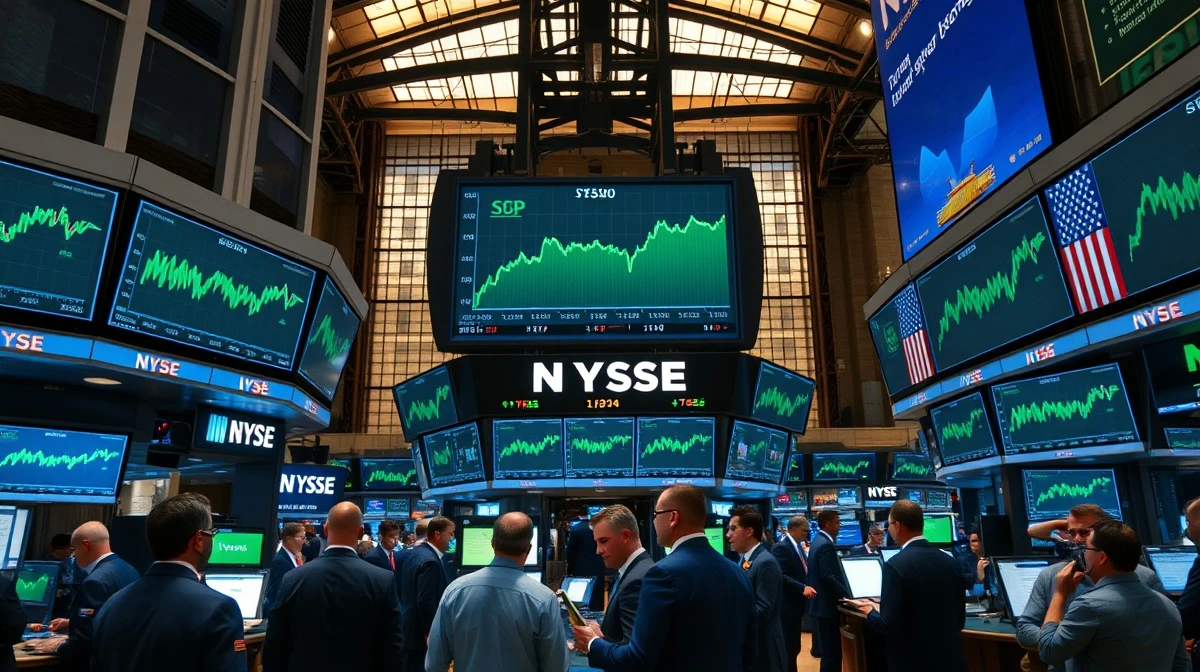
The S&P 500 has surged to fresh all-time highs, propelled by renewed momentum in artificial intelligence-related stocks, according to a new analysis from Deutsche Bank. The benchmark index’s latest rally underscores the market’s continued bet on AI-driven productivity gains and corporate earnings growth, even as broader economic uncertainties persist.
AI Sector Leads the Charge
Deutsche Bank strategists highlighted that the latest leg of the rally is concentrated in technology and AI-linked sectors, with major chipmakers, cloud computing firms, and AI software companies posting significant gains. The bank’s report noted that investor enthusiasm has been reignited by recent earnings reports that exceeded expectations, particularly from companies directly benefiting from AI infrastructure spending.
Also read: Pound Sterling faces a heavy week as Westminster empties out
This is not a broad-based market surge. Instead, it reflects a selective rotation into high-growth areas where AI adoption is translating into measurable revenue and margin expansion. The S&P 500’s record close comes as the index has risen approximately X% year-to-date, with AI-related stocks contributing a disproportionate share of those gains.
Deutsche Bank’s Outlook: Cautious Optimism
While acknowledging the strong momentum, Deutsche Bank’s analysts also urged caution. They pointed out that valuations in the AI segment are elevated relative to historical averages, and that the sustainability of the rally depends on continued execution by individual companies. The bank’s base case remains constructive, but it flagged potential headwinds including regulatory developments, interest rate policy, and geopolitical tensions that could impact supply chains.
Also read: US Dollar Index Holds Firm Near 101.00 as Traders Assess Fed Outlook
The report emphasized that the current market dynamics are reminiscent of previous technology-driven cycles, where early leaders often outperform but corrections can be sharp. Deutsche Bank recommends a balanced approach, favoring quality names with strong balance sheets and proven AI integration over speculative plays.
What This Means for Investors
For retail and institutional investors alike, the S&P 500’s new highs present both opportunity and risk. The AI theme remains a powerful long-term driver, but short-term volatility is likely. Investors should focus on diversification and avoid overconcentration in any single sector. The record highs also serve as a reminder of the market’s ability to defy cautious narratives when technological innovation drives tangible results.
From a broader perspective, the rally signals confidence in the U.S. economy’s ability to harness AI for productivity gains, even as other sectors like manufacturing and consumer staples show mixed performance. The S&P 500’s trajectory will likely remain tied to AI earnings momentum and macroeconomic data in the coming months.
Conclusion
The S&P 500’s fresh record highs, driven by AI momentum as analyzed by Deutsche Bank, reflect a market that is selectively rewarding innovation. While the outlook remains positive in the near term, investors should remain vigilant about valuation risks and external shocks. The AI revolution continues to reshape the market environment, but disciplined investing remains key.
FAQs
Q1: What is driving the S&P 500 to record highs?
The primary driver is strong momentum in artificial intelligence-related stocks, including chipmakers, cloud computing firms, and AI software companies, which have reported better-than-expected earnings and growth prospects.
Q2: What does Deutsche Bank say about the rally?
Deutsche Bank acknowledges the strong momentum but advises cautious optimism, noting elevated valuations in the AI sector and potential risks from regulation, interest rates, and geopolitical issues.
Q3: Is this rally sustainable?
While the long-term AI theme is promising, sustainability depends on continued corporate execution and broader economic conditions. Short-term volatility is possible, and diversification is recommended.