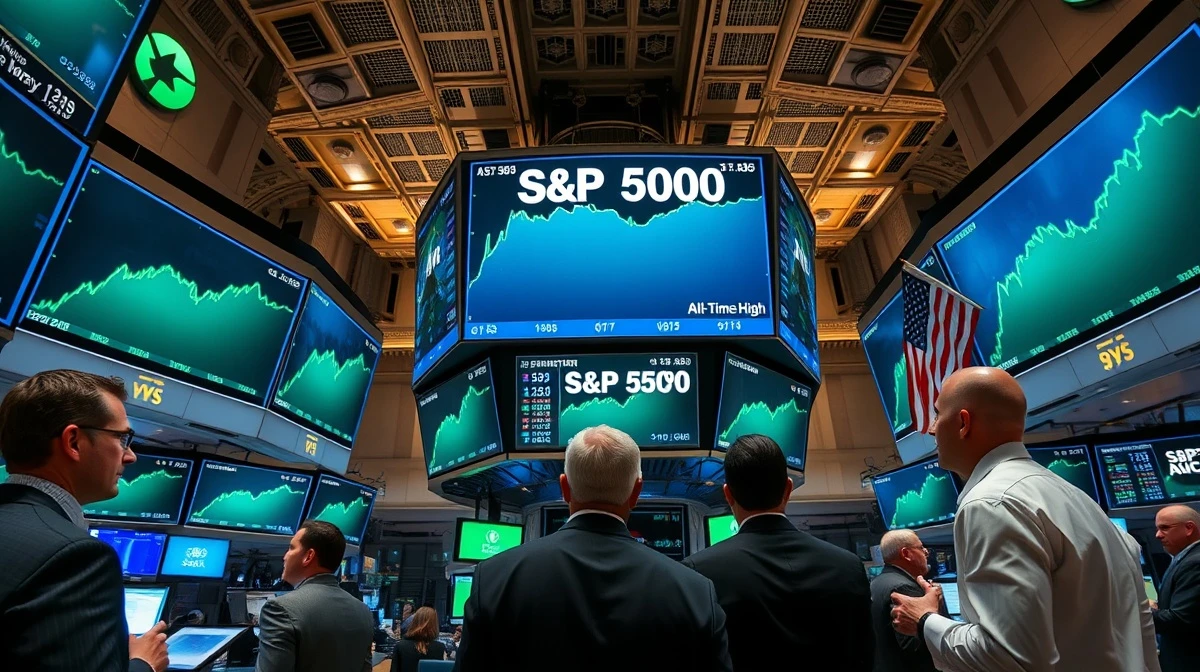
Wall Street rallied sharply on Wednesday, with the S&P 500 and Nasdaq 100 closing at new all-time highs, fueled by a powerful combination of stellar earnings from major technology companies and a sudden drop in crude oil prices tied to emerging hopes for a US-Iran peace agreement. The Dow Jones Industrial Average also rose, reaching its highest level in nearly three months.
Tech Earnings Drive the Rally
The strongest catalyst for Wednesday’s gains came from the technology sector, particularly semiconductor and AI-infrastructure stocks. Advanced Micro Devices (AMD) surged more than 17% after reporting first-quarter revenue of $10.25 billion, beating analyst expectations, and issuing a second-quarter revenue forecast well above consensus. Super Micro Computer (SMCI) jumped over 24% after posting improved margins and a solid profit outlook.
Also read: SpaceX, OpenAI, and Anthropic: The AI IPO Wave That Could Reshape Public Markets
Other chipmakers followed suit. ARM Holdings rose more than 12%, Lam Research gained over 7%, and Nvidia climbed more than 5%. The broad-based rally in tech reflects sustained investor confidence in the artificial intelligence boom, as companies continue to invest heavily in data center infrastructure and computing power.
Oil Prices Plunge on Peace Hopes
A second major factor driving the market higher was a sharp decline in crude oil prices. West Texas Intermediate (WTI) crude fell more than 7% to a two-week low after reports emerged that the United States and Iran are nearing a preliminary agreement to end the ongoing conflict in the region. According to Axios, the two sides are working on a one-page memorandum of understanding that could lead to the gradual reopening of the Strait of Hormuz — a critical chokepoint for global oil shipments — and the lifting of the US blockade on Iranian ports.
Also read: SpaceX IPO Allocation Leaves Binance, Kraken Users Empty-Handed Despite Massive Demand
President Trump commented that “great progress has been made toward a complete and final agreement with representatives of Iran,” though he emphasized that a US blockade of Iranian ports would remain in place until a deal is finalized. China’s top diplomat also called for the swift reopening of the Strait of Hormuz during a meeting with his Iranian counterpart in Beijing.
Lower oil prices are a significant tailwind for the broader economy, reducing input costs for businesses and easing inflationary pressures. The 10-year Treasury yield fell to a one-week low of 4.33% as inflation expectations moderated.
Economic Data and Fed Policy
Wednesday’s economic data provided additional support for stocks. The April ADP employment report showed US companies added 109,000 jobs, below the expected 120,000, which markets interpreted as a dovish signal that the Federal Reserve may be less inclined to raise rates aggressively. However, St. Louis Fed President Alberto Musalem struck a cautious note, warning that inflation remains “meaningfully above our 2% target” and that risks are shifting toward the inflation side.
Despite this, markets are currently pricing in only a 6% chance of a rate cut at the next Federal Reserve meeting in June. The resilience of corporate earnings — 84% of S&P 500 companies that have reported first-quarter results have beaten estimates — continues to underpin investor optimism.
What This Means for Investors
Wednesday’s rally illustrates a market that is being pulled in two directions simultaneously: enthusiasm over the AI-driven earnings cycle and relief from geopolitical tensions that have weighed on energy markets. For investors, the key takeaway is that the rally is broad-based, with airlines, cruise operators, and mining stocks also benefiting from lower fuel costs and higher commodity prices. Energy producers, however, sold off sharply as crude prices tumbled.
The sustainability of this rally will depend on whether the US-Iran talks yield a concrete agreement and whether tech earnings momentum can continue in the face of persistent inflation concerns.
Conclusion
Wednesday’s market action was driven by two powerful forces: blockbuster tech earnings that reinforced the AI narrative, and a sudden drop in oil prices tied to diplomatic progress between the US and Iran. While risks remain — including inflation and the outcome of negotiations — the combination of strong corporate profits and easing geopolitical tensions provided a powerful lift that pushed major indices to new highs. Investors should watch for further developments in the Middle East and the upcoming Fed meeting for clues on the market’s next direction.
FAQs
Q1: Why did the stock market rally on Wednesday?
The rally was driven by two main factors: better-than-expected earnings from major tech companies like AMD and Super Micro Computer, and a sharp drop in oil prices after reports emerged that the US and Iran are nearing a peace deal that could reopen the Strait of Hormuz.
Q2: How did the potential US-Iran peace deal affect markets?
Hopes for a deal caused crude oil prices to fall more than 7%, which lowered fuel costs for airlines and shipping companies, boosted consumer discretionary stocks, and eased inflation expectations, pushing bond yields lower.
Q3: What does the ADP employment report mean for the Federal Reserve?
The April ADP report showed weaker-than-expected job growth, which markets viewed as a sign that the economy may be cooling. This reduces pressure on the Fed to raise rates, though officials remain cautious about inflation running above the 2% target.