
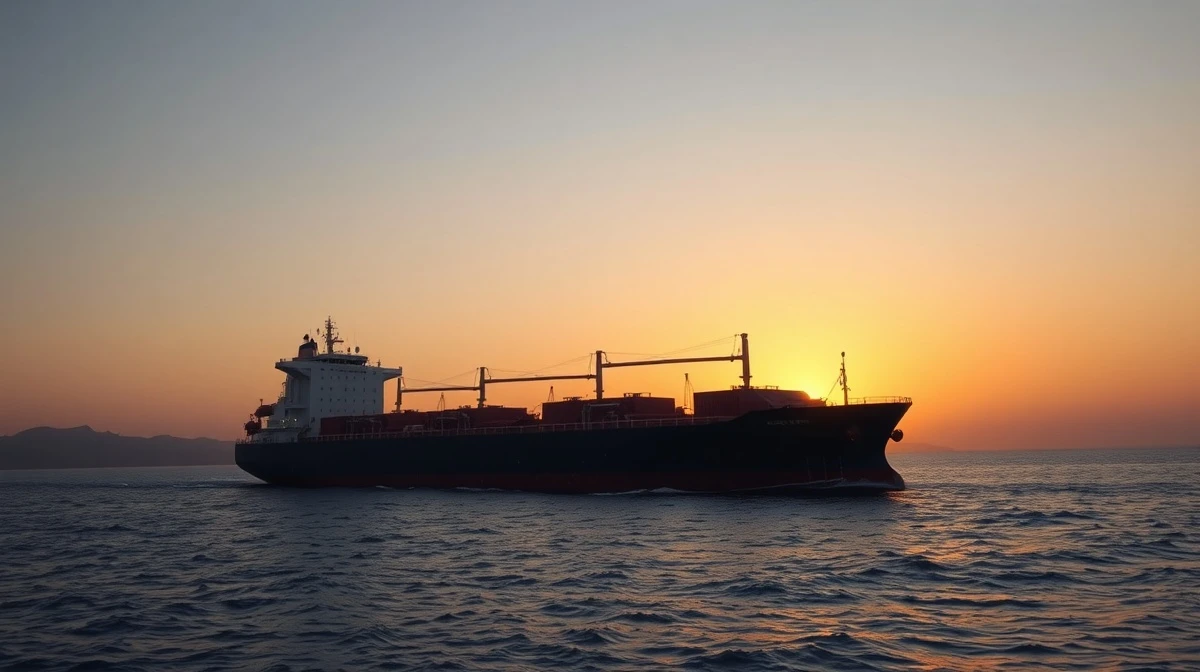
Geopolitical tensions in the Persian Gulf are providing a floor under oil prices, according to a new analysis from ING, as traders weigh the risk of supply disruptions against a backdrop of uncertain global demand. The warning comes as Brent crude trades near $82 per barrel, with the risk premium embedded in the price reflecting ongoing instability in one of the world’s most critical energy transit corridors.
Persian Gulf Risks and Supply Disruption Concerns
ING’s commodity strategists point to a series of escalating flashpoints in the region, including renewed tensions between Iran and Western powers over nuclear negotiations, as well as periodic harassment of commercial shipping by Iranian naval forces in the Strait of Hormuz. Approximately 20% of the world’s oil passes through the 21-mile-wide strait, making any credible threat to its navigability a material risk to global supply.
Also read: Elon Musk’s X settles legal battle with World Federation of Advertisers, ending GARM dispute
The analysts note that while no immediate disruption has occurred, the market has priced in a persistent uncertainty premium. “The risk of a supply outage in the Persian Gulf remains a key support for oil prices,” ING wrote in a note to clients. “Even if a full blockade is unlikely, the mere possibility of intermittent disruptions keeps traders cautious.”
Market Implications and What to Watch Next
For investors and energy market participants, the ING analysis reinforces the importance of monitoring diplomatic developments in the region. A de-escalation — such as a renewed nuclear deal or a reduction in naval patrols — could quickly remove the risk premium, potentially pushing prices lower. Conversely, any overt military incident could send prices sharply higher, with Brent potentially testing $90 per barrel or more.
Also read: Ex-Goldman Sachs Executive Awarded £1.45 Million Over Paternity Leave Stigma
The analysis also intersects with broader market dynamics. OPEC+ is currently managing production cuts aimed at balancing the market, and any supply disruption from the Persian Gulf would complicate those efforts. Meanwhile, demand signals remain mixed: U.S. crude inventories have risen in recent weeks, suggesting softer near-term consumption, while Chinese import data points to resilient demand from the world’s largest crude buyer.
ING’s assessment aligns with similar views from other major banks. Goldman Sachs recently noted that geopolitical risk premiums in oil markets tend to be “self-limiting” — they persist until a clear resolution emerges, but they rarely expand indefinitely without a tangible supply event.
For now, the message for traders is clear: the Persian Gulf remains a key variable in the oil price equation, and any shift in the region’s stability will have immediate consequences for crude benchmarks. As long as tensions persist, the risk premium will likely remain a feature of the market.

