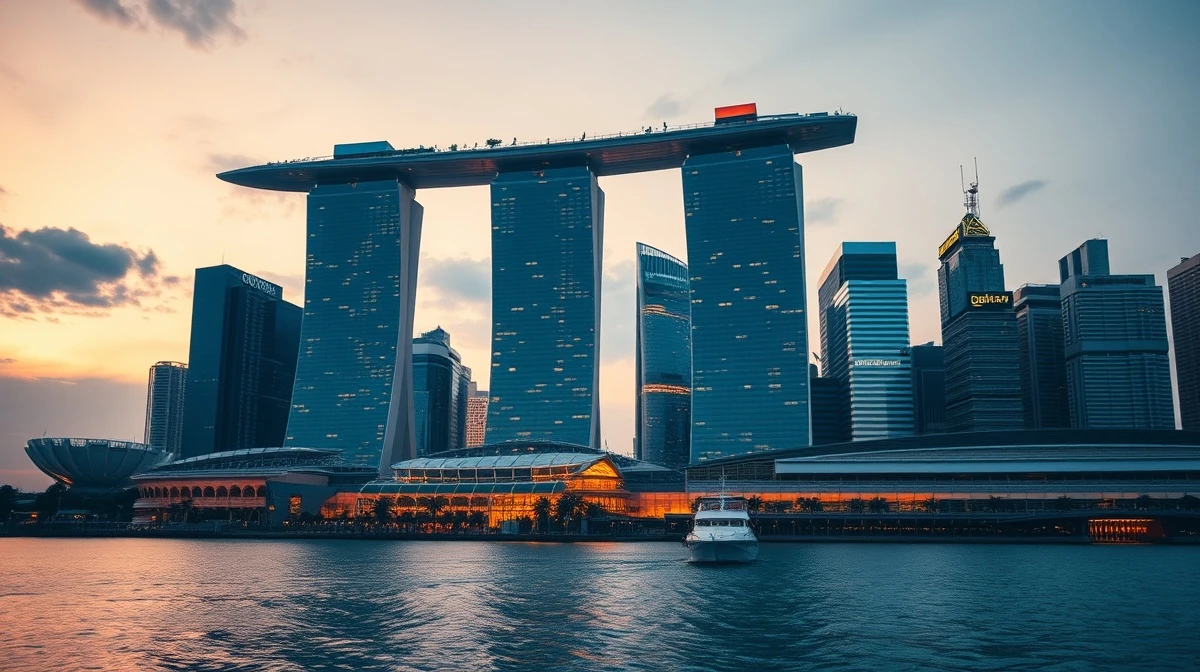
Singapore is considering tax reductions for hedge funds as the city-state grapples with a growing number of portfolio managers relocating to Hong Kong, according to people familiar with the matter. The proposed policy shift, still under internal government review, would lower the corporate tax rate on certain fund management income, potentially to around 10% from the current 17%, in an effort to retain and attract global asset managers.
Rivalry with Hong Kong intensifies
The move underscores an escalating competition between the two Asian financial hubs, which have long vied for dominance in wealth management and capital markets. Hong Kong has recently rolled out its own tax breaks for family offices and hedge funds, including a 0% tax rate on qualifying carried interest, part of a broader push to lure high-net-worth individuals and investment firms away from Singapore.
Also read: Google avoids ad-tech breakup as judge orders operational tweaks instead
Data from the Monetary Authority of Singapore shows the city-state managed S$4.9 trillion (US$3.6 trillion) in assets as of 2023, but the pace of new fund registrations has slowed. Meanwhile, Hong Kong’s Securities and Futures Commission reported a 12% increase in licensed asset managers in 2024, signaling a shift in momentum.
What the tax cuts could look like
Under the proposal being discussed, Singapore would expand its existing Financial Sector Incentive scheme to cover a broader range of hedge fund strategies, including long-short equity and macro funds. Currently, only funds with a minimum size of S$50 million and at least three investment professionals qualify for reduced rates.
Also read: Trump-emblazoned $1 coins go on sale — and the Mint is charging a major mark-up
Industry executives say the current thresholds exclude many smaller but fast-growing firms. “Singapore’s tax regime is competitive, but it has become less so relative to Hong Kong’s recent changes,” said one Singapore-based fund lawyer who spoke on condition of anonymity because the discussions are private. “The government recognizes it needs to recalibrate.”
Broader implications for investors and firms
For hedge fund managers, the choice between Singapore and Hong Kong often hinges on tax, regulatory clarity, and quality of life. Singapore offers political stability and a transparent legal system, while Hong Kong provides proximity to mainland China’s capital markets and a deeper talent pool in certain strategies.
If Singapore proceeds with the cuts, it could prompt a wave of relocations from other Asian financial centers, including Tokyo and Dubai. However, the policy must balance fiscal prudence — Singapore’s government has historically been cautious about eroding its tax base, which funds substantial public housing and healthcare programs.
“This isn’t just about hedge funds,” said Song Seng Wun, an economist at CIMB Private Banking in Singapore. “It’s about sending a signal that Singapore remains open for business and willing to adapt to maintain its edge. The government will weigh the revenue loss against the broader economic benefits of keeping financial talent here.”
What to watch next
The proposal is expected to be debated in parliament during the next budget session in February 2026. Observers will also monitor Hong Kong’s response — the Chinese territory may introduce further incentives, including faster visa processing for fund managers and expanded double-taxation agreements.
For now, the uncertainty is already affecting hiring decisions. A survey by executive search firm Heidrick & Struggles found that 34% of Asia-based hedge fund professionals considered relocating in 2025, up from 22% in 2023, with tax policy cited as the top factor.