The administration of President Donald Trump revoked a waiver permitting Iran to export crude oil, a decision that came just 19 days after the same waiver had been granted. The reversal, announced on March 27, 2026, tightens the US sanctions regime against Tehran and sends a volatile signal to global energy markets.
Background of the Waiver Reversal
The original waiver, issued on March 8, 2026, had allowed certain countries to import Iranian crude without facing US penalties. It was seen as a temporary concession to stabilize global oil markets amid supply disruptions from other producers. However, within less than three weeks, the White House reversed course, citing national security concerns and intelligence indicating that Iran had not complied with related diplomatic agreements.
Also read: Robinson Helicopter lands Army training deal, boosting US manufacturing and defense jobs
This rapid policy shift is unusual. According to Reuters, the Trump administration has used waivers as a tactical tool, but revoking one so quickly suggests a breakdown in the conditions that led to its issuance.
Market and Supply Implications
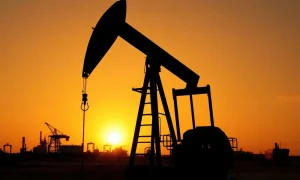
Iran exported approximately 1.5 million barrels per day (bpd) of crude oil in early 2026, with much of that volume flowing to China and other Asian refiners. The revocation of the waiver is expected to cut those exports significantly, potentially removing 500,000 to 1 million bpd from the global market in the short term.
Also read: Walmart finally embraces Apple Pay and Google Pay, ending years of resistance
Analysts at the US Energy Information Administration have noted that any reduction in Iranian supply will tighten the global balance, especially as OPEC+ has been slow to increase output. The price of Brent crude rose 3.2% on the day of the announcement, settling near $82 per barrel.
Geopolitical and Diplomatic Context
The waiver reversal occurs against a backdrop of heightened tensions between the US and Iran. The Trump administration has pursued a policy of maximum economic pressure, aiming to curb Iran’s nuclear program and regional influence. The rapid withdrawal of the waiver signals that Washington is unwilling to tolerate even temporary exceptions to its sanctions regime.
European allies, who had urged the US to maintain the waiver to avoid destabilizing oil markets, expressed disappointment. A spokesperson for the European Union’s foreign policy arm said the decision “risks increasing volatility at a time when the global economy can least afford it.”
What Happens Next
Iranian officials have denounced the move, warning of retaliatory measures that could include disrupting shipping in the Strait of Hormuz. The US has responded by reinforcing naval patrols in the region. Oil traders are now pricing in a risk premium, and some analysts expect crude prices to test $90 per barrel if the supply gap is not filled.
The decision also places pressure on China, the largest buyer of Iranian crude, to either comply with US sanctions or face secondary penalties. Beijing has not yet issued a formal response, but state media have criticized the US for “unilateral bullying.”
Frequently Asked Questions
How long was the Iran oil waiver in effect?
The waiver was in effect for only 19 days, from March 8 to March 27, 2026.
Will this affect gasoline prices in the US?
Indirectly, yes. Higher global crude prices can lead to increased gasoline prices at the pump, though the impact depends on how much supply is actually removed from the market.
What is the Strait of Hormuz and why does it matter?
The Strait of Hormuz is a narrow waterway between Iran and Oman through which about 20% of the world’s oil passes. Any disruption there could spike global oil prices.
Has the US revoked waivers before?
Yes, the US has frequently granted and revoked sanctions waivers as part of its diplomatic and economic pressure campaigns, particularly regarding Iran and Venezuela.