West Texas Intermediate (WTI) crude oil futures jumped nearly 2% on Tuesday, settling above $82 per barrel, as traders reacted to reports of a potential closure of the Strait of Hormuz and a breakdown in already fragile Middle East peace negotiations. The price move, which erased earlier losses, underscores the market’s acute sensitivity to any disruption at the world’s most critical oil transit chokepoint.
Strait of Hormuz: The global energy chokepoint
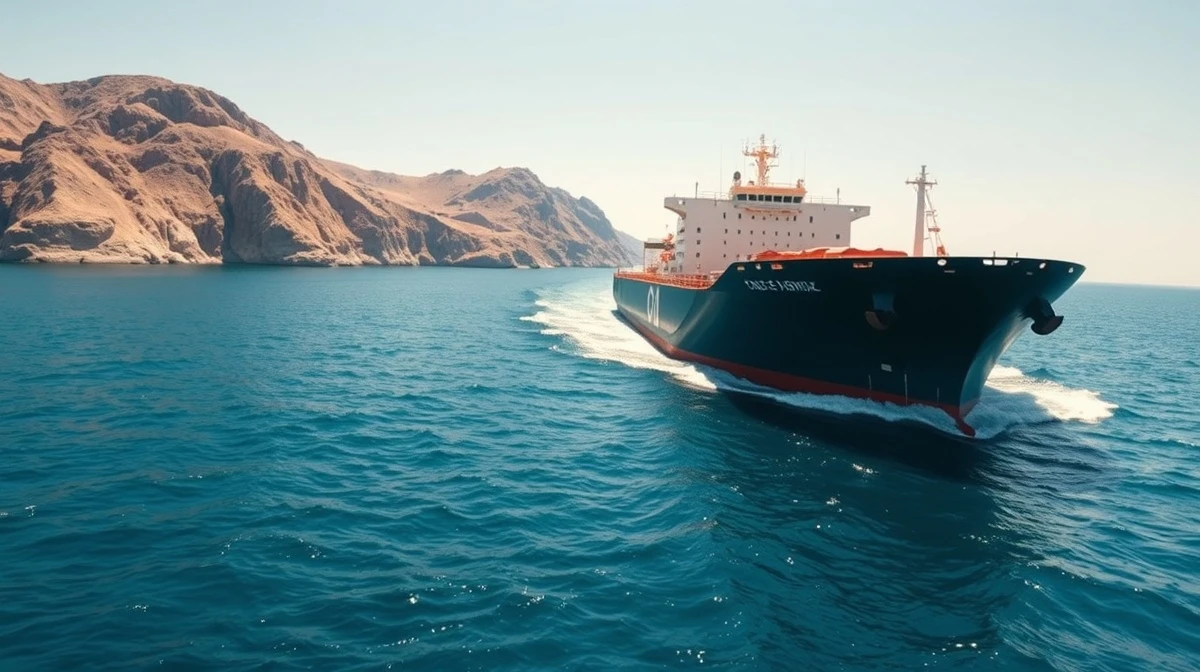
The Strait of Hormuz, a narrow 21-mile-wide waterway between Iran and Oman, is the conduit for roughly 20% of the world’s daily petroleum consumption, according to the U.S. Energy Information Administration (EIA). A closure, even a temporary one, would sever the primary export route for major producers including Saudi Arabia, Iraq, the UAE, Kuwait, and Qatar. The last significant disruption to traffic through the strait occurred during the Iran-Iraq War in the 1980s, a period that saw oil prices spike dramatically.
Also read: New Mexico court orders Meta to pay $567M, impose teen safety limits on Facebook and Instagram
Peace talks hit a wall
The price surge was compounded by reports that regional peace negotiations, which had shown tentative signs of progress earlier this month, have stalled. Diplomats involved in the talks, speaking on condition of anonymity, indicated that a key point of disagreement remains the security of maritime shipping lanes. The market interpreted the lack of a breakthrough as a signal that a diplomatic solution to the underlying tensions is not imminent, increasing the probability of unilateral action.
Market reaction and what comes next
The move in WTI was mirrored by a sharper rise in Brent crude, the international benchmark, which climbed above $86 per barrel. Analysts at Goldman Sachs noted in a client briefing that a full closure of the strait could add $15 to $20 per barrel to global oil prices within a week. However, they cautioned that the current price move reflects risk premium pricing rather than an actual physical supply disruption. Traders are now closely monitoring the U.S. Navy’s Fifth Fleet, based in Bahrain, for any signs of a naval escort operation or heightened military posture in the region.
Also read: Ford needs another Taurus, but the $30K Fathom EV pickup isn't it
For consumers, the immediate impact is likely to be limited to higher prices at the pump if the situation persists. The U.S. Strategic Petroleum Reserve, which was significantly drawn down in 2022, remains at a historically low level, limiting the government’s ability to counteract a sustained price spike through emergency releases.
Frequently Asked Questions
Why did WTI crude oil prices jump today?
Prices rose nearly 2% following unconfirmed reports that the Strait of Hormuz might be closed, combined with a lack of progress in fragile Middle East peace talks.
How much oil passes through the Strait of Hormuz?
Approximately 20% of the world’s total petroleum consumption transits the Strait of Hormuz daily, making it the world’s most important oil chokepoint.
What would a Strait of Hormuz closure mean for global markets?
A prolonged closure would likely send oil prices sharply higher, potentially triggering a global energy crisis and economic slowdown due to supply shortages.