
Shareholder lawsuit accuses Uber board of ignoring safety failures, putting profits first
A Detroit pension fund sues Uber's board over alleged safety and compliance failures, accusing management of prioritizing profits over passenger safety.

· 3 min read
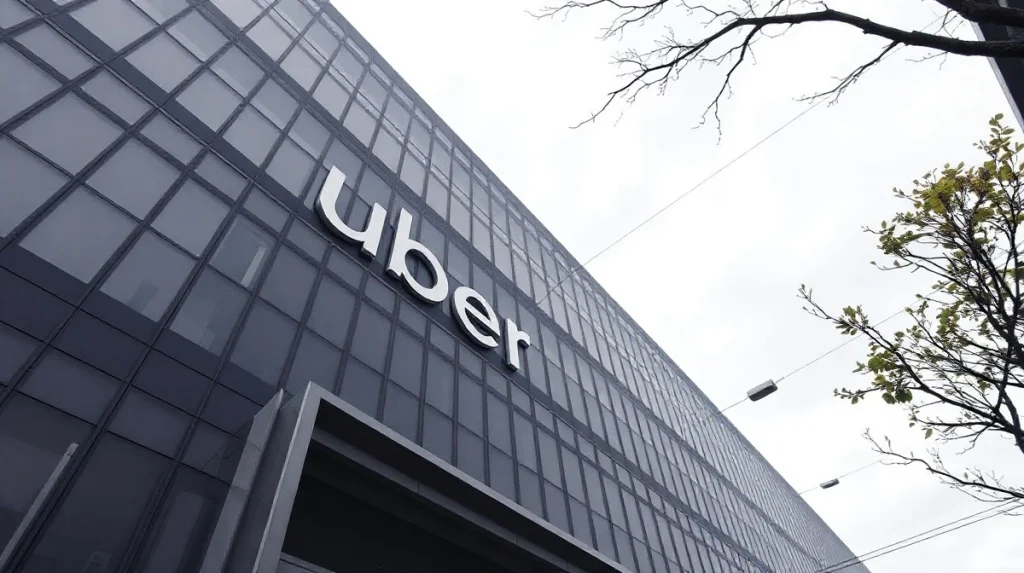
A Detroit pension fund has filed a lawsuit against Uber Technologies Inc.’s board of directors and CEO Dara Khosrowshahi, accusing them of breaching their fiduciary duty by prioritizing profits over passenger safety and compliance. The complaint, filed Monday in the U.S. District Court for the Northern District of California, alleges that Uber is a “serial compliance offender” that has “knowingly” cut corners, leading to thousands of lawsuits from victims alleging sexual assault and harassment by drivers.
Lawsuit details and allegations
The lawsuit, led by the City of Detroit Police and Fire Retirement System, names Khosrowshahi and current and former board members as defendants. It claims that Uber’s leadership ignored repeated warnings about compliance and safety failures, exposing the company and its shareholders to significant legal and financial risk. According to the complaint, “the victims of this lack of compliance culture include sexual assault and harassment victims, customers with disabilities, and unwary consumers looking to subscribe to Uber One.”
Also read: Breakthrough Energy Backs 21 Startups in Sixth Fellows Cohort
The plaintiffs are seeking an order requiring Uber’s leaders to personally compensate the company for the alleged harm, return certain compensation they received, and implement stronger oversight and compliance measures.
Uber’s response
Uber pushed back on the accusations. “This suit ignores important facts and is based on misleading, false narratives from other meritless lawsuits that we have already addressed publicly and in the courtroom,” an Uber spokesperson said in an emailed statement.
Also read: Sanders' 32-Hour Overtime Bill Could Push Employers to AI
Context: Derivative lawsuits on the rise
Derivative lawsuits, where a shareholder sues a company’s directors on behalf of the corporation, are not uncommon. Similar lawsuits have been filed against Adobe, Apple, and Intel this year. The case highlights ongoing scrutiny of Uber’s corporate governance and safety record, which has been a recurring issue for the company since its early years of rapid expansion.
The lawsuit adds to a series of legal challenges Uber has faced related to driver screening, passenger safety, and regulatory compliance. The outcome could have implications for how the company structures its oversight and risk management practices going forward.
Frequently Asked Questions
What is a derivative lawsuit?
A derivative lawsuit is filed by a shareholder on behalf of a corporation against its directors or officers, alleging they harmed the company. Any financial recovery goes to the corporation, not the shareholder directly.
What specific allegations does the lawsuit make against Uber’s board?
The lawsuit alleges that Uber’s board and CEO ignored repeated warnings about safety and compliance failures, including sexual assault and harassment by drivers, in order to prioritize profits and growth.
How has Uber responded to the lawsuit?
An Uber spokesperson said the suit ‘ignores important facts’ and is based on ‘misleading, false narratives from other meritless lawsuits’ that the company has already addressed publicly and in court.

Source: TechCrunch
Benjamin Carter covers business, finance, and the stock market for StockPil, focusing on the trends and data that matter to everyday investors.
More from Benjamin →