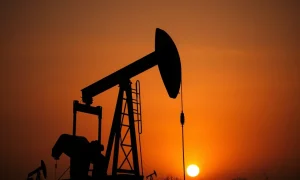
West Texas Intermediate crude fell to near $80.50 per barrel on Tuesday, pulling back from a three-week high as traders locked in profits and shipping traffic through the Strait of Hormuz resumed after a brief disruption, easing supply concerns that had fueled the recent rally.
U.S. crude futures for January delivery dropped about 1.2% in early trading, reversing some of the gains accumulated over the past two sessions. The pullback came as Iran reported that the temporary halt in tanker movements through the strategic waterway had been lifted, allowing normal flow to resume.
Also read: Gold Edges Higher Above $4,100 as Traders Pare Back Fed Rate Hike Bets
Supply Risk Premium Fades as Hormuz Traffic Returns
The Strait of Hormuz, a narrow passage between Oman and Iran, carries roughly 20% of the world’s oil consumption, making it the most critical chokepoint for global crude supply. The brief disruption, triggered by regional tensions, had pushed prices higher as traders priced in the risk of a prolonged outage.
With traffic now returning to normal, the market has quickly shed that risk premium. “The geopolitical premium that was built into prices over the last few days is being unwound,” said John Kilduff, partner at Again Capital LLC. “Traders are taking profits after the run-up, and the resumption of flows through Hormuz is the catalyst.”
Also read: India moves to overhaul UPI’s free-merchant-payment model with new legislation
According to shipping data tracked by Reuters, at least three tankers that had been holding position outside the strait resumed their transit early Tuesday, and no further disruptions have been reported.
Market Focus Shifts to Demand and Inventories
With the immediate supply scare fading, attention is turning back to fundamentals. The American Petroleum Institute is scheduled to release its weekly inventory report later Tuesday, followed by official data from the Energy Information Administration on Wednesday. Analysts polled by The Wall Street Journal expect crude stockpiles to have declined by about 1.5 million barrels last week, which could provide some support to prices.
Demand signals remain mixed. While China’s recent stimulus measures have raised hopes for stronger consumption, refinery run rates in the world’s largest importer have yet to show a significant uptick. Meanwhile, U.S. gasoline demand has been seasonally soft, with the latest EIA data showing implied demand below the five-year average.
OPEC+ is also in focus, with the group’s next meeting scheduled for early December. The alliance is widely expected to extend its current production cuts into the first quarter of 2025, though some members have been pushing for higher output quotas.
What to Watch Next
For traders, the key question is whether the pullback marks the start of a deeper correction or a temporary pause in an uptrend. The $80 level is seen as a psychological support, with the 50-day moving average around $78.50 providing additional technical support.
Geopolitical risks remain, and any renewed tension in the Middle East could quickly reverse the current move. But with the Hormuz disruption resolved for now, the market is likely to trade on inventory data and OPEC+ signals in the near term.
As one London-based oil broker put it: “The market is catching its breath. The question is whether the next push comes from real demand or another headline.”