Crude oil prices reversed a sharp intraday spike on Tuesday, erasing gains that had briefly pushed Brent crude above $85 per barrel, as a fragile ceasefire in the Middle East showed signs of rapid collapse. The pattern — a war-driven surge followed by a fade — has become familiar to traders in recent weeks.
Ceasefire Fails to Hold
The latest truce, brokered late Monday, was meant to pause hostilities between Israeli forces and Hezbollah along the Lebanon border. By Tuesday morning, both sides accused each other of violations, with reports of renewed artillery fire and drone activity. The rapid breakdown mirrored the pattern of several previous ceasefires that failed to take hold since the conflict escalated in late 2025.
For oil markets, the cycle is becoming predictable: headlines of a potential truce trigger a brief sell-off on hopes of reduced geopolitical risk, followed by a sharp rebound when the deal collapses. Tuesday’s session was no exception.
Market Mechanics Behind the Reversal
Brent crude, the international benchmark, climbed as high as $85.20 in early European trading before sliding back to $82.50 by mid-afternoon. West Texas Intermediate (WTI) followed a similar trajectory, peaking near $81.00 before retreating to $78.40.
Also read: US Dollar Index Rebound Stalls Near 100 as Scotiabank Flags Cautious Market Tone
Traders said the initial spike was driven by short-covering and algorithmic buying triggered by news of ceasefire violations. However, the move lacked conviction. Reuters reported that physical crude cargoes in the North Sea and Mediterranean continued trading at levels consistent with a market that has already priced in a prolonged period of elevated risk.
“The market is becoming desensitized to these ceasefire headlines,” said Helima Croft, head of commodity strategy at RBC Capital Markets, in a note to clients. “Each failed truce reinforces the view that this conflict will not be resolved quickly, and the risk premium is already embedded in prices.”
Supply Risks Remain
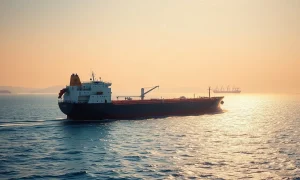
The core concern for oil markets remains the potential for a wider regional conflict that could disrupt supply chokepoints, particularly the Strait of Hormuz, through which about 20% of the world’s oil passes. While no direct threat to shipping has materialized, the risk is being priced incrementally.
Iran, a key backer of Hezbollah, has been a central player in the broader tensions. Any escalation that draws Tehran directly into the conflict could have severe consequences for global oil supply. For now, the market is watching for any signs of diplomatic progress, but the pattern of failed ceasefires is wearing thin.
What This Means for Traders
The repeated ceasefire failures are creating a challenging environment for short-term traders. The intraday volatility on Tuesday was extreme by recent standards, with Brent crude moving in a $3.50 range within a few hours. Options markets are pricing in continued swings, with implied volatility remaining elevated.
For longer-term investors, the message is clearer: the geopolitical risk premium is likely to persist until there is a durable diplomatic resolution. That could mean sustained prices in the $80-$90 range for Brent, absent a major supply disruption or a sudden de-escalation.
The Organization of the Petroleum Exporting Countries and its allies (OPEC+) are scheduled to meet later this month to discuss production levels. Any decision to increase output could help offset supply fears, but the group has so far signaled caution, citing uncertainty over demand and geopolitical risks.
Frequently Asked Questions
Why do oil prices spike and then fall so quickly on ceasefire news?
Markets initially react to headlines of potential peace by pricing in lower risk, but when the ceasefire fails, the move reverses. This pattern has repeated several times, and traders are now pricing in the high probability of failure from the start.
Is the oil market at risk of a major supply disruption?
The risk is elevated but not imminent. The Strait of Hormuz remains open, and no major production has been shut in. However, a wider conflict involving Iran could change that quickly, which is why the risk premium persists.
How should investors position for this volatility?
Short-term traders can profit from the volatility, but the risk of sudden, large moves is high. Longer-term investors may consider hedging with options or maintaining exposure to energy stocks as a portfolio diversifier.
What is the outlook for OPEC+ production decisions?
OPEC+ is expected to maintain its cautious approach at the next meeting, likely keeping production steady. Any decision to increase output would depend on a clear improvement in geopolitical stability or a significant drop in demand.