A senior US official confirmed on Thursday that the newly negotiated accord with Iran includes provisions for the immediate reopening of the Strait of Hormuz and the secure containment of nuclear materials, marking a significant diplomatic breakthrough after months of stalled talks.
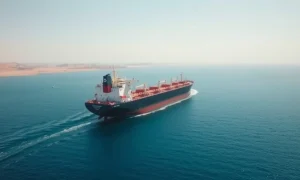
The official, speaking on condition of anonymity due to the sensitivity of the ongoing negotiations, stated that the agreement addresses two critical flashpoints: the free passage of commercial shipping through the strategic waterway and the monitoring of enriched uranium stockpiles by international inspectors. The Strait of Hormuz, a narrow channel between Oman and Iran, sees the transit of roughly 20% of the world’s oil supply daily.
Also read: Apollo targets Japanese life insurer acquisition to expand Asia footprint
Immediate Implications for Global Energy Markets
The announcement sent oil prices lower in early trading, with Brent crude falling by more than 3% to $78 per barrel as traders priced in the reduced risk of supply disruptions. Analysts at Goldman Sachs noted in a client brief that the reopening of the strait removes a key geopolitical risk premium that had been built into crude prices since April.
Shipping companies had rerouted vessels or purchased additional war-risk insurance in recent weeks. The accord is expected to restore normal traffic patterns and lower shipping costs for oil and liquefied natural gas shipments heading to Asian and European markets.
Also read: Singapore's Temasek aims to build an Asian asset management giant with Seviora merger
Nuclear Material Safeguards
Under the terms of the agreement, Iran has committed to allowing the International Atomic Energy Agency (IAEA) access to all declared nuclear sites, including enrichment facilities at Natanz and Fordow. The senior official emphasized that the accord does not dismantle Iran’s nuclear infrastructure but places it under enhanced monitoring.
“This is not a capstone deal, but a concrete step to reduce immediate risks,” the official said. “The nuclear material will be secured, and inspectors will have the tools they need to verify compliance.”
Iranian state media has not yet confirmed the full details, but Foreign Minister Abbas Araghchi described the negotiations as “constructive” in a post on X earlier this week.
Broader Diplomatic Context
The accord comes after indirect talks mediated by Oman and Qatar, with the US and Iran exchanging written proposals through European intermediaries. The Biden administration had faced domestic pressure to address both the economic impact of Hormuz disruptions and the nonproliferation risks posed by Iran’s advancing enrichment capabilities.
Republican lawmakers criticized the deal as insufficient, with Senator Tom Cotton (R-AR) calling it “a temporary Band-Aid on a failing policy.” The White House countered that the agreement is a necessary confidence-building measure that could pave the way for broader negotiations on Iran’s ballistic missile program and regional activities.
Regional allies, including Saudi Arabia and the United Arab Emirates, have welcomed the reopening of the strait but expressed caution about the long-term durability of the arrangement. Both nations have invested heavily in alternative pipeline routes and energy diversification in recent years.