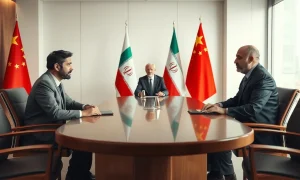
Iranian negotiators suspended high-stakes nuclear talks with the United States in Switzerland on Tuesday, according to reports from Iranian state media, halting the latest diplomatic push to revive the 2015 Joint Comprehensive Plan of Action (JCPOA).
The talks, which had been ongoing for several days in a neutral Swiss venue, were intended to bridge differences over sanctions relief and uranium enrichment limits. Iranian state news agency IRNA cited unresolved disagreements as the reason for the suspension, though it did not provide specific details on which points remained deadlocked.
Also read: Kudlow: Democratic Socialism's Affordability Claim Collapses Under Inflation Record
What Led to the Suspension
Diplomats familiar with the discussions told Reuters that the talks had made progress on technical issues but stalled on political commitments, particularly regarding the scope of sanctions the United States would lift and the verification mechanisms Iran would accept. The US State Department has not issued an official statement on the suspension as of Tuesday evening.
The negotiations in Switzerland were the first direct talks between Iranian and American officials since early 2024. Previous rounds had been held indirectly through European intermediaries. The decision to hold direct talks was seen as a positive signal, but Tuesday’s suspension underscores the deep mistrust that remains between the two nations.
Also read: New Mexico court orders Meta to pay $567M, impose teen safety limits on Facebook and Instagram
Broader Implications for the Nuclear Deal
The JCPOA, signed in 2015 between Iran and the P5+1 (the US, UK, France, Russia, China, and Germany), limited Iran’s uranium enrichment in exchange for sanctions relief. The US withdrew from the deal in 2018 under the Trump administration, and Iran subsequently began enriching uranium to levels far beyond the deal’s limits.
International Atomic Energy Agency (IAEA) inspectors have reported that Iran’s enriched uranium stockpile now exceeds 4,000 kilograms, with some material enriched to 60% purity — close to weapons-grade levels. The IAEA has called for renewed diplomatic engagement to prevent further escalation.
The suspension of talks leaves the JCPOA’s revival in doubt. European signatories to the deal have urged both sides to return to the negotiating table, warning that failure to reach an agreement could lead to increased tensions in the Middle East.
Frequently Asked Questions
Why did Iran suspend the nuclear talks with the US?
Iranian state media cited unresolved differences over sanctions relief and nuclear enrichment limits as the primary reasons for the suspension.
Where did the suspended US-Iran talks take place?
The negotiations were held in Switzerland, a neutral country that has historically hosted diplomatic talks between the two nations.
What is the status of the 2015 Iran nuclear deal?
The deal, known as the JCPOA, has been in limbo since the US withdrew in 2018. The suspended talks were part of efforts to revive the agreement.
What happens next after the suspension of talks?
No new date for resuming negotiations has been set. Diplomatic channels remain open, but the suspension represents a significant setback.