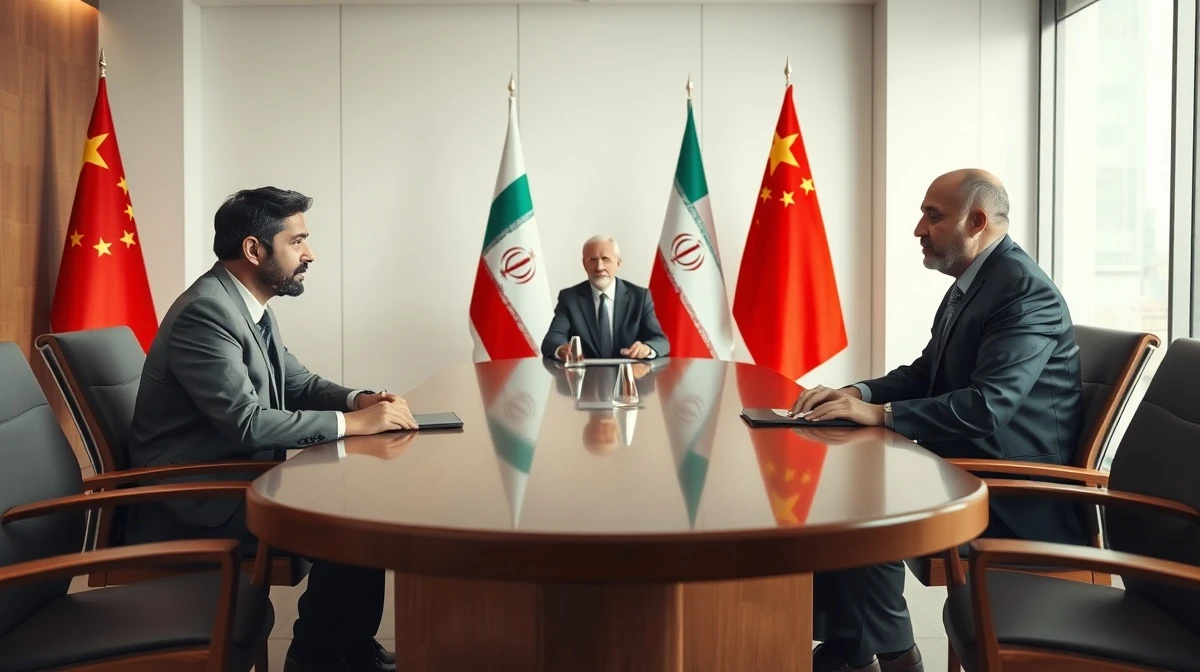
Pakistan and Iran have entered preliminary discussions about restarting nuclear negotiations with the United States, with China offering to serve as a mediator, according to diplomatic sources familiar with the matter. The talks, which began in early June 2026, represent the most significant diplomatic effort in over a year to address the deadlock over Iran’s nuclear program.
The initiative comes as Iran’s uranium enrichment levels approach 90%, a threshold that weapons experts say is sufficient for a nuclear weapon. The United States has repeatedly stated its willingness to return to negotiations but has insisted on direct talks without preconditions. Iran, meanwhile, has demanded the lifting of all sanctions before any formal engagement.
Also read: Singapore weighs hedge fund tax cuts to rival Hong Kong
China’s mediation role and regional dynamics
China’s involvement in the Pakistan-Iran-US talks is a natural extension of its growing diplomatic footprint in the Middle East. Beijing brokered a landmark rapprochement between Saudi Arabia and Iran in 2023, demonstrating its ability to mediate between regional rivals. Pakistan, a close ally of China and a neighbor of Iran, serves as a credible interlocutor for both sides.
“China has a vested interest in stability along its western flank,” said Dr. Farhan Bokhari, a political analyst based in Islamabad. “The Belt and Road Initiative passes through both Pakistan and Iran, and any conflict in the region threatens billions of dollars in Chinese infrastructure investments.”
Also read: Banks Are Riding a Tech Boom: Why Lenders Are Enjoying a Surge
Pakistan’s role is also shaped by its own energy needs. Iran has offered Pakistan discounted oil and gas in exchange for diplomatic support, a deal that could ease Pakistan’s chronic energy shortages. However, Pakistan must balance this with its relationship with Saudi Arabia, a key economic partner and rival of Iran.
What’s at stake for global markets and energy security
The resumption of US-Iran nuclear talks could have significant implications for global energy markets. Iran holds the world’s fourth-largest oil reserves, and the removal of sanctions could add 1.5 million barrels per day to global supply, according to the International Energy Agency. That would likely push crude prices lower, benefiting oil-importing nations but pressuring producers like Saudi Arabia and Russia.
However, the path to a deal remains fraught. Iran has accelerated its nuclear program since the collapse of the 2015 Joint Comprehensive Plan of Action (JCPOA), and the United States has imposed additional sanctions on Iranian entities. The International Atomic Energy Agency (IAEA) reported in May 2026 that Iran has enriched uranium to 84% purity, just short of weapons-grade.
“The window for diplomacy is narrowing,” said Ali Vaez, Iran project director at the International Crisis Group. “If Iran crosses the weapons-grade threshold, the calculus changes entirely for the US and its allies.”
Next steps and potential timeline
Diplomatic sources say the next phase of talks could involve a trilateral meeting in Beijing later this month, with Pakistani and Iranian officials meeting Chinese mediators. The United States has not yet confirmed its participation but has indicated openness to indirect talks through Chinese intermediaries.
For investors, the key dates to watch are the IAEA Board of Governors meeting in September 2026, where Iran’s compliance will be reviewed, and the US presidential election in November 2026, which could shift Washington’s approach to negotiations.
The Pakistan-Iran initiative is still in its early stages, and skepticism remains high among Western diplomats who have seen previous efforts fail. But with China’s diplomatic weight behind it and the threat of a nuclear-armed Iran growing, the talks represent one of the few remaining avenues for a peaceful resolution.