
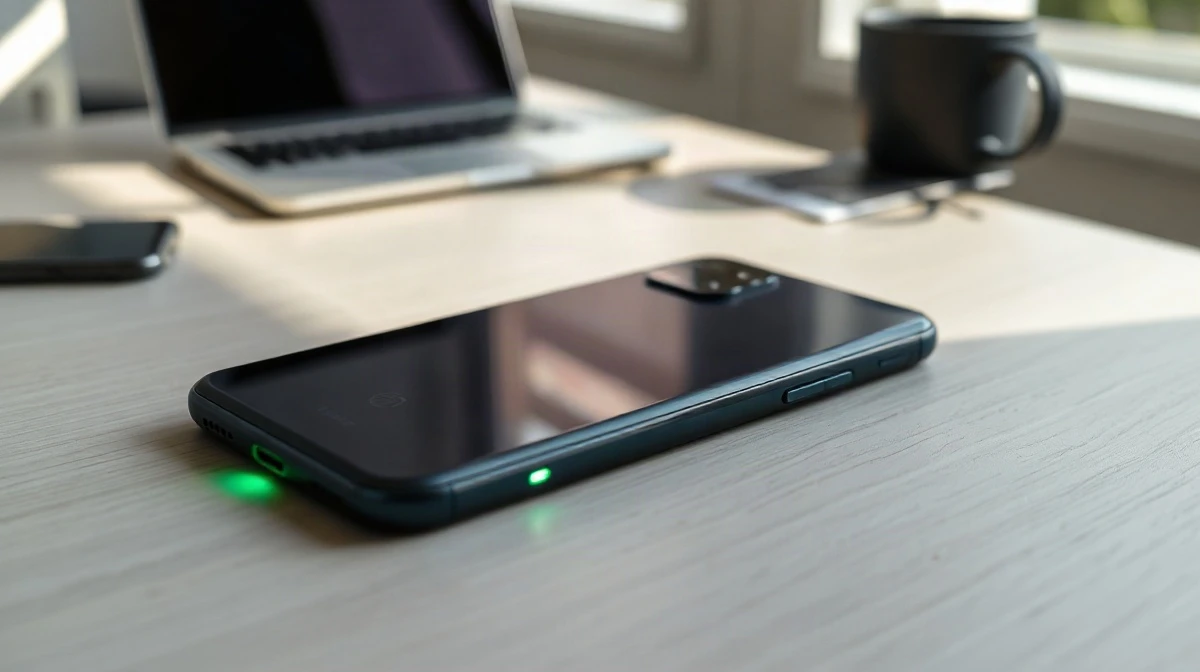
Google’s Pixel 11 Pro XL, which went on sale earlier this month starting at $1,199 for the 256GB model, is a phone that doesn’t scream for attention. After a week with the Obsidian review unit, the most striking thing about it is how familiar it feels — the design is nearly identical to the Pixel 10 Pro XL, and the biggest new additions are a small LED light on the back and an AI dictation tool called Rambler. That’s not necessarily a bad thing, but it does make the Pixel 11 Pro XL feel more like a polished refresh than a generational leap.
Rambler is the standout feature
Rambler, which uses on-device AI to transcribe speech while stripping out filler words like “um” and “ah,” is the most compelling reason to consider the Pixel 11 Pro XL. The tool handles noisy environments and switches between languages without missing a beat. I’ve been using dictation apps like Wispr and Willow for the past year, and Google’s implementation is on par with the best of them — it’s so accurate that I dictated this section without needing edits.
Also read: US battery startups find a new lifeline: defense contracts and DOE grants
The feature feels like a genuine productivity win, especially for anyone who frequently sends emails or takes notes by voice. It’s the kind of tool that could become a daily habit, unlike some of the other AI features that feel more like demos.
Gemini gets more proactive, but still has gaps
The Pixel 11 Pro XL ships with Google’s latest Gemini assistant, including a new Proactive Suggestions mode that surfaces context-aware suggestions from apps. In my testing, it showed up when friends asked about my schedule over text, pulling availability from my Google Calendar. But it didn’t work when someone asked for my address — Gemini failed to pull it from my email, which was a missed opportunity.
Also read: Senator Wyden asks U.S. watchdog to investigate federal use of hacking tools and spyware
Gemini’s agentic capabilities, like placing food orders, are only available in the U.S., and since I’m based in India, I couldn’t test them. The new Live Translate feature, which provides real-time captions for live streams and videos, is useful but requires downloading specific language packs.
HiLight: a clever idea with limited use
Google’s marketing this year emphasized making you look at your screen less, and the hardware expression of that is HiLight — a small LED light on the back that replaced last year’s temperature sensor. It glows in green, yellow, pink, purple, or white to signal calls from favorite contacts or when Gemini is listening or processing.
The light looks cool when active, but its utility is narrow. It doesn’t work for text messages or other app notifications, which feels like a missed opportunity. You can always set a special ringtone for favorite callers, so the light’s value is limited to situations where your phone is face down and you’re not wearing earbuds. It’s a feature ripe for future customization — I’d love to assign colors to different apps — but right now it’s more of a novelty than a necessity.
Cameras are snappier, but the big changes are under the hood
Google upgraded the main and telephoto sensors on the Pixel 11 Pro XL to larger sizes, which should let in more light and capture more detail. On paper, that’s a meaningful change, but in practice, the most noticeable difference is speed. The camera app feels snappier, and Night Sight is noticeably faster, reducing the time you need to hold the phone steady in low light.
The new Looks feature, which replaces traditional filters, is a standout addition. There are four default looks — original, natural, shadows, and vanilla — plus a range of others like editorial, classic, digi, black tie, and minimal. These aren’t just filters; they alter the computational photography pipeline, giving you more control over the final image. The one-touch quick access controls are also customizable, so I could swap white balance for ISO and access Looks directly.
Magic Capture, another new feature, lets you record a video clip and then uses AI to pull out top moments as 12-megapixel photos. It’s great for capturing wiggly pets or action shots, though it struggles with moving subjects. I’ve already used it to snap a photo of my cat chasing a feather.
Price and the upgrade dilemma
The Pixel 11 Pro XL carries a $100 price increase over last year’s model, and Google dropped the 128GB base storage option, starting at 256GB. The Pixel 11 and Pixel 11 Pro keep the same price as their predecessors, but both saw RAM reduced from 16GB to 12GB.
That combination — higher price and trimmed specs — makes the Pixel 11 Pro XL a tough sell for anyone with a Pixel 10 Pro XL. The camera improvements are real, and Rambler is genuinely useful, but those features may eventually trickle down to older Pixels via feature drops. For now, the Pixel 11 Pro XL is a solid, refined phone that doesn’t offer a compelling reason to upgrade unless you’re coming from a much older device.
Disclaimer: This review reflects the author’s hands-on experience with a review unit. Prices and features are subject to change, and this article does not constitute financial advice. The smartphone market is competitive and rapidly evolving, so prospective buyers should consider their own needs and budget before making a purchase.

