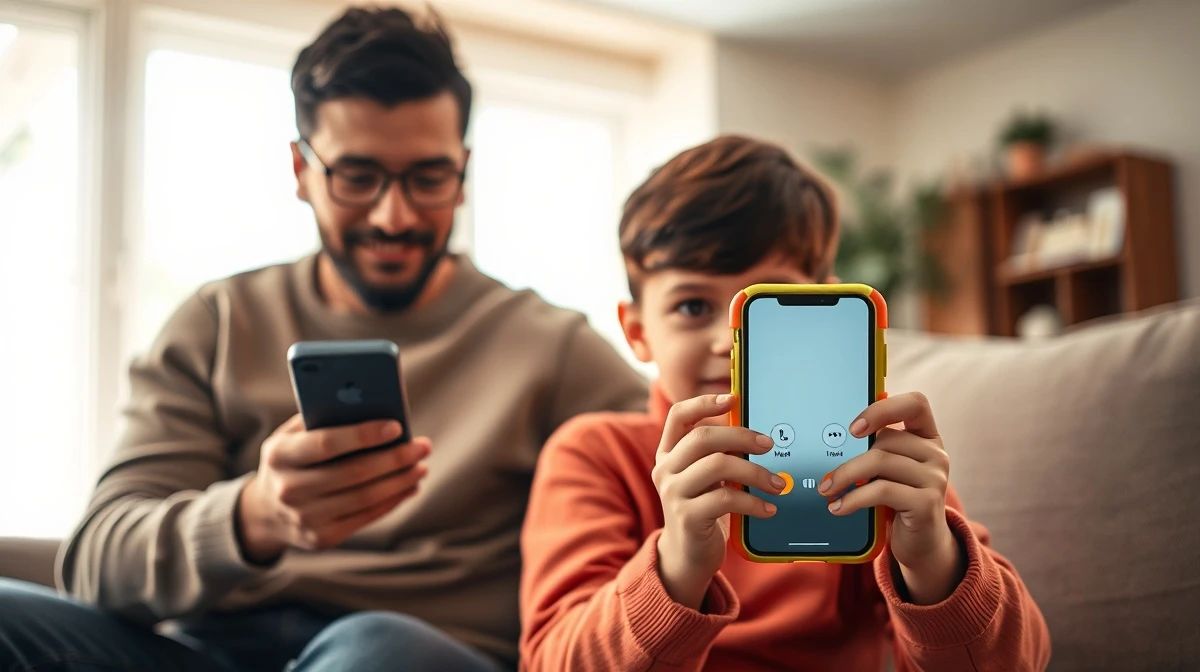
Parents across the United States are increasingly concerned about the risks of giving children unrestricted access to smartphones — including social media, web browsers, and app stores. In response, a growing number of companies are developing devices specifically designed for kids, with heavily modified software that limits functionality while maintaining essential communication tools. The market now includes at least six major players offering solutions ranging from fully monitored smartphones to minimalist home phones.
How Kid-Safe Phones Work
Today’s kid-friendly phones typically feature touchscreens, cameras, and communication capabilities similar to regular smartphones. However, the software is heavily modified to remove or restrict access to web browsers, social media, app stores, and other distractions. Parents can manage these devices through a companion app, allowing them to approve contacts, monitor locations, set screen time limits, select available apps, and, in some cases, receive alerts regarding cyberbullying, explicit content, or online predators. In addition to these modified devices, some companies offer a more minimalist approach, creating devices that focus solely on calling and texting. There are also home phones designed specifically for children, like Tin Can and the recently launched Pinwheel Home.
Also read: US military disables ad tracking on troops' devices to counter location-based threats
The Major Players in the Kid-Phone Market
Bark Phone
The Bark Phone is one of the most popular kid-specific smartphones on the market. Built on Samsung Galaxy hardware and powered by Bark’s monitoring software, it only allows calls and texts with approved contacts. Bark continuously scans texts, emails, photos, and supported apps for signs of cyberbullying, grooming, suicidal ideation, sexual content, and other potential concerns, then sends alerts to parents. A standout feature is that parents can gradually unlock web browsing, apps, and other features as their child matures. The phone also includes GPS tracking and screen-time management. Current pricing for the standard model is $240, plus a required wireless plan beginning at $29 per month. Higher-tier plans add internet access and unlimited texting.
Gabb
Gabb is a well-known name in the kid-friendly phone category. Unlike Bark, Gabb focuses less on monitoring content and more on eliminating online risks altogether. Its phones don’t include social media, a browser, or an app store. Instead, children get calling, texting, and a carefully curated selection of preloaded apps, including a camera, calendar, and calculator. The company also touts its “worry-free” music streaming library with millions of songs. Parents can view location and manage certain device settings, while optional services such as “Gabb Guard” help block spam calls and unwanted texts. Current phone pricing starts around $159.99, with cellular service starting around $24.99 per month.
Also read: Judge blocks X rival from using Twitter name, but allows ‘Tweet’ for now
Pinwheel
With Pinwheel, parents approve every app, control contacts, schedule screen time, create custom routines, and monitor location history. One standout feature is the ability to create different “modes” throughout the day — for example, limiting the phone to calling and navigation during school hours before unlocking additional features after homework. Pinwheel phones start around $119, while the Caregiver Portal subscription begins at $14.99 per month without cell service. Cellular service can be purchased separately through participating carriers. The company recently launched two landline phones for $68 and $79, and also offers a smartwatch at $160.
Teracube Thrive
Launched in 2022, Teracube offers a tailored version of Android known as Thrive OS. This enables parents to approve every app download, filter web browsing, set app-specific and overall screen-time limits, monitor location, and create customized routines for school or bedtime. However, because it has more traditional smartphone features, it’s often recommended for older children. Thrive currently sells for $99, with plans starting at $35 per month.
Ooma MyPhone and Tin Can
Unlike the other products, Ooma MyPhone is not a mobile phone at all. This kid-focused home phone is designed as a modern replacement for the traditional household landline. The service allows calls only between approved contacts through its Trusted Circle feature, offers scheduled Quiet Hours, provides address-based 911 service, sends emergency alerts when 911 is dialed, and lets parents review call logs through an online portal. There are no apps, internet browsing, texting, or social media. The phone costs $99.99, while service starts at $7.99 per month.
For $100, Tin Can resembles a landline phone with a distinctive tin can design. This device does not require a traditional phone jack, but connects via Wi-Fi. Only approved contacts can make calls, effectively preventing spam or unauthorized communications. Parents can easily manage contacts through a user-friendly companion app. Tin Can offers a free plan for calling other Tin Can users, as well as a $9.99 per month plan that allows calls to all approved contacts.
What This Means for Parents
The proliferation of kid-safe phones reflects a broader shift in how families approach digital safety. Rather than simply restricting access through parental controls on standard devices, many parents are now opting for hardware that is fundamentally designed to limit risk. The market is likely to continue expanding as regulatory pressure grows — several U.S. states have proposed or passed legislation aimed at restricting children’s access to social media, which could further accelerate demand for devices that inherently block such platforms. For parents evaluating options, the choice often comes down to whether they prefer a monitoring-based approach (like Bark) or a device that eliminates risk by design (like Gabb or Pinwheel). The right solution depends on the child’s age, maturity, and specific needs.


Warning: Attempt to read property "term_id" on false in /www/wwwroot/stockpil.com/wp-content/themes/flex-mag/functions.php on line 998