WASHINGTON — The National Highway Traffic Safety Administration issued a direct ultimatum to autonomous vehicle developers this week, demanding they immediately address the inability of robotaxis to detect and respond to emergency scenes involving first responders and law enforcement. NHTSA Administrator Jonathan Morrison sent a letter to every AV developer listed in the Department of Transportation’s Standing General Order, calling such failures a “functional insufficiency” and ordering companies to present solutions by the end of the month.
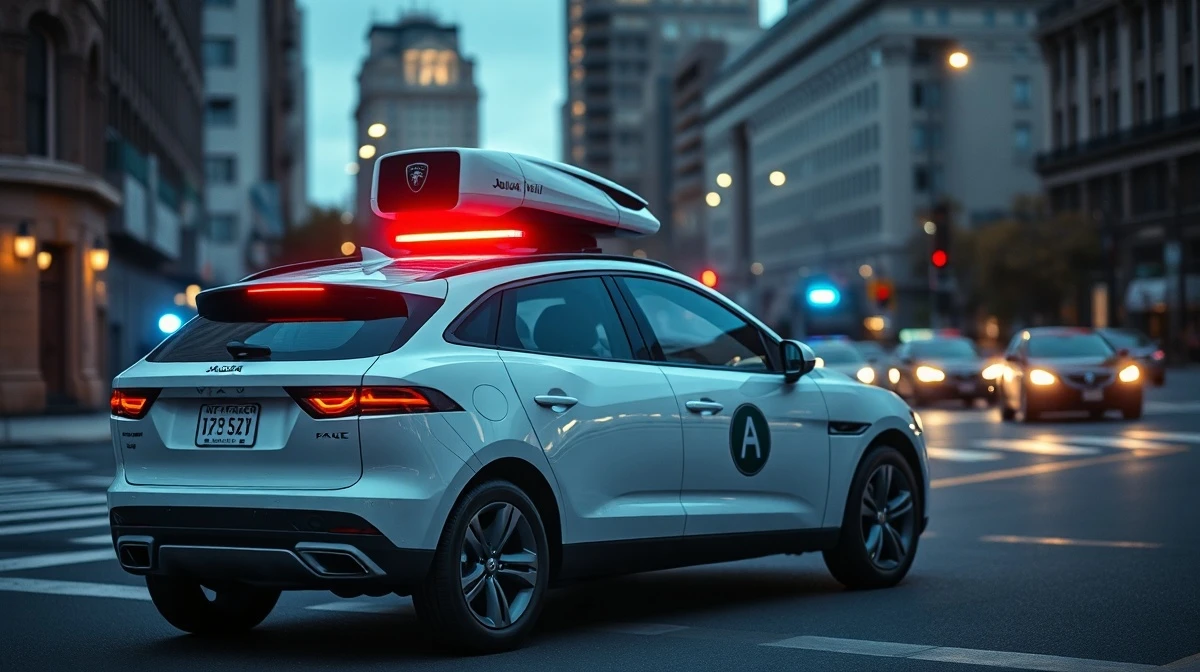
While Morrison’s letter did not single out any specific company, it comes after a TechCrunch investigation found that Waymo robotaxis have repeatedly driven into active emergency scenes in San Francisco, Los Angeles, and Phoenix. The company operates the largest robotaxi fleet in the United States, with vehicles in cities including Los Angeles, Phoenix, and San Francisco.
The NHTSA directive arrives amid growing tension between Uber and Waymo, two companies that have partnered on robotaxi services in Phoenix, Atlanta, and Austin. The Phoenix partnership recently ended, leaving questions about when the remaining agreements will dissolve. Uber executives have taken increasingly pointed shots at Waymo, and industry observers expect more direct competition once the partnerships fully unwind.
Federal regulatory shifts could benefit steering-wheel-less vehicles
Separately, the newly released 2026 Regulatory Plan and Unified Agenda includes proposed changes to Federal Motor Vehicle Safety Standards that govern vehicle design and equipment requirements. These changes could help autonomous vehicle companies like Tesla and Zoox, which are developing vehicles without steering wheels, pedals, or other features required on human-driven cars.
Also read: Even Realities G2 review: Smart glasses without a camera bet on productivity over recording
The regulatory developments come as San Francisco Supervisor Bilal Mahmood announced plans to submit a letter of inquiry examining how autonomous vehicles affected public transit and emergency responders following a July 4 fireworks show that caused massive gridlock. Local news outlets reported that numerous Waymo robotaxis had to be towed after running out of power during the traffic jam.
Rivian raises $1.32 billion amid production ramp
In other transportation news, Rivian raised $1.32 billion through the sale of 86.25 million Class A common shares priced at $15.50 each, including additional shares purchased by underwriters. The raise comes as the EV maker begins delivering its new R2 SUV and raises its 2026 sales forecast to between 65,000 and 70,000 vehicles after outperforming expectations in the second quarter.
Rivian did not specify the reason for the capital raise, but the company is not yet profitable and scaling production of the R2 — or any vehicle — requires significant investment.
Other notable developments
Lyft announced plans to acquire Serveo’s bike-share business in Spain, with the deal expected to close this year. Terms were not disclosed. Meanwhile, AssuranceAmerica confirmed a data breach affecting the personal information and driver’s license numbers of 6.9 million people, making it the largest known spill of Americans’ driver’s license information this year.
Beta Technologies completed operational flights under the FAA’s new eVTOL Integration Pilot Program, covering about 275 nautical miles across Virginia and Maryland. Manna Aero, the Ireland-based autonomous drone delivery startup, announced plans to build a factory and operations center in Tulsa, Oklahoma, that it says will employ 1,000 people in the next few years.
Frequently Asked Questions
What did NHTSA’s directive say about autonomous vehicles and first responders?
NHTSA Administrator Jonathan Morrison stated that autonomous vehicles’ inability to detect and respond to emergency scenes is unacceptable and represents a ‘functional insufficiency.’ He ordered all AV developers to focus resources on fixing this issue immediately.
Why is the directive seen as targeting Waymo specifically?
While Morrison’s letter did not name any company, a previous TechCrunch investigation found that Waymo’s robotaxis have had repeated run-ins with first responders in cities like San Francisco, Los Angeles, and Phoenix. Waymo operates the largest robotaxi fleet in the U.S.
What happened with the Uber-Waymo partnership in Phoenix?
The Uber-Waymo robotaxi service partnership in Phoenix has ended. The companies still have partnerships in Atlanta and Austin, but questions remain about when those agreements will also conclude.
How much capital did Rivian raise and why?
Rivian raised $1.32 billion through the sale of 86.25 million Class A common shares at $15.50 each. The company did not specify the reason, but it is not yet profitable and scaling production of its new R2 SUV requires significant capital.
What changes are proposed in the 2026 Regulatory Plan for autonomous vehicles?
The 2026 Regulatory Plan and Unified Agenda includes proposed changes to Federal Motor Vehicle Safety Standards that could help companies like Tesla and Zoox develop vehicles without steering wheels, pedals, or other features required on human-driven cars.