
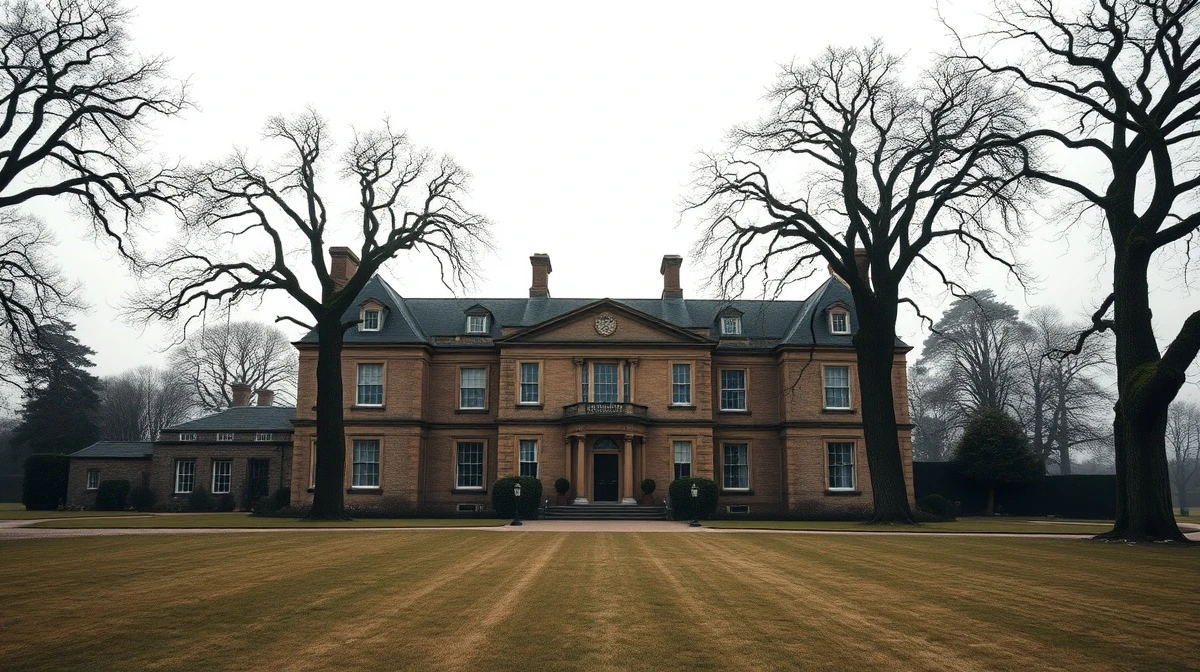
The financial world is closely watching the unfolding details of the £10bn Schroder family sale, a transaction that represents one of the most significant wealth transfers in recent British financial history. The deal, which involves the sale of a substantial portion of the family’s stake in the Schroders asset management firm, is reshaping the sector of private wealth and institutional investment.
The Schroder Legacy and the Sale Structure
The Schroder family has been a cornerstone of British finance for over two centuries. Their eponymous firm, Schroders plc, manages more than £700bn in assets globally. The £10bn sale involves the family reducing its controlling interest, a move that has been in discussion for several years as part of a broader succession and diversification strategy. The transaction is structured as a combination of a block trade to institutional investors and a secondary offering, allowing the family to monetize a portion of their holdings while retaining a significant stake. The deal is expected to close by the end of the third quarter, pending regulatory approvals.
Also read: How to Surf Turbulent Markets: A Guide for Investors
Blissful Ignorance at Milken: A Contrast in Market Sentiment
While the Schroder sale signals a sober, strategic shift in one of Europe’s oldest financial dynasties, the mood at the recent Milken Institute conference in London painted a very different picture. Attendees described an atmosphere of ‘blissful ignorance’ regarding macroeconomic risks, with dealmakers and asset managers expressing unusually high optimism about private markets and alternative assets. This divergence in sentiment is noteworthy: the Schroder family is taking a cautious, liquidity-focused approach, while many at Milken are doubling down on riskier, less liquid investments. The contrast highlights a growing bifurcation in the wealth management industry between traditional, conservative family offices and the new wave of aggressive institutional capital.
Soaring US Market Concentration: A Systemic Risk?
Adding to the complexity, the US equity market is experiencing remarkable concentration. The top five technology stocks now account for over 25% of the S&P 500’s total market capitalization, a level not seen since the dot-com bubble. For wealth managers like Schroders, this concentration poses a significant portfolio construction challenge. Diversification, the bedrock of modern portfolio theory, is becoming harder to achieve when a handful of stocks dominate index returns. The Schroder family’s decision to sell may partly reflect a strategic de-risking in anticipation of a market correction or a prolonged period of underperformance for large-cap US equities. Analysts suggest that family offices and institutional investors are increasingly looking to private equity, infrastructure, and real assets to reduce their exposure to this concentration risk.
Also read: Gold edges lower to near $4,150 as US–Iran peace uncertainty and hawkish Fed signals weigh
The London Wine Fair: A Barometer for Luxury Assets
In a separate but telling development, the London Wine Fair reported strong attendance and resilient trading volumes, particularly for fine wines from Bordeaux and Burgundy. Wine, as an alternative asset class, has seen renewed interest from family offices and high-net-worth individuals seeking tangible assets with low correlation to public markets. The fair’s success underscores a broader trend: wealthy families are diversifying beyond traditional financial assets into collectibles, art, and wine. This trend aligns with the Schroder family’s own moves, as they have been increasing their allocation to real assets and private markets over the past five years. The wine market, however, remains highly illiquid and subject to storage and provenance risks, making it a niche rather than a core holding for most portfolios.
Conclusion
The £10bn Schroder family sale is more than a single transaction; it is a signal of how the world’s oldest financial families are adapting to a new era of market concentration, low yields, and geopolitical uncertainty. While the Milken conference revels in optimism, and the London Wine Fair celebrates tangible luxury, the Schroder family’s move is a reminder that prudence and liquidity remain paramount for those managing multi-generational wealth. The deal will likely be studied by other family offices as a template for succession planning and portfolio rebalancing in the years ahead.
FAQs
Q1: Why is the Schroder family selling a £10bn stake now?
A1: The sale is part of a long-term succession and diversification strategy. The family aims to reduce its concentrated exposure to a single asset management firm while securing liquidity for future generations and exploring investments in private markets and real assets.
Q2: How does US market concentration affect wealth management?
A2: Extreme concentration in a few tech stocks makes traditional diversification less effective. Wealth managers are increasingly turning to alternative assets such as private equity, infrastructure, and real estate to reduce portfolio risk and improve risk-adjusted returns.
Q3: What does the London Wine Fair tell us about investor sentiment?
A3: The strong demand for fine wine reflects a broader shift toward tangible, low-correlation assets among high-net-worth individuals. However, wine remains a niche, illiquid investment with unique risks, including storage costs and provenance verification.

