
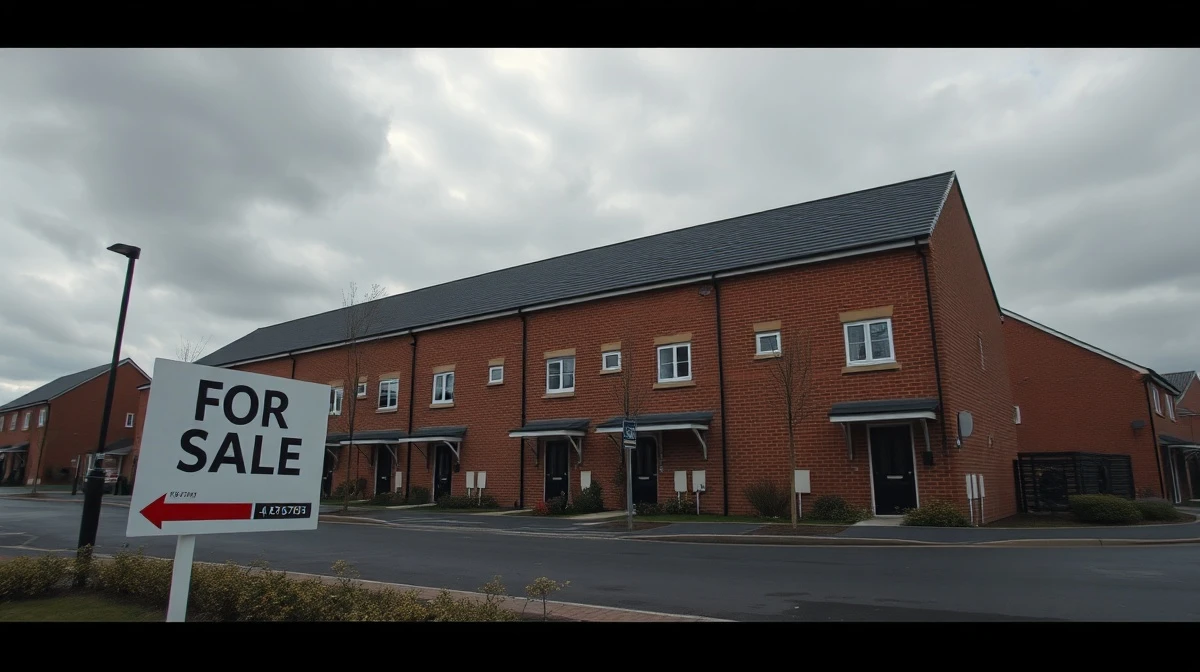
Taylor Wimpey, one of the UK’s largest housebuilders, has cut its shareholder returns and lowered its annual home completion guidance, citing persistently subdued demand in the housing market. The FTSE 100 company now expects to complete between 9,500 and 10,000 homes this year, down from a previous range of 10,000 to 10,500, and will reduce its dividend payout to preserve cash.
The move reflects a broader slowdown in the UK property sector, where high mortgage rates and stretched affordability have dampened buyer activity. Taylor Wimpey’s update, released ahead of its annual general meeting on Wednesday, adds to a growing list of housebuilders scaling back ambitions as the market cools.
Also read: Elon Musk’s X settles legal battle with World Federation of Advertisers, ending GARM dispute
What Taylor Wimpey said in its trading update
In its trading statement, Taylor Wimpey reported that net private sales reservations remained under pressure, with cancellation rates slightly above historical norms. The company said it had seen “good” demand for its homes but noted that buyers remained cautious, particularly in the lower-priced segments where affordability constraints are most acute.
The housebuilder also trimmed its planned shareholder returns, saying it would reduce the total dividend for 2025 to around £250 million, down from the £310 million it returned in 2024. The decision follows a similar move by rival Persimmon earlier this year, which also cut its payout as the sector grapples with weak trading.
Also read: Ex-Goldman Sachs Executive Awarded £1.45 Million Over Paternity Leave Stigma
Taylor Wimpey’s order book stood at £2.3 billion at the end of April, down from £2.5 billion a year earlier, reflecting slower sales and higher cancellation rates. The company said it was “prudent” to reduce output and manage costs in line with demand.
Why the housing market remains weak
The UK housing market has been in a prolonged downturn since the Bank of England began raising interest rates in late 2021. Mortgage rates, though off their peaks, remain well above the levels seen during the pandemic-era boom, when ultra-low borrowing costs fueled a surge in prices.
According to the latest Nationwide house price index, annual price growth slowed to just 0.6% in April, with the average home costing £261,962. Transaction volumes have also fallen sharply, with HM Revenue & Customs data showing sales activity running about 15% below pre-pandemic levels.
First-time buyers have been particularly hit, as higher rates have pushed monthly mortgage payments beyond reach for many. The Bank of England’s own figures show that the average two-year fixed mortgage rate is still above 5%, despite recent cuts in the base rate.
What this means for the wider economy
Taylor Wimpey’s cautious outlook is a bellwether for the UK construction sector, which accounts for around 6% of GDP. The company’s decision to reduce completions will likely ripple through the supply chain, affecting builders’ merchants, contractors, and materials suppliers.
The slowdown also has implications for the government’s housing targets. Both major political parties have pledged to build more homes, but the current market conditions make those ambitions harder to achieve. Taylor Wimpey’s lower output suggests that the industry is not expecting a quick recovery.
Investors have taken note. Taylor Wimpey shares fell 2.3% in early trading on Wednesday, before recovering slightly. The stock is down about 10% over the past year, underperforming the broader FTSE 100.
What to watch next
The key question is whether the Bank of England will cut interest rates further in the coming months. Markets are pricing in two or three rate cuts this year, which could ease mortgage costs and help revive demand. However, inflation remains sticky, and policymakers have signaled they will move cautiously.
Taylor Wimpey’s next major update will come with its half-year results in August, which will provide a clearer picture of whether the market is stabilizing. For now, the company is bracing for another difficult year, and its reduced payout reflects that reality.
For prospective buyers, the news is mixed. Lower completions mean fewer new homes coming to market, which could keep prices from falling sharply. But with affordability still stretched, the prospect of a meaningful recovery in the housing market remains distant.

