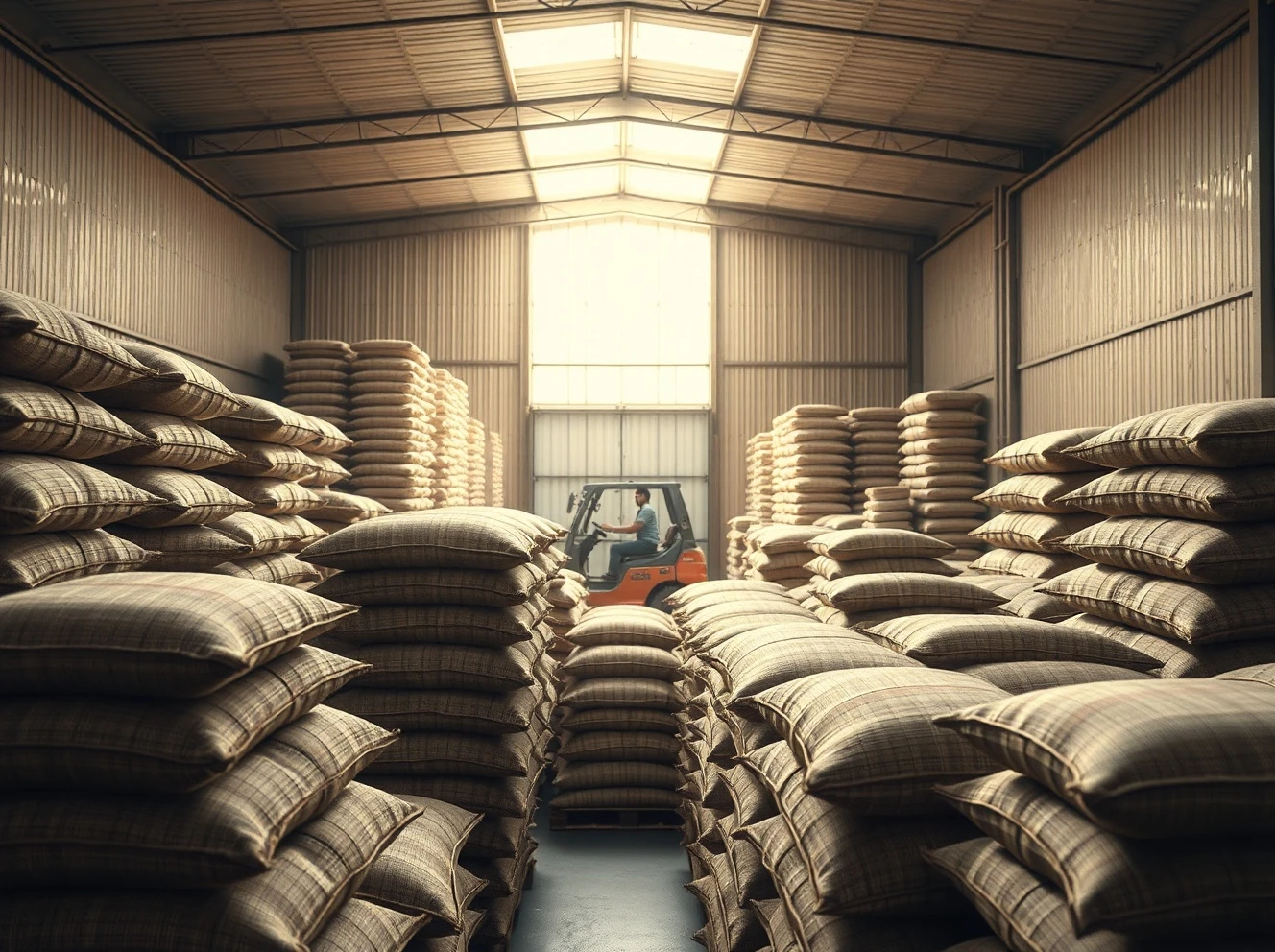
July arabica coffee futures closed higher on Friday, supported by declining inventories at ICE exchange warehouses. Arabica stocks fell to a 2.5-month low of 477,045 bags, while robusta inventories dropped to a 16.5-month low of 3,724 lots. The tightening supply environment provided a floor for prices, even as broader market factors weighed on sentiment.
Supply Disruptions and Rising Costs
The ongoing closure of the Strait of Hormuz has emerged as a key bullish factor for coffee markets. The disruption has increased global shipping rates, insurance costs, and fuel expenses, directly impacting coffee importers and roasters. These higher input costs are being passed through the supply chain, adding upward pressure on coffee prices. The situation remains fluid, with no clear timeline for resolution, keeping traders on edge.
Also read: SpaceX, OpenAI, and Anthropic: The AI IPO Wave That Could Reshape Public Markets
Contrasting Forces: Vietnam Exports vs. Brazilian Crop Expectations
On the bearish side, robusta prices faced headwinds from rising Vietnamese exports. Vietnam’s National Statistics Office reported that coffee exports for the first four months of 2026 rose 15.8% year-over-year to 810,000 metric tons. The country’s 2025/26 coffee production is projected to climb 6% year-over-year to a four-year high of 1.76 million metric tons (29.4 million bags), adding to global robusta supply.
Meanwhile, expectations of a larger Brazilian coffee crop are also capping price gains. The Coffee Trading Academy projects Brazil’s 2026/27 harvest will increase 12% year-over-year to 71.4 million bags. Marex Group Plc and StoneX have both forecast record crops of 75.9 million and 75.3 million bags, respectively. StoneX further projects the 2026 global coffee surplus will expand to 10 million bags, the largest in six years, up from 1.8 million bags in 2025.
Also read: SpaceX IPO Allocation Leaves Binance, Kraken Users Empty-Handed Despite Massive Demand
Why This Matters for Coffee Markets
The interplay between tight ICE inventories and looming surplus expectations creates a complex picture for coffee traders. While immediate supply constraints are supporting prices, the medium-term outlook points to ample global supply, particularly from Brazil and Vietnam. Traders will closely monitor inventory data, shipping disruptions, and harvest progress in the coming weeks for clearer directional signals.
Conclusion
Coffee prices are caught between near-term inventory tightness and longer-term surplus expectations. The Strait of Hormuz disruption adds a layer of cost-push inflation, while resilient Brazilian and Vietnamese crops threaten to cap upside. Market participants should watch ICE stock levels and geopolitical developments for the next major price catalyst.
FAQs
Q1: Why are coffee prices rising despite expectations of a large Brazilian crop?
Near-term tightness in ICE inventories and supply chain disruptions from the Strait of Hormuz closure are supporting prices, even as longer-term surplus forecasts from Brazil and Vietnam weigh on sentiment.
Q2: How does the Strait of Hormuz closure affect coffee prices?
The closure has increased shipping rates, insurance costs, and fuel prices, raising overall costs for coffee importers and roasters, which is passed through to futures prices.
Q3: What is the outlook for global coffee supply in 2026?
StoneX projects a global coffee surplus of 10 million bags in 2026, the largest in six years, driven by record Brazilian production and strong Vietnamese exports. However, inventory levels and geopolitical disruptions could alter this outlook.