
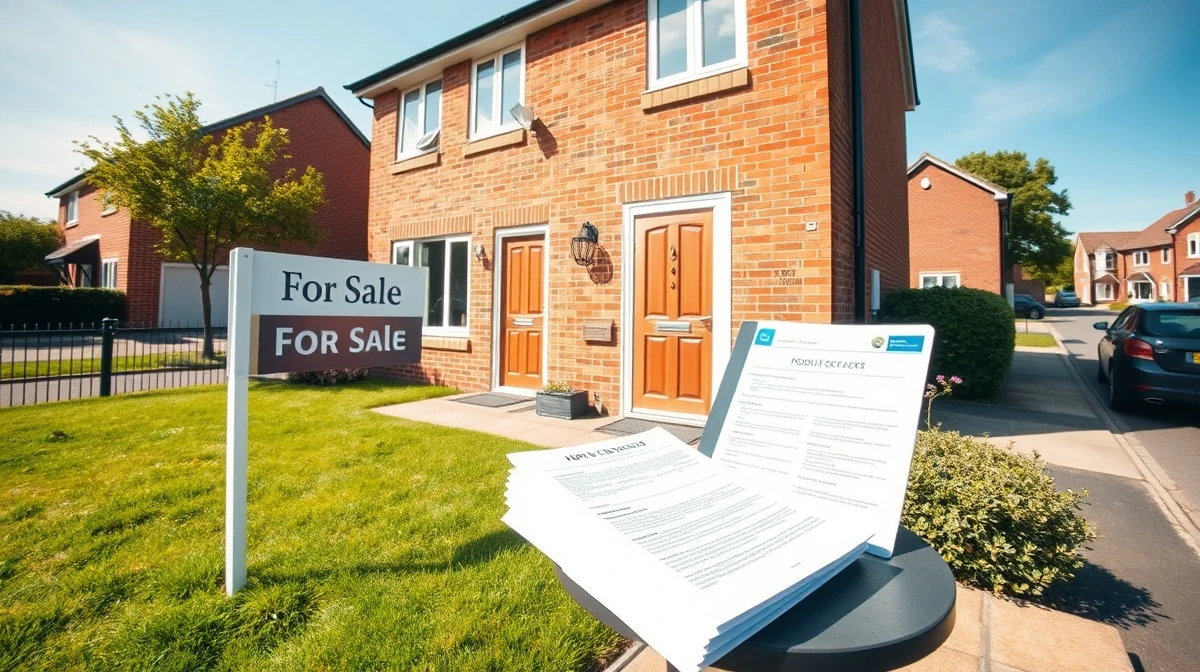
The UK government has announced plans to overhaul the home-selling process, requiring vendors to produce ‘sales packs’ containing information on a property’s condition before it is listed on the market. Housing minister Matthew Pennycook confirmed the move on Monday, describing the current system as ‘outdated and inefficient’ for buyers and sellers alike.
Under the proposed changes, sellers will need to compile documents including a property condition report, an energy performance certificate, and details of any known defects or legal issues. The packs are designed to give buyers a clearer picture early in the process, potentially cutting the average time from offer to completion, which currently takes around four months in England and Wales.
Also read: OpenAI to pay $3.2 million to settle DOJ allegations it favored foreign workers over Americans
Why the system needs reform
The current home-selling process in England and Wales is widely criticized for its lack of transparency. Buyers often spend hundreds of pounds on surveys and legal searches only to discover problems that cause the sale to collapse. According to data from the HomeOwners Alliance, roughly one in three property sales falls through before completion, costing buyers an average of £2,700 in wasted fees.
Similar ‘seller’s pack’ systems already exist in Scotland and several European countries, including Denmark and the Netherlands, where transaction times are significantly shorter. The UK government has studied these models and is expected to draw on best practices.
Also read: eBay doubles down on live shopping after Q2 GMV jumps 8x year-over-year
What the packs will include
The exact contents of the mandatory sales packs are still being finalized, but the government has indicated they will include:
- A property condition report, prepared by a qualified surveyor
- An up-to-date energy performance certificate
- Details of any planning permissions or building regulations approvals
- Information on leasehold terms, if applicable
- Results of local authority searches
The packs will be prepared by the seller before the property is marketed, rather than after an offer is accepted as is common now. The government has said it will consult on whether the seller or the buyer should bear the upfront cost, though early indications suggest the seller will pay, with the cost potentially factored into the asking price.
Industry reaction
The National Association of Estate Agents has broadly welcomed the reform, calling it ‘a long-overdue modernization of the home-buying process.’ However, some property professionals have raised concerns about the potential for increased upfront costs for sellers and the risk that poorly prepared packs could still lead to disputes.
Consumer groups have been more enthusiastic. ‘This is a win for buyers who have been burned by hidden problems and wasted survey fees,’ said Paula Higgins, chief executive of the HomeOwners Alliance. ‘But the devil will be in the detail — the packs need to be comprehensive and legally binding to work.’
The government has not yet set a timeline for the legislation, but officials expect a draft bill to be published within the next 12 months. The reform is part of a broader push to streamline the housing market, which also includes digitalization of land registry records and reforms to leasehold law.
Frequently Asked Questions
Will the sales pack replace the need for a buyer’s survey?
No. The sales pack will provide a condition report, but buyers may still choose to commission their own independent survey for additional peace of mind, especially for older or unusual properties.
How much will the sales pack cost the seller?
The government has not set a fixed cost, but estimates from similar schemes in Scotland suggest the pack could cost between £300 and £600, depending on the property’s size and complexity.
What happens if a seller provides inaccurate information in the pack?
If a seller knowingly provides false or misleading information, they could be liable for misrepresentation. The government is expected to introduce penalties for non-compliance as part of the legislation.

