
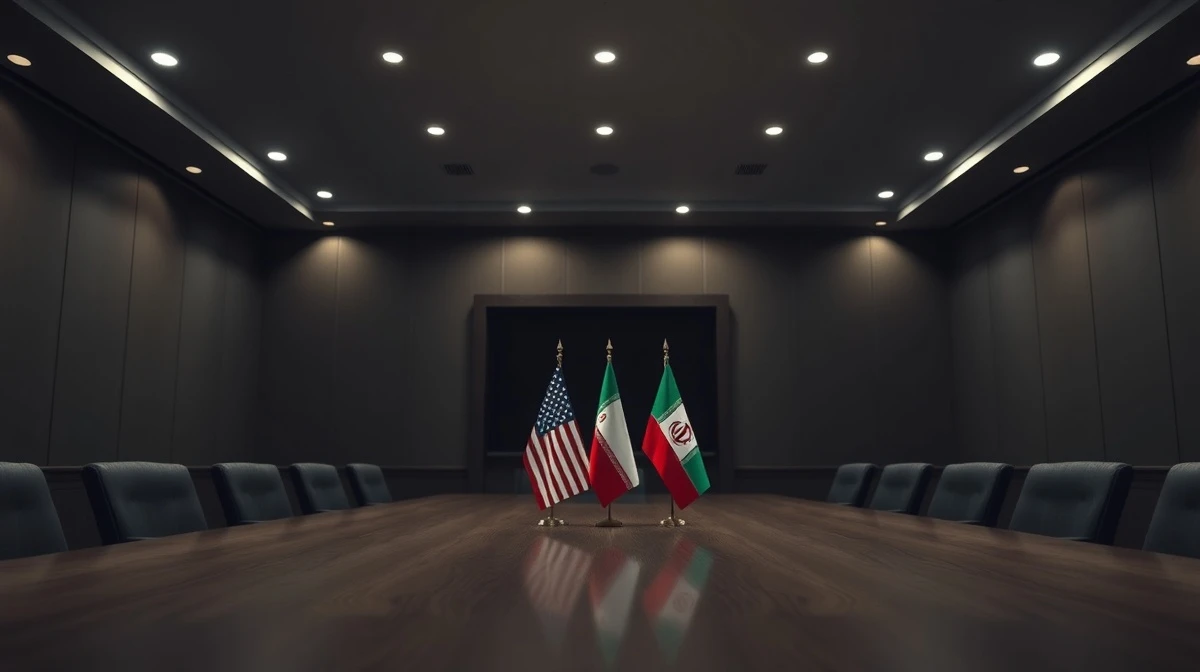
The United States and Iran have indicated a willingness to return to the negotiating table over Tehran’s nuclear program, marking a potential shift in strategy as the broader Middle East conflict enters its most volatile phase since the October 2023 attacks. Officials from both nations, speaking through intermediaries, have confirmed preliminary discussions aimed at reviving a framework to cap uranium enrichment, according to Reuters.
Diplomatic Signals Amid Military Escalation
The reported shift follows weeks of heightened military activity. In April 2024, Iran launched an rare direct drone and missile attack on Israel, which was largely intercepted by a US-led coalition. Israel responded with a limited strike on Iranian air defense systems near Isfahan. Since then, tit-for-tat attacks involving Iranian-backed proxies in Yemen, Lebanon, and Syria have intensified, disrupting Red Sea shipping and drawing in US forces.
Also read: Robinson Helicopter lands Army training deal, boosting US manufacturing and defense jobs
Against this backdrop, Omani mediators have shuttled between Washington and Tehran. The Biden administration has publicly maintained its preference for diplomacy, while Iran’s new president, Masoud Pezeshkian, elected in July 2024, has campaigned on a platform of economic reopening and sanctions relief. The question remains whether both sides can bridge the gap that led to the US withdrawal from the JCPOA in 2018.
Key Sticking Points in Renewed Talks
Any new agreement would face significant hurdles. Iran’s nuclear watchdog, the IAEA, reported in its latest quarterly update that Tehran has enriched uranium to 60% purity, technically just a short step from weapons-grade material. Iran insists its program is peaceful. The US and the E3 (France, Germany, UK) have demanded a rollback of enrichment levels, full IAEA access to monitoring sites, and a halt to ballistic missile development.
Also read: Walmart finally embraces Apple Pay and Google Pay, ending years of resistance
On the other side, Iran seeks verifiable removal of all sanctions imposed since 2018, including those related to its missile program and regional proxies. Previous rounds of talks in Vienna and Doha stalled on these exact points. The current escalation has hardened positions, but it has also increased the perceived cost of failure.
Market and Economic Implications
Financial markets have reacted cautiously. Brent crude oil, which spiked above $92 per barrel in April on fears of a supply disruption through the Strait of Hormuz, fell 2% on the initial reports of back-channel talks. Analysts at Goldman Sachs noted that a credible diplomatic track could remove the risk premium embedded in oil prices, though they cautioned that a deal is far from certain.
For global investors, the outcome of these talks is a key variable. A successful negotiation would likely lead to a sharp drop in energy prices and a rally in risk assets, particularly in emerging markets. Conversely, a breakdown could trigger a new wave of sanctions, further supply constraints, and a potential regional war that draws in major powers.
What Comes Next
No date has been announced for formal negotiations. Both sides are expected to continue indirect messaging through Oman and Qatar. The US has also signaled that it is prepared to use snapback mechanisms at the UN Security Council to reimpose international sanctions if talks fail, a move that could isolate Tehran further. For now, the window for diplomacy is open, but it remains narrow.
Frequently Asked Questions
Why are the US and Iran returning to talks now?
The renewed diplomatic push comes after months of escalating military confrontations in the region, including attacks on commercial shipping and direct exchanges of fire between Israel and Iran, raising fears of a broader war.
What is the main goal of the new negotiations?
The primary objective is to re-establish limits on Iran’s uranium enrichment program in exchange for sanctions relief, similar to the 2015 Joint Comprehensive Plan of Action (JCPOA).
How have markets reacted to the news of potential talks?
Crude oil prices initially fell on the news, reflecting reduced risk premiums, but remain volatile as traders weigh the low probability of a quick breakthrough against ongoing supply disruptions.
What are the biggest obstacles to a new deal?
Key obstacles include Iran’s enrichment level at 60% purity, US demands for full IAEA inspections, and disagreement over whether to include Iran’s ballistic missile program and regional proxy forces in the negotiations.
Which countries are mediating the talks?
Oman has historically served as the primary intermediary between Washington and Tehran. Qatar has also played a role in facilitating back-channel communications during the current crisis.

