
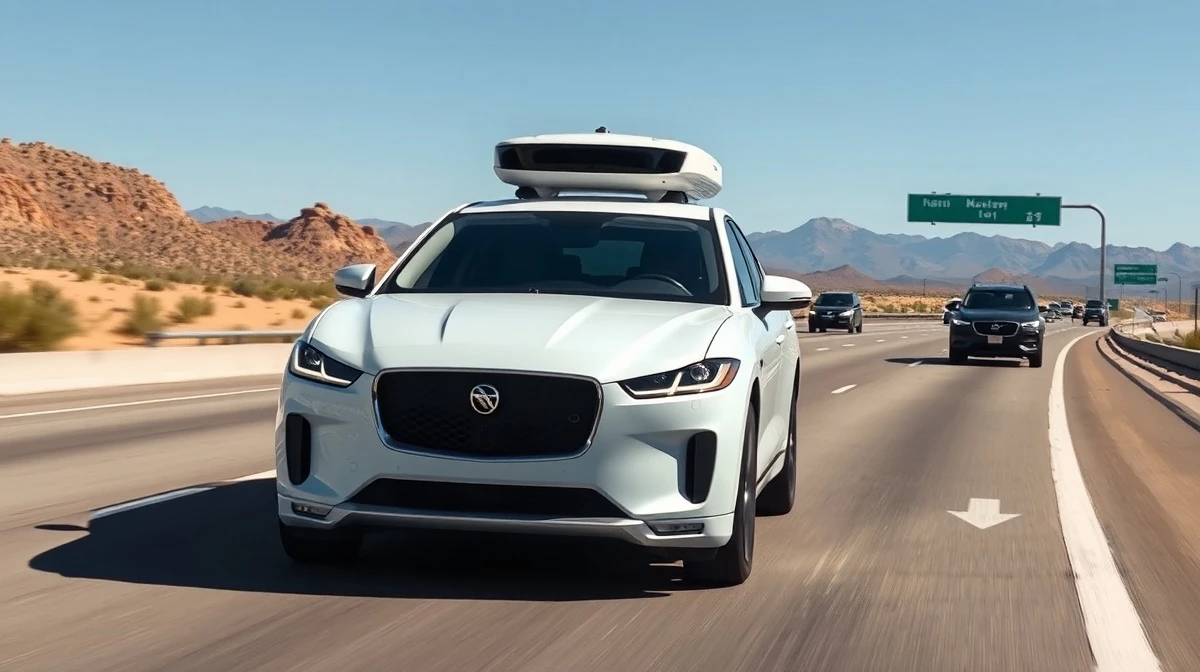
Waymo is gradually reintroducing freeway routes to its robotaxi service, starting in Phoenix on Wednesday, more than two months after the company suspended high-speed operations due to safety concerns near construction zones. The Alphabet-owned autonomous vehicle operator announced the phased restart in a post on X, with Los Angeles and the San Francisco Bay Area expected to follow in the coming days, a Waymo spokesperson told TechCrunch.
Why Waymo paused and what changed
Waymo first began offering freeway rides across San Francisco, Phoenix, and Los Angeles in November 2025, a major expansion aimed at attracting riders with faster commute times and direct airport access. The company later added Miami. But in May 2026, the freeway option suddenly disappeared, prompting riders to ask why on social media.
Also read: US Chip Industry Faces Shortage of Up to 157,000 Workers by 2030, Report Warns
At the time, Waymo told TechCrunch it wanted to improve performance in construction zones. Weeks later, the company voluntarily recalled its fleet of nearly 4,000 robotaxis after identifying at least 13 instances of vehicles driving into highway sections closed for construction, according to a June filing with the National Highway Traffic Safety Administration. A Waymo spokesperson said no injuries or collisions were reported from those incidents.
In an emailed statement, Waymo said it was “resuming freeway operations across its entire service area, including areas with construction, after implementing software updates designed to improve performance around freeway construction zones.” The company described the updates as enhancing scene recognition and routing, allowing the vehicles to better identify and handle temporary lane closures, cones, and other construction-related obstacles.
Also read: ClickFix Scams Spread Through Hijacked HBO Max Reddit Ads, Researchers Say
Regulatory scrutiny intensifies as robotaxis expand
The freeway pause and restart come amid heightened federal and state attention on autonomous vehicle safety, particularly regarding how self-driving cars behave around emergency responders and in high-traffic situations. Earlier this week, Rep. Kevin Mullin (D-Calif.) proposed a bill that would direct federal regulators to establish minimum national safety standards for autonomous vehicle operators. The legislation follows a series of incidents in which robotaxis blocked ambulances and fire trucks, drove into active crime scenes, and failed to recognize safety signals such as traffic cones and flares.
This marks Waymo’s sixth recall of its robotaxis. Previous recalls addressed software fixes after vehicles drove into flooded roads and behaved illegally around school buses. The company has framed each recall as a voluntary, proactive step to improve safety.
What the freeway restart means for riders
For Phoenix riders, the return of freeway routes restores the ability to use robotaxis for longer trips and airport runs, which had been a key selling point of the November 2025 expansion. Waymo has not specified a timeline for resuming freeway service in Miami, though the spokesperson indicated the company intends to restore full operations across all previous markets.
The gradual rollout suggests Waymo is taking a measured approach, likely monitoring performance data in Phoenix before expanding to more complex freeway environments in Los Angeles and the Bay Area. The company’s ability to maintain safe operations in construction zones will be closely watched by regulators and competitors alike, as the autonomous vehicle industry pushes for broader commercial deployment.
With federal safety standards still in development and public trust tested by high-profile incidents, Waymo’s return to freeways represents a critical test case for whether autonomous vehicles can handle the full complexity of urban highway driving.

