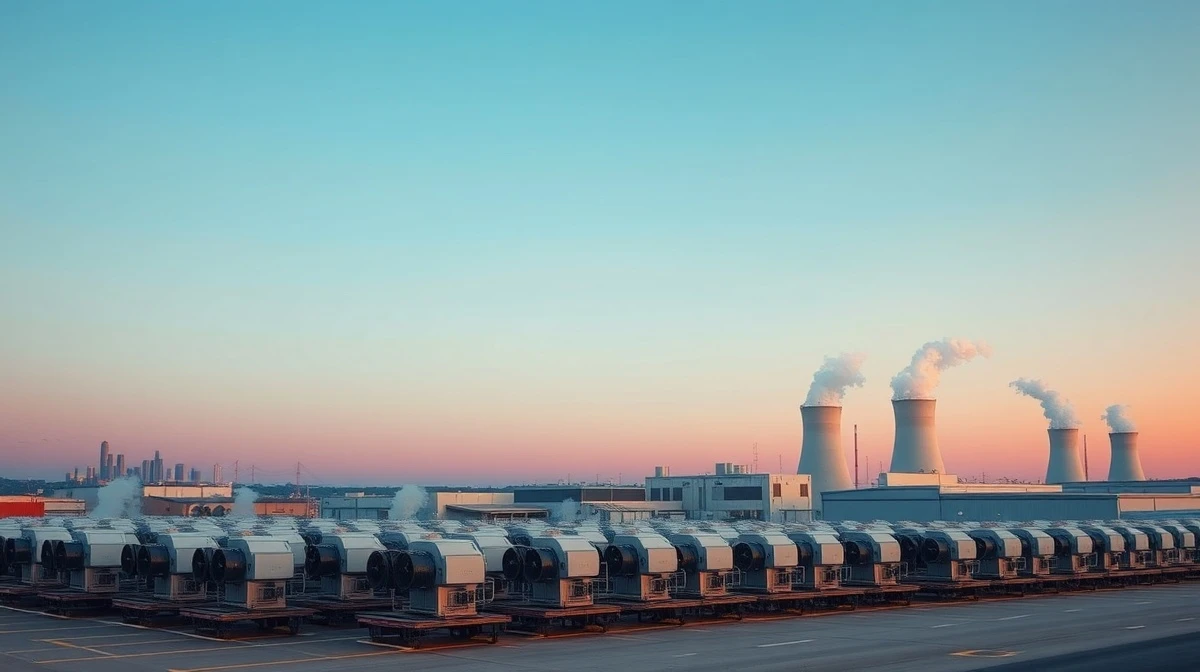
SpaceX said Thursday that it will not remove the unpermitted gas turbines powering its xAI Colossus data centers near Memphis until July 2027, as it transitions to a permanent 1.2-gigawatt natural gas power plant. The company is currently operating 69 turbines on trailers south of Memphis in Mississippi, many of which have been running for months without state or federal air permits.
The disclosure came in a statement to TechCrunch, following lawsuits from the NAACP and the Southern Environmental Law Center (SELC) over the turbines’ emissions. SpaceX acquired xAI in February, inheriting the data center operation and its regulatory disputes.
Also read: ClickFix Scams Spread Through Hijacked HBO Max Reddit Ads, Researchers Say
Regulatory dispute and legal challenges
SpaceX argues that the turbines are exempt from permitting because they remain on the trailers they were shipped on, classifying them as temporary equipment. Federal regulations, however, state that turbines of this size and usage require permits regardless of their mounting. The U.S. Environmental Protection Agency (EPA) has not publicly commented on the specific installations, but the SELC and NAACP contend that the turbines’ potential emissions—more than 2,000 tons of smog-forming nitrogen oxides (NOx) per year—trigger Clean Air Act requirements.
The legal battle escalated last month when the Department of Justice (DOJ) filed a statement of interest siding with SpaceX, arguing that the unpermitted turbines are a matter of “national, economic, and energy security.” The DOJ’s position aligns with the Biden administration’s broader push to expedite energy infrastructure for AI data centers, which have become critical to national competitiveness.
Also read: Massachusetts orders large data centers to supply clean power or pay into ratepayer fund
What the new power plant means
SpaceX is building a permanent power plant in Mississippi that will consist of 41 gas turbines ranging from 16.48 megawatts to 50 megawatts, according to permit documents issued by the state. These turbines appear to be different models from the 69 currently in use, though TechCrunch could not verify the specific models of the existing fleet.
Notably, Elon Musk’s purchase of APR Energy earlier this year—a company specializing in temporary natural gas power—suggests that the new turbines may not be destined for the Colossus site. Based on an archive of APR Energy’s website before it was taken down, the company’s fleet also appears different from those cited in the new plant’s permits. This has led analysts to speculate that the new turbine fleet could be intended for another, unannounced project, possibly at a different location.
The region around Memphis is already among the most polluted in the U.S., according to the American Lung Association, and the addition of the turbines has heightened concerns among local residents and environmental advocates. The NAACP has called the situation an environmental justice issue, noting that the data centers are located near predominantly Black communities in northern Mississippi.
Financial and strategic implications
In its IPO filing, SpaceX disclosed plans to purchase $2.8 billion worth of gas turbines for its data centers over the next three years. This investment underscores the scale of Musk’s AI ambitions, which require massive compute power for training and inference. The Colossus data center is one of the largest AI training facilities in the world, and its energy demands are expected to grow.
The delay in removing the unpermitted turbines means that the region will continue to experience elevated NOx emissions for at least another year. NOx contributes to ground-level ozone and particulate matter, which are linked to respiratory illnesses and premature death. Environmental groups have called on regulators to enforce permitting requirements, but the DOJ’s involvement complicates any immediate action.
For now, SpaceX appears to be betting that the urgency of AI infrastructure will outweigh environmental concerns. The company has not announced any interim mitigation measures, such as emissions controls or offsets, beyond the eventual transition to the permanent plant.
As the legal cases proceed, the outcome could set a precedent for how data center operators handle temporary power generation in the AI boom. If SpaceX prevails, it may encourage other companies to use trailer-mounted turbines without permits, potentially leading to more unregulated emissions in vulnerable communities. If the courts side with the plaintiffs, it could force a reevaluation of how quickly AI infrastructure can be built without environmental review.