
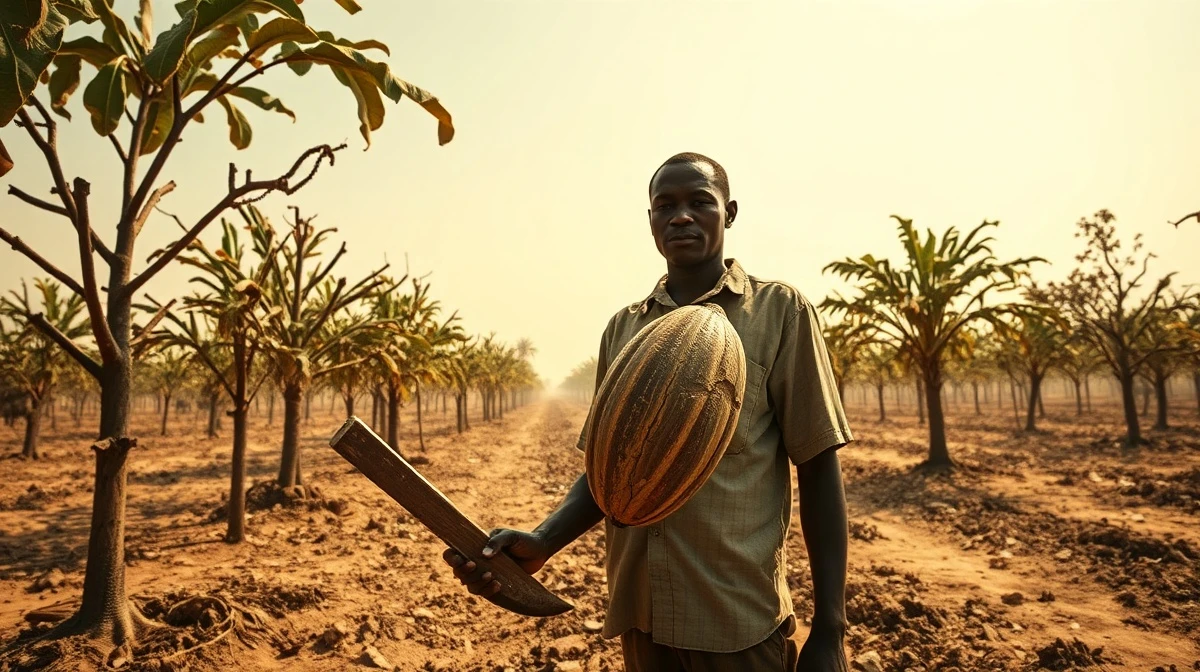
Cocoa futures retreated on Wednesday, with July ICE New York cocoa settling down 4.23% and London cocoa losing 4.63%, as producer selling intensified after prices hit 3.5-month highs earlier in the week. The pullback reflects a classic pattern of producers locking in elevated prices, while a strengthening U.S. dollar also triggered long liquidation in the futures market.
Producer Selling and Dollar Strength Weigh on Prices
The recent rally, which pushed cocoa to its highest levels since early February, was driven by mounting concerns over the potential impact of an El Niño weather pattern on West African cocoa production. The U.S. National Oceanic and Atmospheric Administration now estimates a 61% probability that El Niño conditions will develop between May and July, with a one-in-four chance of a so-called ‘Super El Niño.’ Warmer, drier conditions in the region could significantly damage the upcoming main crop, which begins in October.
Also read: Chinese equities: BNY says strong investor flows support buy-the-dip stance
However, Wednesday’s sell-off was largely attributed to producers taking advantage of the higher prices to hedge forward sales. The stronger dollar added downward pressure, making dollar-denominated cocoa more expensive for international buyers and prompting speculative long positions to unwind.
Supply and Demand Dynamics Remain Mixed
While the El Niño threat has lent support, the market is also digesting a complex set of supply and demand signals. On the supply side, ICE cocoa inventories rose to a 20.5-month high of 2,668,548 bags last Thursday, indicating ample near-term availability. Yet, early surveys of the 2026/27 West African crop show below-average cherelle formation, suggesting a weaker main harvest ahead.
StoneX recently cut its 2026/27 global cocoa surplus estimate to 149,000 metric tons, down sharply from a January forecast of 267,000 metric tons, citing El Niño risks. The firm also trimmed its 2025/26 surplus forecast to 247,000 metric tons from 287,000 metric tons.
Demand data is sending mixed signals. First-quarter cocoa grindings in North America fell 3.8% year-over-year, and European grindings dropped 7.8% to their lowest Q1 level in 17 years. In contrast, Asian grindings unexpectedly rose 5.2% year-over-year, suggesting regional divergence in consumption patterns.
Weather and Geopolitical Disruptions Add Complexity
Rainfall in West Africa has been insufficient to ease drought conditions across the Ivory Coast and Ghana, which together produce more than half of the world’s cocoa. As of late March, drought blanketed more than half of the Ivory Coast and about two-thirds of Ghana, according to the African Flood and Drought Monitor. Both countries have cut farmer prices for the current growing season, which could further reduce output.
Adding to supply chain uncertainty, the prolonged closure of the Strait of Hormuz is disrupting fertilizer supplies and raising shipping costs, indirectly supporting cocoa prices by increasing importers’ expenses.
Nigerian cocoa exports fell 35% year-over-year in March, and the country’s Cocoa Association projects a 11% decline in 2025/26 production to 305,000 metric tons.
Conclusion
Wednesday’s decline in cocoa prices highlights the tug-of-war between near-term producer selling and longer-term supply risks tied to El Niño and drought. While inventories remain comfortable for now, the combination of weather threats, reduced farmer incentives, and geopolitical disruptions suggests the market could remain volatile. Traders will be closely watching rainfall patterns in West Africa and upcoming crop surveys for clearer direction.
FAQs
Q1: Why did cocoa prices fall on Wednesday despite El Niño concerns?
Producers sold into the rally to lock in profits after prices hit 3.5-month highs, while a stronger U.S. dollar triggered long liquidation. These short-term factors outweighed ongoing supply fears.
Q2: How might El Niño affect cocoa production in West Africa?
El Niño typically brings warmer, drier conditions to West Africa, which can reduce cocoa yields by stressing trees and limiting cherelle (young pod) formation. The main harvest begins in October, so dry weather during the growing season is a key risk.
Q3: Are cocoa supplies currently tight?
Not in the short term. ICE cocoa inventories are at a 20.5-month high, and Ivory Coast shipments are slightly above last year’s pace. However, early crop surveys and drought conditions point to potential tightening later in the 2026/27 season.

