
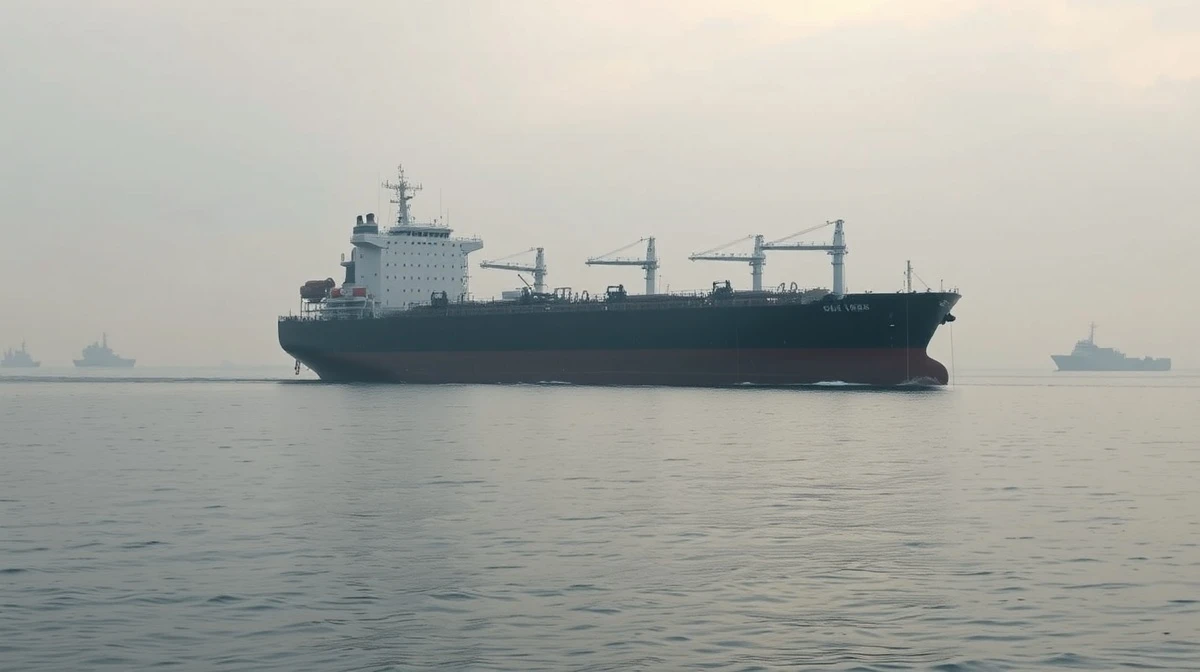
Crude oil futures gave up early session gains on Wednesday, settling lower as a strengthening dollar prompted long liquidation across energy markets. June West Texas Intermediate crude fell $1.16, or 1.14%, to settle at an undisclosed level, while June RBOB gasoline dropped 7.90 cents, or 2.14%. The moves reversed an earlier rally that had pushed prices to a one-week high.
Dollar Strength Pressures Commodities
The dollar index climbed to a 1.5-week high, making dollar-denominated commodities more expensive for foreign buyers and triggering profit-taking in crude and gasoline futures. The inverse relationship between the dollar and commodity prices remains a key near-term driver, particularly as traders assess the interplay between currency markets and geopolitical risk premiums.
Also read: Chinese equities: BNY says strong investor flows support buy-the-dip stance
Supply Disruptions Persist Amid Geopolitical Tensions
Despite the day’s decline, crude prices remain underpinned by the ongoing closure of the Strait of Hormuz, a critical chokepoint for roughly one-fifth of the world’s oil and liquefied natural gas. The U.S.-Iran conflict continues to disrupt Persian Gulf production, with Goldman Sachs estimating that output has been curtailed by approximately 14.5 million barrels per day. The International Energy Agency warned Wednesday that global oil markets will remain “severely undersupplied” until at least October, even if hostilities end next month.
President Trump rejected Iran’s latest peace proposal, calling it a “piece of garbage,” and stated that the current ceasefire is on “life support.” He also indicated that the U.S. may resume naval escort operations for commercial ships through the Strait of Hormuz as soon as this week.
EIA Report Shows Mixed Signals
Wednesday’s weekly inventory report from the Energy Information Administration provided some support, with crude inventories falling by 4.31 million barrels—a larger draw than the 2.45 million barrel decline analysts had expected. Gasoline supplies also fell more than forecast, dropping 4.08 million barrels. However, distillate stockpiles unexpectedly rose by 190,000 barrels, defying expectations of a 2.7 million barrel draw.
U.S. crude production edged up 1% week-over-week to 13.71 million barrels per day, still below the record high of 13.862 million bpd set in November. The number of active oil rigs rose by two to 410, remaining near a 4.25-year low.
Broader Market Implications
The combination of a stronger dollar, geopolitical uncertainty, and persistent supply constraints creates a volatile outlook for energy prices. For consumers, the risk of higher gasoline costs remains elevated, particularly if the Strait of Hormuz closure extends into the summer driving season. The IEA’s assessment that recovery of damaged energy infrastructure could take up to two years underscores the potential for prolonged market tightness.
Conclusion
Wednesday’s price action highlights the delicate balance between bullish supply disruptions and bearish currency headwinds. While the underlying fundamentals remain supportive of higher prices, the dollar’s strength and profit-taking may limit near-term upside. Traders will closely monitor developments in U.S.-Iran negotiations and the next round of EIA data for clearer direction.
FAQs
Q1: Why did crude oil prices fall despite bullish inventory data?
The dollar index rose to a 1.5-week high, prompting long liquidation in energy futures. The stronger dollar makes commodities more expensive for non-U.S. buyers, offsetting the supportive EIA report.
Q2: How is the Strait of Hormuz closure affecting global oil supplies?
The closure has curtailed about 14.5 million barrels per day of Persian Gulf output, according to Goldman Sachs. The IEA warns the market will remain severely undersupplied until at least October.
Q3: What should consumers watch for in the coming weeks?
Key factors include the trajectory of the U.S. dollar, progress in U.S.-Iran peace talks, and weekly EIA inventory reports. A prolonged Strait of Hormuz closure could keep gasoline prices elevated into the summer.

