Cocoa futures extended their rally this week, with New York cocoa reaching a three-month high and London cocoa hitting a three-and-a-half-month peak, as traders priced in mounting risks from a developing El Niño weather pattern. The rally reflects growing concern that warmer, drier conditions could significantly reduce cocoa output in West Africa, the source of more than half of the world’s supply.
El Niño Probability Rises, Threatening Key Growing Regions
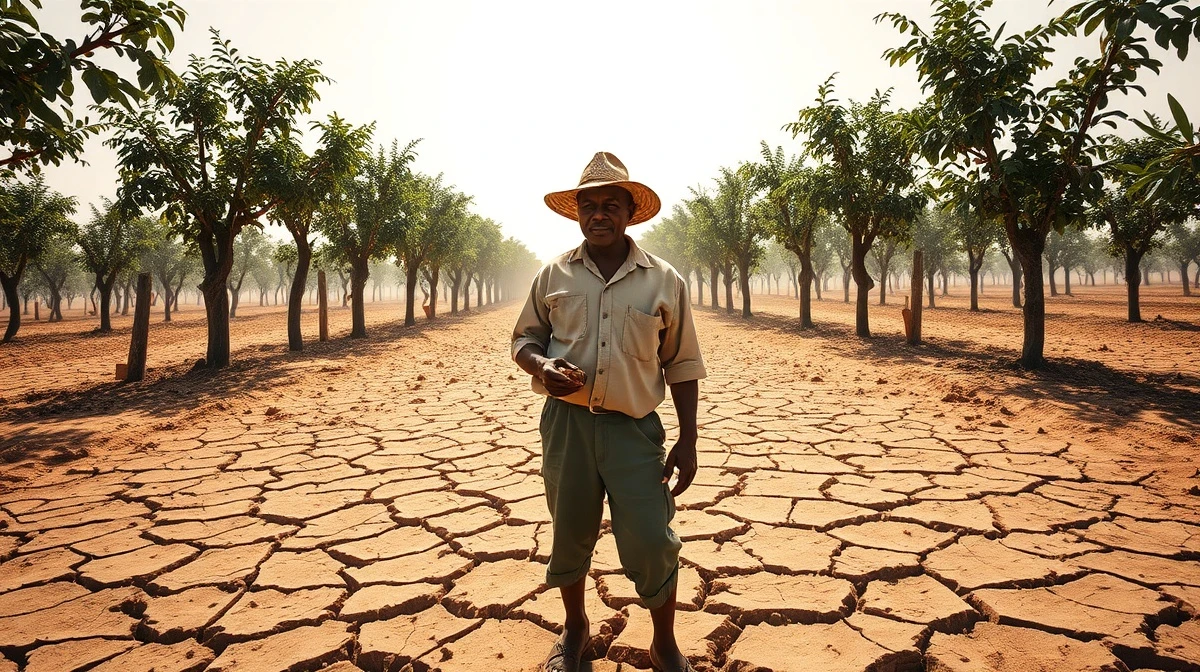
The U.S. National Oceanic and Atmospheric Administration (NOAA) now estimates a 61% probability that El Niño conditions will emerge between May and July and persist through the end of the year. Forecasters note a one-in-four chance of a so-called “Super El Niño,” which would intensify the weather impact. For cocoa farmers in Ivory Coast and Ghana, El Niño typically brings below-average rainfall during the critical growing months, which can reduce yields and increase disease pressure on trees.
Also read: SpaceX, OpenAI, and Anthropic: The AI IPO Wave That Could Reshape Public Markets
Early Crop Surveys Point to Weak Harvest
Adding to the supply-side pressure, early surveys of the 2026/27 West African cocoa crop indicate below-average cherelle formation on cocoa trees. Cherelles are the young pods that develop into mature cocoa beans, and a weak formation phase signals a poor main harvest, which begins in October. This early indicator has reinforced market expectations of tighter supply in the upcoming season.
Fund Short Positions Could Amplify Rally
Market dynamics may also be fueling the price surge. Data from the latest Commitments of Traders (COT) report shows that speculative funds increased their net-short positions in New York cocoa by 3,499 contracts in the week ending April 28, bringing total shorts to 19,885 — the highest level in more than three years. A large short position can accelerate a rally if traders are forced to buy back contracts to cover their positions, creating a short-covering squeeze.
Also read: SpaceX IPO Allocation Leaves Binance, Kraken Users Empty-Handed Despite Massive Demand
Demand Signals Mixed as Chocolate Sales Show Resilience
Despite elevated cocoa prices, consumer demand for chocolate appears to be holding up. Recent earnings reports from major chocolate makers Hershey and Mondelez International showed better-than-expected results, suggesting that consumers are still willing to pay higher prices for chocolate products. However, some weakness is emerging: North American chocolate candy sales fell 1.3% in the 13 weeks ending March 22 compared to the same period last year, and Easter chocolate sales dropped approximately 5%, according to Bloomberg Intelligence.
Global Supply Outlook Tightens
Brokerage firm StoneX recently cut its 2026/27 global cocoa surplus estimate to 149,000 metric tons from a January forecast of 267,000 metric tons, citing El Niño risks to West African production. The firm also reduced its 2025/26 surplus estimate to 247,000 metric tons. Meanwhile, the prolonged closure of the Strait of Hormuz is adding indirect support to cocoa prices by raising fertilizer costs, shipping rates, and fuel prices, which increases import costs for cocoa buyers.
Regional Supply and Weather Developments
Current cocoa supplies from Ivory Coast remain stable, with farmers shipping 1.54 million metric tons to ports from October 1, 2025, through May 3, 2026 — up 0.7% from the same period a year earlier. However, Nigerian cocoa exports fell 4.6% year-over-year in February, and the Nigerian Cocoa Association projects a 11% decline in 2025/26 production. Recent rainfall in West Africa has been insufficient to ease drought conditions, with drought covering more than half of Ivory Coast and about two-thirds of Ghana as of late March.
Conclusion
The combination of El Niño weather risks, weak early crop indicators, and a large speculative short position has created a potent rally in cocoa futures. While current inventories remain adequate and some demand indicators show softening, the market is increasingly focused on the potential for supply disruption in the upcoming growing season. Traders will be closely monitoring weather forecasts and crop development in West Africa over the coming months.
FAQs
Q1: What is El Niño and how does it affect cocoa production?
El Niño is a climate pattern characterized by warmer-than-average sea surface temperatures in the central and eastern Pacific Ocean. For West Africa, it often brings drier and warmer conditions during the cocoa growing season, which can reduce yields and increase the risk of disease in cocoa trees.
Q2: Why are cocoa prices rising despite current adequate supplies?
The market is pricing in future supply risks, particularly from the potential impact of El Niño on the 2026/27 West African harvest. Additionally, a large speculative short position in cocoa futures could amplify any price rally through short-covering.
Q3: Which countries produce most of the world’s cocoa?
Ivory Coast and Ghana together produce more than half of the world’s cocoa. Other major producers include Ecuador, Cameroon, and Nigeria.