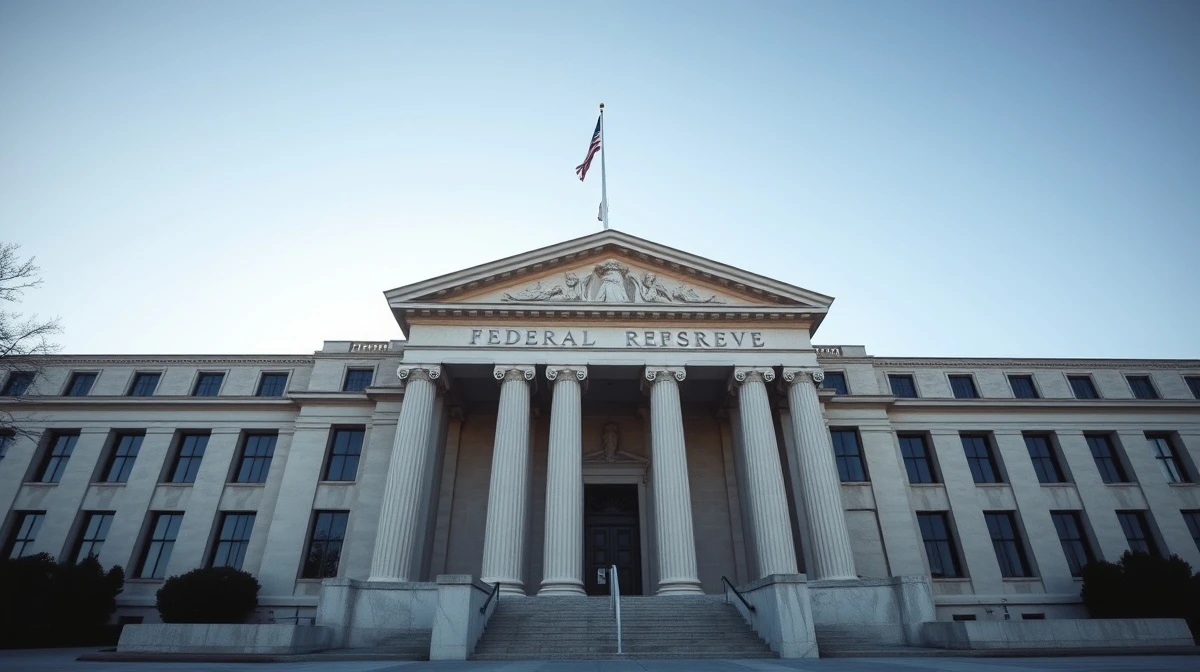
Federal Reserve Bank of Boston President Susan Collins indicated on Wednesday that the central bank is likely to keep interest rates elevated for an extended period, pushing back against market expectations for imminent cuts. Speaking at an event in Massachusetts, Collins emphasized that the fight against inflation is not yet won and that policy needs to remain restrictive.
Why Rates Are Staying Put
Collins stated that recent economic data, including persistent price pressures and a resilient labor market, warrant a cautious approach. “We need to see more convincing evidence that inflation is on a sustained path back to 2 percent,” she said. The comments align with the broader Federal Reserve narrative that rates will need to stay higher for longer than many investors had hoped.
Also read: Swiss Franc Dips Against Dollar, Rises Versus Euro in Mixed Forex Session
The Fed has held its benchmark interest rate steady at 5.25% to 5.5% since July 2023, after a series of aggressive hikes. Collins’ remarks suggest that a rate cut in the near term is unlikely, especially with inflation still running above the central bank’s target.
Market Reaction and Implications
Following Collins’ comments, bond yields edged higher and stock futures pared gains. Traders have been pricing in a first rate cut as early as June, but Collins’ hawkish tone casts doubt on that timeline. For consumers, the message means borrowing costs for mortgages, credit cards, and auto loans are likely to remain elevated.
Also read: Pound Sterling faces a heavy week as Westminster empties out
What This Means for Investors
Investors should brace for a prolonged period of tight monetary policy. Collins’ remarks are the latest in a series of similar signals from Fed officials, reinforcing the view that the central bank will not ease until inflation is firmly under control. This could continue to weigh on risk assets and support the dollar.
Conclusion
Collins’ clear message that rates will be on hold for longer underscores the Federal Reserve’s commitment to defeating inflation, even if it means disappointing markets. For now, the path to lower borrowing costs remains uncertain, and the economy will have to handle a higher-for-longer rate environment.
FAQs
Q1: Why did Susan Collins say rates will be on hold for longer?
A1: Collins cited persistent inflation and a strong labor market as reasons for maintaining restrictive policy until there is clearer evidence that price pressures are sustainably easing.
Q2: When is the next Federal Reserve meeting?
A2: The next Federal Open Market Committee (FOMC) meeting is scheduled for June 11-12, 2026, where the rate decision will be announced.
Q3: How does higher-for-longer rates affect the average consumer?
A3: It means mortgage rates, credit card APRs, and auto loan rates will remain high, making borrowing more expensive. Savings account yields may stay elevated as well.