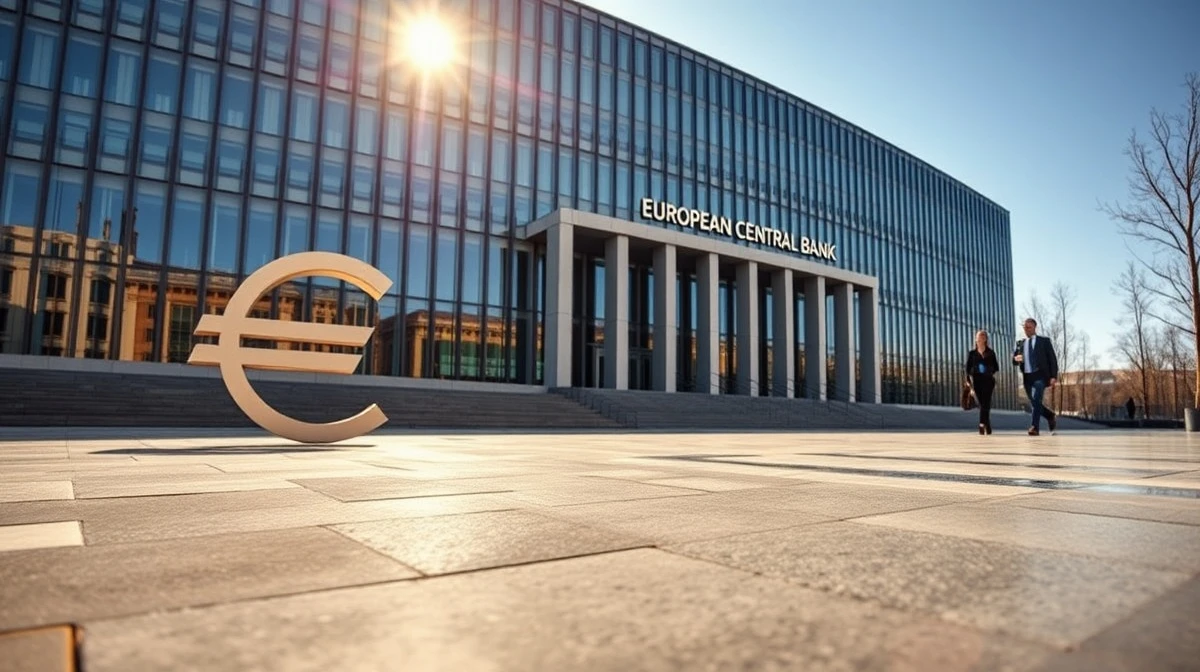
The euro traded near session highs against the U.S. dollar and other major currencies on Monday, as growing expectations of a diplomatic resolution to the Iran conflict encouraged investors to move into riskier assets. The common currency’s resilience reflects a broader shift in market sentiment, with traders pricing in the possibility of de-escalation in the Middle East and a subsequent reduction in geopolitical uncertainty.
Market Reaction to Geopolitical Developments
Reports of renewed diplomatic channels between key stakeholders have fueled speculation that the protracted Iran war may be nearing a conclusion. While official confirmations remain limited, the market’s response has been swift. The euro rose 0.4% against the dollar in early European trading, breaking above the 1.1050 resistance level for the first time in two weeks. The move was accompanied by gains in European equities and a retreat in safe-haven assets such as gold and the Japanese yen.
Also read: Swiss Franc Dips Against Dollar, Rises Versus Euro in Mixed Forex Session
Analysts note that the euro’s strength is not solely a function of dollar weakness but reflects genuine optimism about regional stability. A swift end to the conflict would remove a significant drag on global trade and energy markets, both of which have weighed on the eurozone economy since the onset of hostilities.
Why This Matters for Investors
For forex traders and global investors, the prospect of a ceasefire or peace agreement in Iran carries substantial implications. Oil prices, which have remained elevated due to supply disruption fears, could decline sharply, reducing inflationary pressure across Europe. Lower energy costs would directly benefit eurozone manufacturers and consumers, potentially allowing the European Central Bank to maintain a more accommodative monetary policy stance.
Also read: Pound Sterling faces a heavy week as Westminster empties out
Risk-On Sentiment Broadens
The improved risk appetite is not limited to currency markets. European stock indices posted broad gains, with the STOXX 600 rising 1.2% by midday. Cyclical sectors such as automotive, chemicals, and travel led the rally, while defensive sectors like utilities and healthcare lagged. Bond yields also edged higher, signaling a rotation out of government debt into riskier assets.
However, caution remains warranted. The situation on the ground is fluid, and negotiations could stall or collapse. The euro’s gains may prove fragile if diplomatic efforts fail to produce concrete results. Market participants are advised to monitor official statements from the European Union, the United Nations, and the involved parties for verifiable progress.
Conclusion
The euro’s current strength is a direct reflection of market hopes for a swift end to the Iran war. While the sentiment-driven rally is understandable, the sustainability of this move depends on tangible diplomatic outcomes. For now, traders are positioning for a less volatile geopolitical environment, but the path forward remains uncertain.
FAQs
Q1: Why is the euro strengthening on news of a potential end to the Iran war?
A1: A resolution to the conflict reduces geopolitical risk, lowers energy costs, and improves economic outlook for the eurozone, making the euro more attractive to investors.
Q2: Could the euro’s rally reverse if peace talks fail?
A2: Yes. The current move is largely sentiment-driven. If diplomatic efforts stall or collapse, the euro could give back its gains quickly as safe-haven demand returns.
Q3: How does the Iran war impact European markets beyond currencies?
A3: The conflict has raised oil prices, disrupted trade routes, and increased inflation. A swift end would ease these pressures, supporting European equities and bonds while reducing energy costs for consumers and businesses.