Lean hog futures closed lower on Wednesday, March 20, 2025, with contracts falling between 85 cents and $2.02 across the board. The decline came as winter weather disrupted slaughter operations in key producing regions, most notably Iowa, where a blizzard slowed processing and transportation.
Market Performance and Key Data
The April 2025 lean hog contract settled at $85.575 per hundredweight (cwt), down $2.025. The May contract closed at $88.700, losing $1.500, while the June contract ended at $96.500, down $0.850. The broader sell-off reflected a combination of weather-related logistical challenges and cautious positioning ahead of weekly USDA reports.
Also read: SpaceX, OpenAI, and Anthropic: The AI IPO Wave That Could Reshape Public Markets
The USDA reported the national average base hog negotiated price at $91.02 on Wednesday afternoon, up $2.74 from the prior day. Meanwhile, the CME Lean Hog Index, a key cash market benchmark, edged up 4 cents to $89.32 as of March 17, signaling that cash markets remained relatively firm despite futures weakness.
Pork Cutout and Slaughter Data
The Wednesday afternoon FOB plant pork cutout value, as reported by the USDA, slipped 45 cents to $95.19 per cwt. Declines were observed in the loin, butt, and rib primals, indicating softer wholesale demand at the start of the week.
Also read: SpaceX IPO Allocation Leaves Binance, Kraken Users Empty-Handed Despite Massive Demand
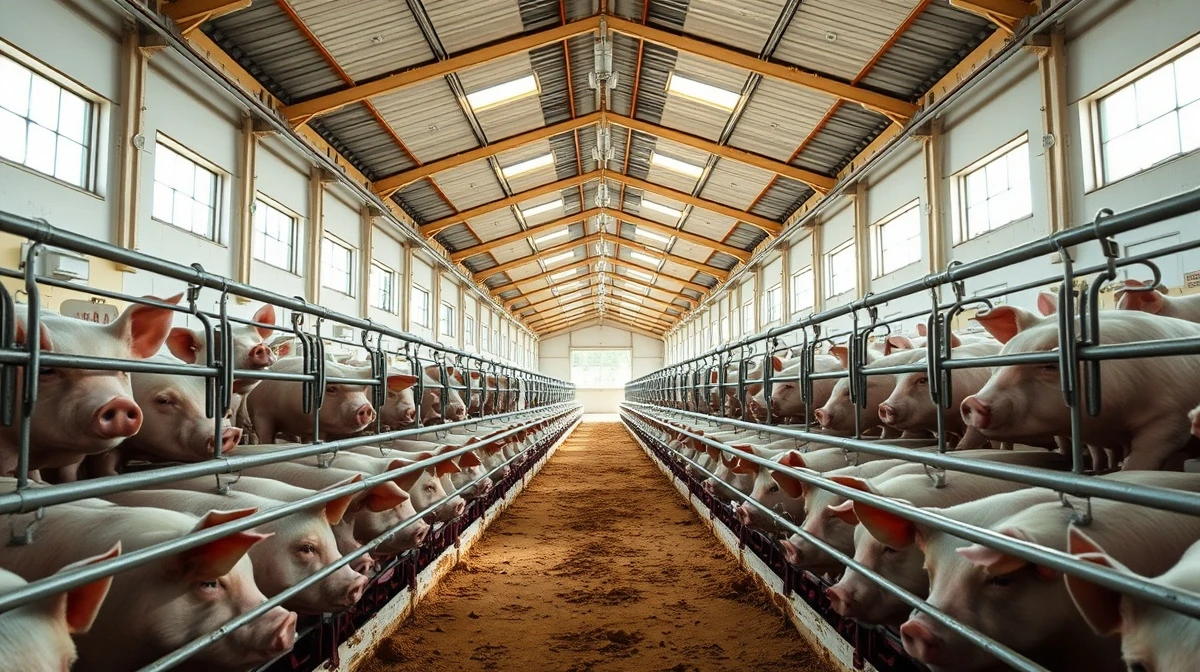
Federally inspected hog slaughter for Wednesday was estimated at 377,000 head, a figure depressed by the blizzard conditions in parts of Iowa. The week-to-date total reached 1.352 million head, which is 113,000 head below the previous week and 108,158 head below the same week last year. The reduction in slaughter volumes is a direct result of adverse weather, which has slowed livestock movement and processing plant operations.
Weather Impact on Supply Chains
The winter storm affecting the Midwest has created short-term disruptions in the hog supply chain. Reduced slaughter capacity can lead to a backlog of market-ready hogs, potentially pressuring cash prices in the near term. However, the immediate effect on futures markets has been negative, as traders weigh slower processing against steady cash prices.
Broader Market Context
The livestock sector has faced multiple headwinds in recent weeks, including tariff-related uncertainties and shifting trade dynamics. While Wednesday’s decline was driven largely by weather, the broader trend for hog futures remains influenced by demand from major export markets, domestic pork consumption patterns, and feed cost volatility.
The USDA’s weekly export sales report, due later this week, will provide additional clarity on international demand. Market participants will also monitor weather forecasts for the remainder of March, as further disruptions could extend the current period of reduced slaughter.
Conclusion
Wednesday’s losses in lean hog futures reflect a market adjusting to weather-related operational challenges rather than a fundamental shift in supply-demand balance. Cash prices remain supportive, and the decline in slaughter volumes is likely temporary. Traders should watch for recovery in processing rates as weather conditions improve, and monitor upcoming USDA data for confirmation of demand trends.
FAQs
Q1: Why did lean hog futures fall on Wednesday?
Futures declined primarily due to a winter blizzard in Iowa that slowed hog slaughter and processing, reducing weekly slaughter totals significantly below both the prior week and year-ago levels.
Q2: How did cash hog prices perform despite the futures decline?
The USDA national average base hog negotiated price rose $2.74 to $91.02 on Wednesday, indicating that cash markets remained firm even as futures weakened on weather-related disruptions.
Q3: What should traders watch for in the coming days?
Traders should monitor weather forecasts for the Midwest, weekly USDA export sales data, and the pace of slaughter recovery. A return to normal processing rates could alleviate the current backlog and stabilize futures.