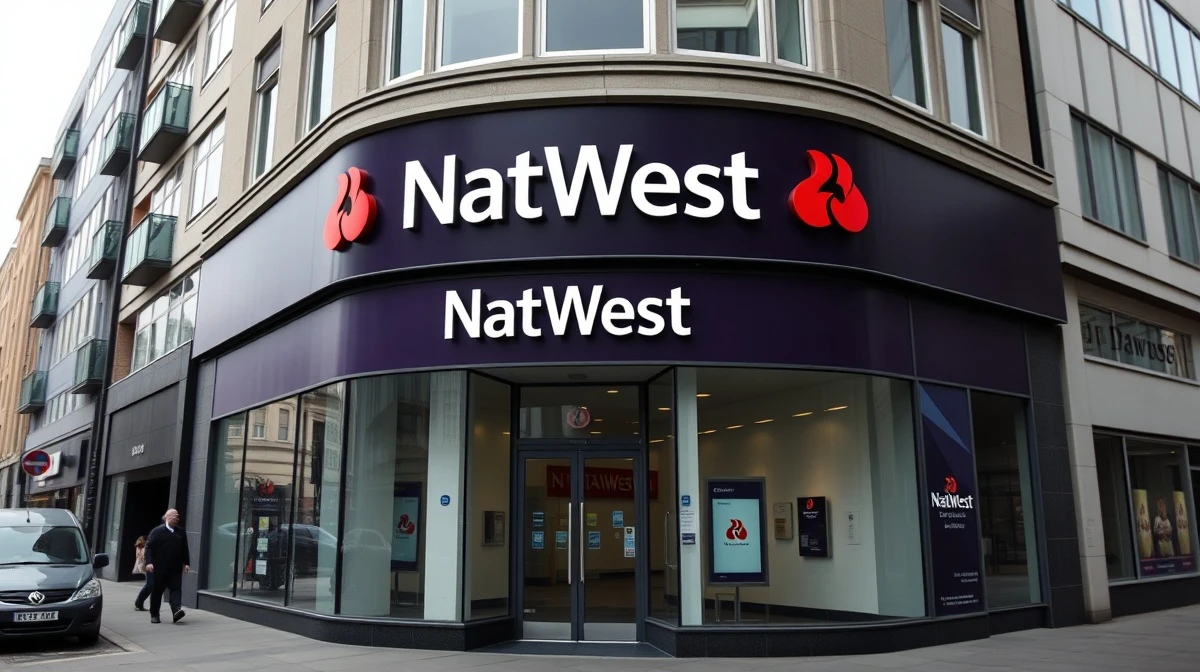
NatWest chief executive Paul Thwaite has pushed back against growing political pressure to raise taxes on UK banks, arguing that additional levies would curb lending and hamper economic growth. His comments come as the sector reports a series of bumper profit figures, reigniting a long-running debate over how much banks should contribute to public finances.
In a recent interview, Thwaite acknowledged the strength of the banking industry’s recent performance but warned that higher taxes would ultimately be counterproductive. “We understand the public scrutiny that comes with strong profits,” he said. “But imposing further taxes on banks would reduce our ability to support customers and businesses, which is not in the country’s economic interest.”
Also read: Taylor Wimpey trims shareholder returns and lowers completion target as housing market stays weak
Record profits intensify the debate
The UK’s largest lenders, including NatWest, Barclays, and Lloyds, have reported resilient earnings over the past year, driven by higher interest rates and resilient consumer spending. NatWest alone posted a pre-tax operating profit of £6.2 billion in 2024, its highest in over a decade. These figures have fueled demands from opposition parties and campaign groups for a windfall tax on the sector, similar to levies imposed on energy companies during the cost-of-living crisis.
Proponents argue that banks have benefited from elevated interest rates, which have widened their net interest margins, and that a share of these windfalls should be redirected to public services. The Labour Party has floated the idea of a “bank bonus tax” or a temporary surcharge on profits, though no formal proposal has been tabled.
Also read: Elon Musk’s X settles legal battle with World Federation of Advertisers, ending GARM dispute
Industry warns of unintended consequences
Banking leaders and industry bodies have cautioned that such measures could backfire. They point to the existing bank surcharge, which was introduced in 2015 and currently stands at 3% on profits above £100 million, on top of the main corporation tax rate of 25%. This means UK banks already face one of the highest effective tax rates in the G7.
Thwaite’s stance echoes that of other executives who argue that a stable and predictable tax regime is essential for long-term investment decisions. “The banking sector is a cornerstone of the UK economy,” he said. “We need a competitive tax environment to attract capital and talent, or we risk losing ground to other financial centres.”
Analysts have also noted that higher taxes could reduce the capital banks have available to lend, potentially tightening credit conditions for households and small businesses. This would run counter to the government’s stated ambition to boost economic growth and investment.
What to watch next
The debate is likely to intensify as the next general election approaches, with parties seeking to position themselves on fiscal responsibility and fairness. The government has so far resisted calls for a bank tax increase, but pressure may grow if profits remain elevated.
For now, the sector appears to have weathered the initial political storm, but the underlying tension between public expectations and industry concerns remains unresolved. Investors and policymakers will be watching closely for any signals from the Treasury or the Bank of England regarding future tax policy.