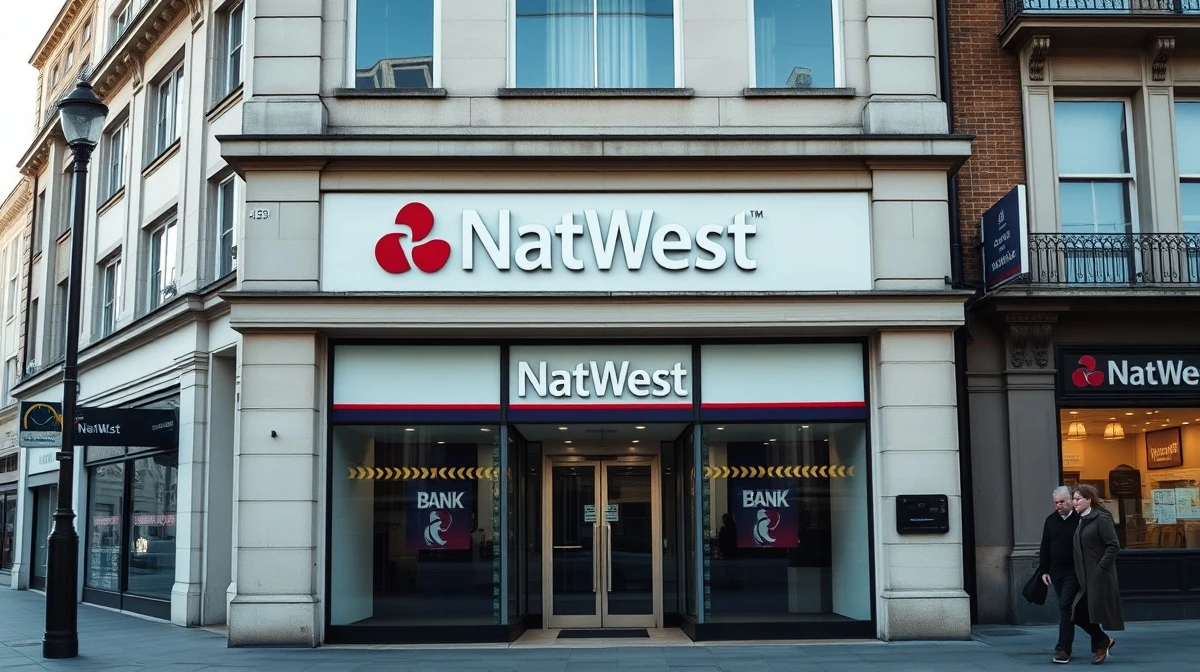
NatWest Group reported second-quarter pre-tax operating profits of £2.3 billion on Friday, comfortably exceeding analyst expectations of around £2 billion. The UK high-street lender’s performance was buoyed by its retail banking and wealth management divisions, sending shares up more than 3% in early London trading.
The bank also raised its full-year income outlook, now expecting total income of approximately £14.6 billion for 2025, up from a previous forecast of £14.3 billion. NatWest cited a resilient UK economy and continued customer growth as key drivers behind the upgrade.
Also read: Why VC-backed founders commit fraud: new research points to investor pressure
Retail and wealth units lead the charge
NatWest’s retail banking division saw operating profits rise 12% year-on-year to £1.1 billion, helped by higher mortgage lending and a steady stream of new current account customers. The wealth management arm, which includes Coutts and NatWest Investments, reported a 9% increase in profits to £210 million, benefiting from rising assets under management and increased client activity.
Chief Executive Paul Thwaite said the results reflected the bank’s “continued momentum” across its core businesses, adding that customer confidence was improving despite lingering cost-of-living pressures. “We are seeing healthy demand for our products and services, particularly in savings and wealth management,” Thwaite said in a statement.
Also read: GM and Ford Are Quietly Pivoting Away From EVs — the Earnings Call Data Shows How
The bank’s net interest margin — a key measure of profitability for lenders — held steady at 2.15%, in line with market expectations. NatWest also confirmed its interim dividend of 6.5 pence per share, up from 5.5 pence a year earlier.
What this means for the UK banking sector
NatWest’s results come at a time when UK banks are addressing a complex interest rate environment. The Bank of England has held rates at 4.75% since February, and markets are pricing in a possible cut later this year. Higher-for-longer rates have generally benefited lenders, but competition for deposits and mortgage market pressures are squeezing margins across the sector.
Analysts at Jefferies said NatWest’s beat was “broad-based and reassuring,” particularly given recent concerns about UK consumer debt levels. The bank’s impairment charges for bad loans came in at £95 million, lower than the £120 million analysts had expected, suggesting credit quality remains resilient.
However, some observers caution that the bank’s reliance on retail banking leaves it exposed to any downturn in the UK housing market. House prices have remained flat in recent months, and mortgage approvals have slowed, though NatWest said its mortgage pipeline remains healthy.
Outlook and what to watch
Looking ahead, NatWest’s management expressed cautious optimism about the second half of the year. The bank expects to complete its share buyback programme of £1.5 billion by the end of the third quarter, and Thwaite hinted at further capital returns to shareholders if conditions remain favourable.
Investors will now turn their attention to the upcoming results of rivals Lloyds Banking Group and Barclays, due later this month, to gauge whether NatWest’s performance is indicative of broader sector strength. The UK’s big four lenders have all benefited from rising interest rates, but the competitive space is intensifying as new digital banks like Monzo and Starling continue to gain market share.
NatWest’s stock has risen nearly 20% over the past 12 months, outperforming the FTSE 100. The bank remains majority-owned by the UK government, which still holds a 16% stake following its bailout during the 2008 financial crisis. The Treasury has been gradually selling down its holding, and further disposals are expected over the coming year.