
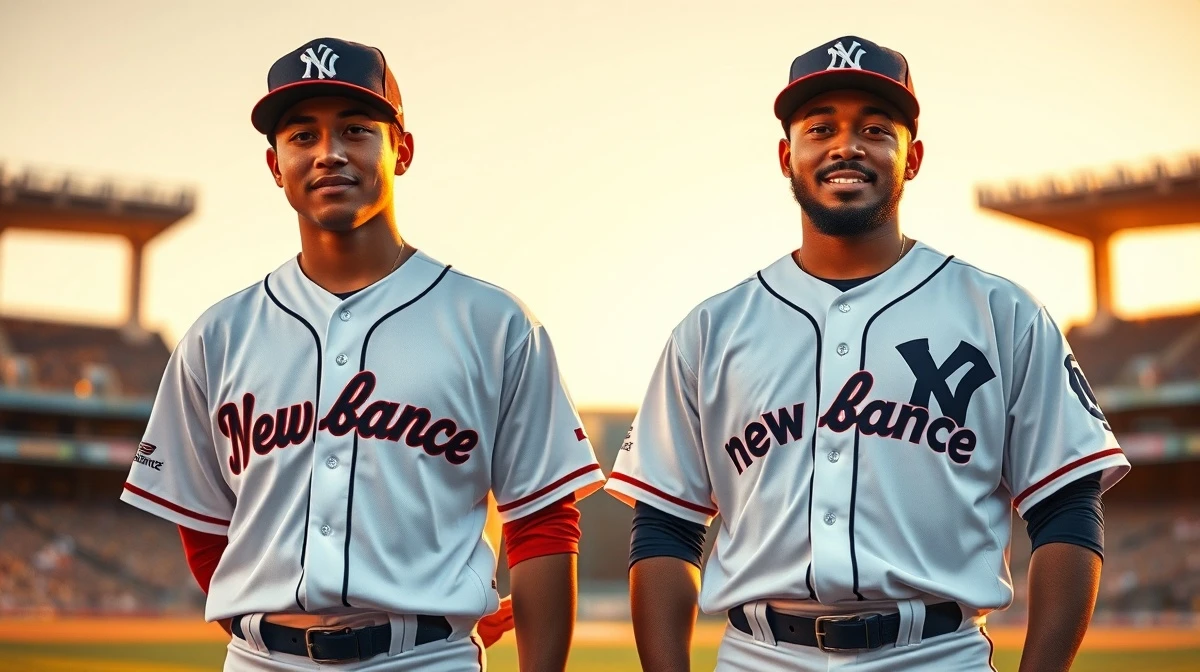
New Balance has quietly transformed into one of the most influential brands in Major League Baseball, and the strategy behind that rise is not centered on flashy marketing or aggressive logo placement. Instead, the Boston-based footwear and apparel company has built its baseball dominance around a family-oriented approach, anchored by marquee endorsements from two of the sport’s biggest stars: Shohei Ohtani and Francisco Lindor.
Building a Baseball Identity Through Personal Connection
Unlike competitors who often rely on broad, celebrity-driven campaigns, New Balance has focused on long-term relationships with athletes who embody stability, performance, and authenticity. The company’s baseball division, once a relatively small player in a market dominated by Nike and Adidas, began gaining traction by signing athletes who valued consistency over short-term payouts.
Also read: Thailand’s AI Momentum Faces a 2027 Slowdown, HSBC Warns
Francisco Lindor, the New York Mets shortstop, became a cornerstone of this strategy when he signed a multiyear endorsement deal with New Balance early in his career. Lindor, known for his infectious energy and family-first public persona, aligned naturally with the brand’s messaging. The partnership has evolved beyond simple product placement into collaborative design efforts, including signature cleats and apparel lines that reflect Lindor’s Puerto Rican heritage and personal style.
Shohei Ohtani’s arrival elevated the brand to an entirely different level. When Ohtani signed with New Balance in 2023, it was not merely a sponsorship — it was a statement. Ohtani, widely regarded as the most talented player in baseball history, chose New Balance over larger competitors. Industry insiders noted that Ohtani’s decision was heavily influenced by the brand’s willingness to respect his privacy, support his family, and allow him creative input into his gear. The result has been a partnership that feels organic rather than transactional.
Also read: Crude Oil Bounces on Hormuz Scare, Rally Fails to Convince
The Family-Oriented Marketing Philosophy
New Balance’s approach stands out in an industry often criticized for exploiting athlete personas for profit. The company’s marketing materials for both Ohtani and Lindor frequently feature their families, community involvement, and personal narratives rather than just on-field highlights. This strategy resonates with a broader consumer base, particularly parents and younger athletes who value authenticity over hype.
According to multiple industry reports, New Balance’s baseball apparel and footwear sales have grown steadily since 2020, with double-digit percentage increases in categories tied to Ohtani and Lindor merchandise. The brand has also expanded its presence in youth baseball, sponsoring amateur tournaments and camps that emphasize skill development and sportsmanship — further reinforcing the family-friendly image.
This focus on family and community has helped New Balance differentiate itself in a crowded market. While competitors often chase viral moments and social media trends, New Balance invests in storytelling that builds emotional connections over time. The result is a loyal customer base that sees the brand as more than just equipment — it is a partner in the baseball journey.
Implications for the Sports Apparel Market
The success of New Balance’s baseball strategy offers lessons for the broader sports marketing industry. In an era where athlete endorsements can feel fleeting and transactional, brands that prioritize genuine relationships and shared values may see stronger long-term returns. New Balance’s model suggests that authenticity, patience, and a focus on family can outperform aggressive, short-term marketing tactics.
For baseball fans, the shift means more personalized and culturally relevant gear. Both Ohtani and Lindor have been actively involved in designing products that reflect their identities — from Ohtani’s minimalist, performance-focused cleats to Lindor’s vibrant, heritage-inspired collections. This level of athlete input is becoming increasingly important in a market where consumers demand products that feel personal and meaningful.
Conclusion
New Balance’s rise as a baseball powerhouse is not accidental. By centering its strategy around family, authenticity, and long-term athlete relationships — embodied by stars like Shohei Ohtani and Francisco Lindor — the brand has carved out a distinct and respected position in the sport. As the lines between athletic performance and personal identity continue to blur, New Balance’s approach may well become the blueprint for how brands build lasting influence in professional sports.
FAQs
Q1: Why did Shohei Ohtani choose New Balance over Nike or Adidas?
Ohtani reportedly valued New Balance’s willingness to respect his privacy, support his family, and give him creative input into product design. The brand’s family-oriented approach aligned with his personal values.
Q2: How has Francisco Lindor’s partnership with New Balance evolved?
Lindor’s deal has grown from a standard endorsement into a collaborative design partnership, including signature cleats and apparel that celebrate his Puerto Rican heritage and personal style.
Q3: Is New Balance’s family-focused marketing strategy effective?
Yes. Industry reports show steady double-digit sales growth in baseball categories since 2020, and the brand has expanded its presence in youth baseball, reinforcing its family-friendly image.

