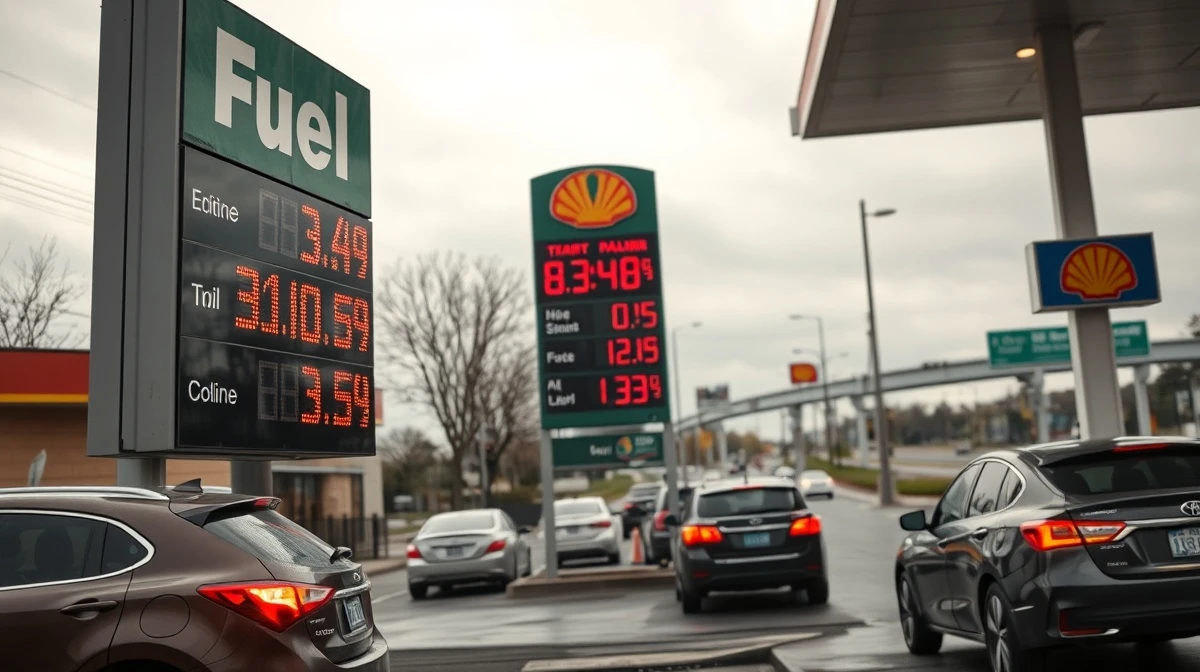
Inflation continued its upward trajectory in April, with new data showing a notable acceleration driven largely by rising energy prices linked to the ongoing conflict with Iran. The latest figures underscore how geopolitical instability is feeding directly into consumer costs, raising fresh concerns for households and policymakers alike.
Energy Prices Fuel the Latest Spike
The primary driver of April’s inflation increase was a sharp rise in global oil and natural gas prices. Military actions and supply disruptions in the Middle East, particularly related to the Iran conflict, have tightened energy markets. This has translated into higher costs at the pump and increased utility bills for consumers across multiple regions. Analysts note that the pass-through from wholesale energy to retail prices has been faster than in previous quarters, amplifying the immediate impact on household budgets.
Also read: Trump Prepares for Beijing Summit With Xi as AI Chip Sales and Farm Goods Lead Agenda
Broader Economic Implications
Beyond energy, the inflationary pressure is beginning to ripple into other sectors. Transportation costs have risen, affecting the price of goods from food to manufactured items. Central banks now face a difficult balancing act: tightening monetary policy to curb inflation without stalling economic growth. The April data complicates the outlook for interest rate decisions in the coming months, as policymakers weigh the risks of sustained price increases against the potential for a recession.
What This Means for Consumers
For everyday consumers, the April inflation report translates into tangible financial strain. Grocery bills are climbing as higher fuel costs raise the price of shipping and production. Rent and housing costs, already elevated, show little sign of easing. Financial advisors recommend that households review their budgets and consider locking in fixed-rate loans where possible to hedge against further rate hikes. The situation remains fluid, and the trajectory of inflation will depend heavily on how the geopolitical situation evolves.
Also read: Amazon’s 30-Minute Delivery Ambition Reshapes the E-Commerce Speed Race
Conclusion
The April inflation data marks a significant development in the global economic field, with the Iran conflict acting as a catalyst for renewed price pressures. While energy costs are the immediate culprit, the broader impact on supply chains and consumer confidence suggests that the effects will be felt for some time. Policymakers and consumers alike must prepare for a period of elevated uncertainty, with the path forward hinging on diplomatic and military developments in the Middle East.
FAQs
Q1: Why did inflation rise in April 2026?
The primary cause was a sharp increase in global energy prices due to the ongoing conflict with Iran, which disrupted oil and gas supplies and raised transportation costs.
Q2: How does the Iran war affect energy prices?
Military actions and sanctions related to the conflict have reduced the flow of oil from the Middle East, creating supply shortages that drive up global prices for crude oil and natural gas.
Q3: What can consumers do to manage rising costs?
Consumers can review household budgets, reduce discretionary spending, consider energy-saving measures, and consult financial advisors about fixed-rate loans or other hedges against inflation.