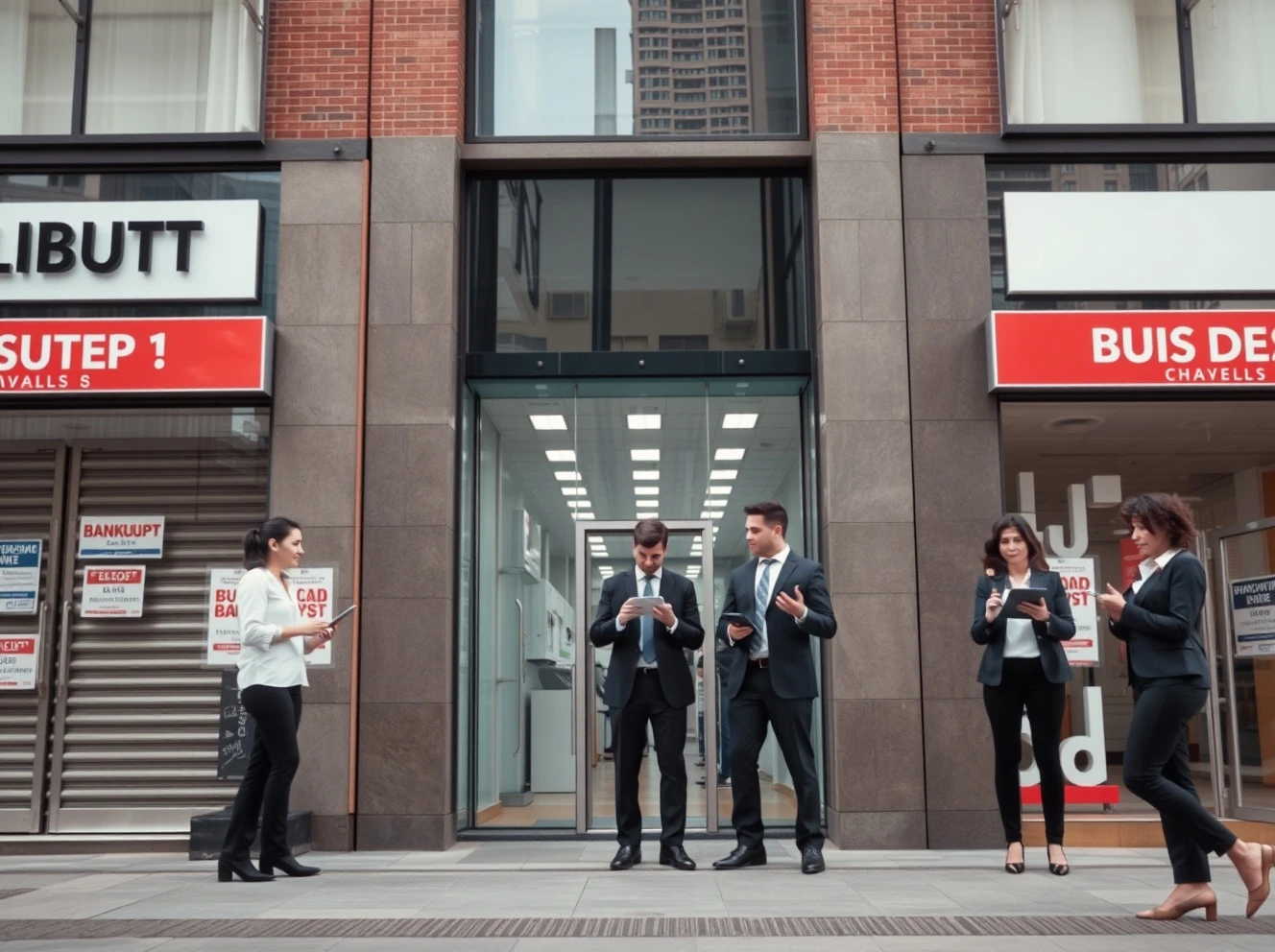
The retail market undergoes dramatic transformation following recent high-profile retail bankruptcies. Major players Joann and Party City filed for bankruptcy protection, creating significant market shifts. Consequently, a new competitor emerges to fill the void. This development signals potential recovery in the struggling retail sector.
Understanding Recent Retail Bankruptcies
Recent retail bankruptcies shocked industry observers. Joann, the crafting supplies giant, sought Chapter 11 protection after months of financial struggle. Similarly, Party City faced overwhelming debt and changing consumer preferences. These retail bankruptcies reflect broader industry challenges including:
Also read: WTI crude oil climbs to near two-week high on US-Iran tensions and EIA stockpile draw
- E-commerce competition from online retailers
- Changing consumer spending patterns post-pandemic
- Supply chain disruptions affecting inventory management
- Rising operational costs impacting profitability
Market Impact of Major Retail Bankruptcies
The retail bankruptcies created immediate market reactions. Commercial real estate vacancies increased significantly. Furthermore, thousands of employees faced job uncertainty. Suppliers experienced payment delays and contract renegotiations. However, these retail bankruptcies also created unexpected opportunities for competitors.
New Player Enters Transformed Market
A strategic new entrant now capitalizes on market conditions. This company leverages lessons from recent retail bankruptcies. They implement innovative business models avoiding previous mistakes. Their approach includes:
Also read: UOB projects slower 2Q26 growth for China amid headwinds
- Hybrid retail strategy combining physical and digital presence
- Lean inventory management reducing overhead costs
- Enhanced customer experience driving loyalty
- Strategic location selection based on demographic analysis
Industry Response to Changing Market
Industry analysts monitor these developments closely. The retail bankruptcies prompted widespread operational reviews. Many companies now reassess their financial structures. Additionally, investors show renewed interest in resilient retail models. This shift indicates potential sector recovery despite recent challenges.
Future Outlook Post-Retail Bankruptcies
The market shows promising signs of adaptation. New technologies help prevent future retail bankruptcies. Artificial intelligence improves demand forecasting. Meanwhile, data analytics optimize store performance. These advancements suggest reduced bankruptcy risks moving forward.
Consumer Impact and Market Opportunities
Consumers benefit from increased competition. The new market player offers innovative services. They provide enhanced product selection and competitive pricing. Consequently, customer satisfaction improves across the sector. This positive development follows concerning retail bankruptcies.
Frequently Asked Questions (FAQs)
What caused the recent retail bankruptcies?
Multiple factors contributed including increased online competition, changing consumer habits, supply chain issues, and rising operational costs that impacted profitability.
How many stores closed due to these bankruptcies?
While exact numbers vary, both companies closed hundreds of locations collectively as part of their restructuring efforts and operational optimization.
What opportunities emerge from retail bankruptcies?
Market gaps create opportunities for new entrants, commercial real estate becomes available at competitive rates, and consumer demand shifts to remaining competitors.
How can future retail bankruptcies be prevented?
Companies can implement better financial management, adopt hybrid business models, use technology for efficiency, and maintain flexible operational structures.
What impact do retail bankruptcies have on employees?
Employees typically face job uncertainty during restructuring, though many find positions with new market entrants or competing retailers expanding operations.
Are more retail bankruptcies expected in 2024?
Industry analysts predict continued consolidation but at a slower pace as companies adapt to new market conditions and consumer behaviors stabilize.