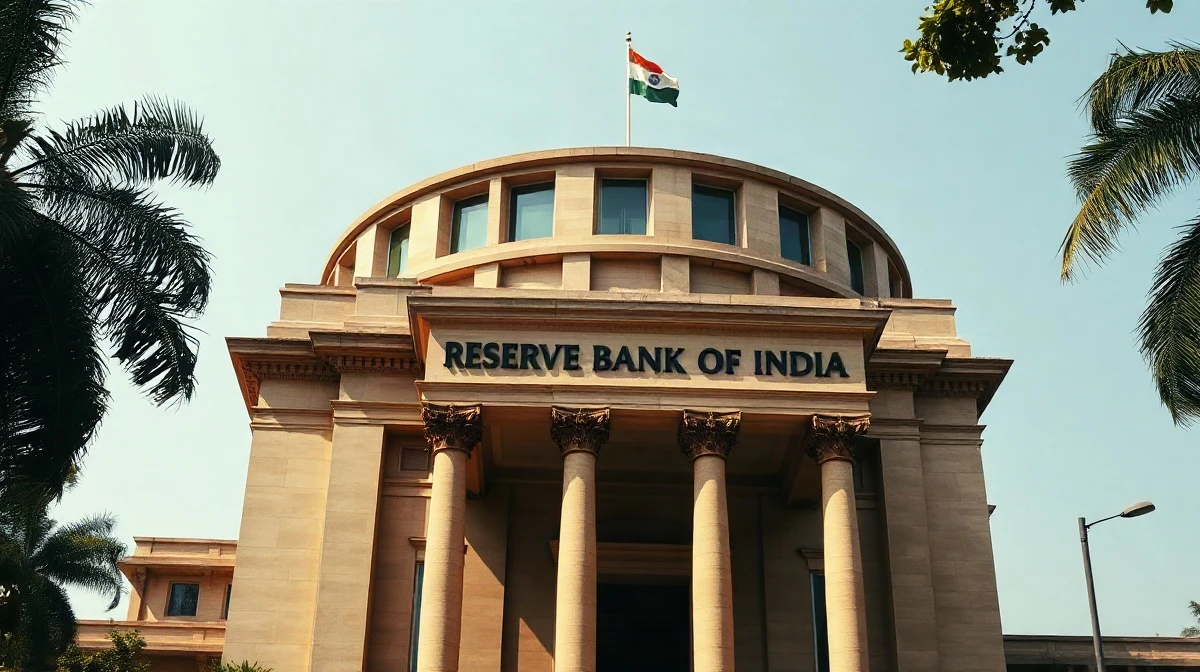
Standard Chartered strategists Anubhuti Sahay and Saurav Anand project the Reserve Bank of India (RBI) will deliver a total of 50 basis points of repo rate hikes in FY27, split evenly between October and December 2026. The forecast, outlined in a client note, points to resilient domestic activity and the hawkish tone of the August Monetary Policy Committee (MPC) minutes as the key catalysts for tightening.
The view contrasts with market pricing that had largely expected a more gradual or delayed normalization. With the repo rate currently at 5.50%, two 25 bps moves would bring it to 6.00% by end of calendar 2026.
Also read: Bessent: Yen Moves 'Pretty Well Contained,' No Disorderly Action Seen
What’s Driving the RBI’s Hawkish Stance
The August MPC minutes, released earlier this month, revealed a committee increasingly focused on inflation risks even as growth remains above trend. Members highlighted concerns over food price volatility and core inflation stickiness, signaling that the bar for cutting rates remains high.
Standard Chartered’s analysts argue that the RBI’s reaction function has shifted from a purely growth-supportive stance to one that balances price stability with financial stability. “The MPC’s language suggests they are prepared to act preemptively if inflation expectations become unanchored,” the note said, though the strategists stopped short of predicting a more aggressive cycle.
Also read: EUR/USD Holds Near 1.1590 as Hawkish Fed Stance Caps Euro Gains
India’s economy expanded at a solid pace in the first quarter of FY27, with GDP growth coming in at 7.2% year-on-year, supported by strong manufacturing and services activity. That resilience gives the central bank room to normalize policy without derailing the recovery.
Implications for the Rupee and Bond Markets
For the Indian Rupee, a shallow but steady hiking cycle could provide a modest tailwind. Higher interest rate differentials with the US, assuming the Federal Reserve holds rates steady through late 2026, may attract portfolio inflows into Indian debt. The rupee has traded in a narrow band against the dollar this year, with the RBI actively managing volatility.
Bond yields, however, may react less dramatically. The 10-year Indian government bond yield has already priced in a significant portion of the expected tightening, according to traders. A 50 bps cumulative hike is unlikely to trigger a sharp selloff unless accompanied by a surprise in the October policy statement.
Market participants will also watch for any shift in the RBI’s liquidity management. The central bank has used variable rate reverse repo operations to absorb excess liquidity, and a rate hike would complement these measures in tightening financial conditions.
What to Watch Next
The October MPC meeting, scheduled for early October 2026, will be the first test of Standard Chartered’s forecast. Key data points ahead of that meeting include August CPI inflation, due in mid-September, and monsoon progress, which affects food prices.
Economists remain divided on the pace of tightening. Some argue that a single 25 bps hike in December would suffice if inflation moderates, while others see risks of a 75 bps total if the monsoon underperforms. Standard Chartered’s view sits in the middle, reflecting a balance between growth resilience and inflation vigilance.
For now, the rupee’s trajectory will hinge on global cues, particularly US inflation data and the Fed’s September meeting. Any shift in the dollar’s strength could overshadow domestic rate expectations.
This article is for informational purposes only and does not constitute financial advice. Currency and interest rate markets are volatile and subject to rapid changes; readers should conduct their own research before making investment decisions.