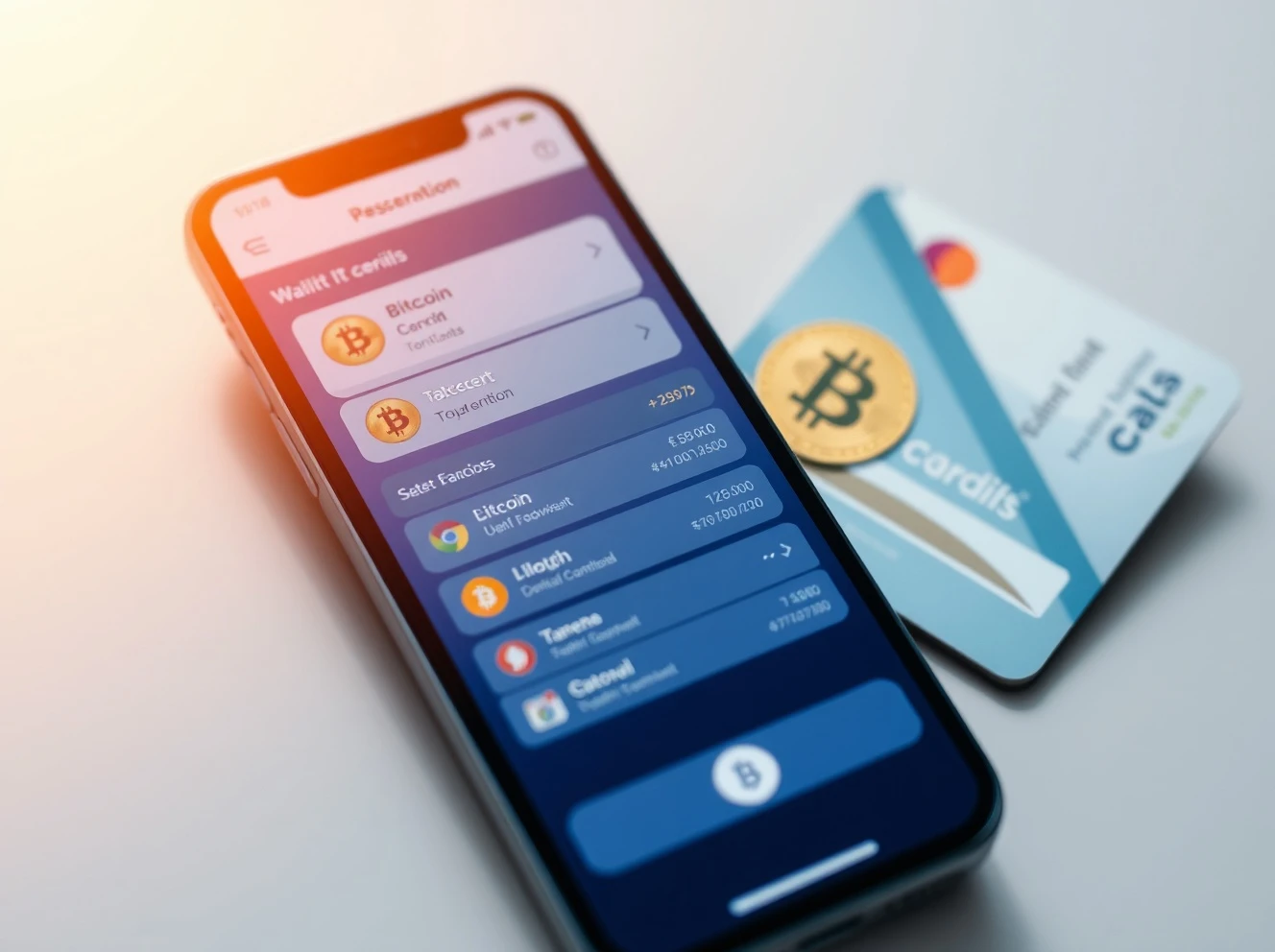
Jack Dorsey’s Block has launched a innovative bitcoin payment wallet that could transform how small businesses handle digital payments. This innovative solution directly challenges traditional credit card networks while offering exceptional fee advantages.
Block’s Bitcoin Payment Wallet Revolution
Block, formerly Square, introduces a revolutionary bitcoin payment wallet for US retailers. Consequently, businesses can now automatically convert daily revenue into bitcoin. Moreover, the service features zero transaction fees until 2027. This strategic move positions bitcoin as a viable payment alternative.
Also read: Defense tech is flooded with money, but who’s built to last?
Key Features of the Bitcoin Payment System
The new bitcoin payment wallet offers several compelling features:
- Automatic conversion of daily card revenue into bitcoin
- Zero transaction fees until January 2027
- Direct bitcoin acceptance starting November 10
- Up to 50% conversion of daily sales into cryptocurrency
Dorsey’s Vision for Bitcoin Payments
Jack Dorsey describes the bitcoin payment wallet as essential for economic resilience. Furthermore, he emphasizes bitcoin’s role as an inflation hedge. “Businesses can automatically convert revenue into bitcoin,” Dorsey explained. “This provides protection against economic uncertainty.”
Also read: Cruise Giants Face $440M Liability After Supreme Court Rules on Seized Cuban Property
Challenging Credit Card Networks
The bitcoin payment wallet directly competes with traditional payment systems. Additionally, it addresses merchant frustrations with high credit card fees. Dorsey criticized existing networks for limited merchant benefits. Meanwhile, bitcoin offers lower transaction costs and greater transparency.
Implementation Timeline and Availability
Block rolls out the bitcoin payment wallet in phases. Initially, the service launches across most US states. However, New York remains excluded due to regulatory constraints. The company plans nationwide expansion following regulatory approvals.
Market Response and Financial Impact
Investors responded positively to the bitcoin payment wallet announcement. Block’s shares increased 2.6% following the reveal. This growth reflects market confidence in cryptocurrency integration. Moreover, it signals broader acceptance of digital asset solutions.
Frequently Asked Questions
What is Block’s new bitcoin payment wallet?
Block’s bitcoin payment wallet enables businesses to accept and convert payments into bitcoin automatically. It provides an alternative to traditional card payment systems.
When do transaction fees begin?
The bitcoin payment wallet maintains zero fees until January 2027. After this date, Block will implement a 1% processing fee per transaction.
Which businesses can use this service?
Currently, the bitcoin payment wallet serves US-based Square merchants. However, New York businesses cannot access the service due to state regulations.
How does bitcoin benefit small businesses?
The bitcoin payment wallet offers lower transaction costs than credit cards. It also provides potential value appreciation and inflation protection.
What conversion limits apply?
Businesses can convert up to 50% of daily sales into bitcoin through the payment wallet. This limit helps manage volatility exposure.
Will Block expand internationally?
Block initially focuses on US markets for the bitcoin payment wallet. International expansion depends on regulatory developments and market demand.